
 E-Paper



Can convalescent plasma therapy help treat the coronavirus disease?
This treatment has a paucity of evidence, but it is not because the plasma method was tried and failed, but because doctors are waiting for the concrete evidence to emerge.

 Prefer HTon Google


The coronavirus pandemic (Covid-19) has spread across the world with no solution in immediate sight. The first case was reported on December 30, 2019, in China, but until now, no country in the world has been able to develop any vaccine that prevents the disease, or anti-viral drug that cures it. There is, however, an inexpensive and readily-available antiviral agent that has got little attention: The virus-neutralising antibody found in people having fully recovered from SARS-CoV2 infection.
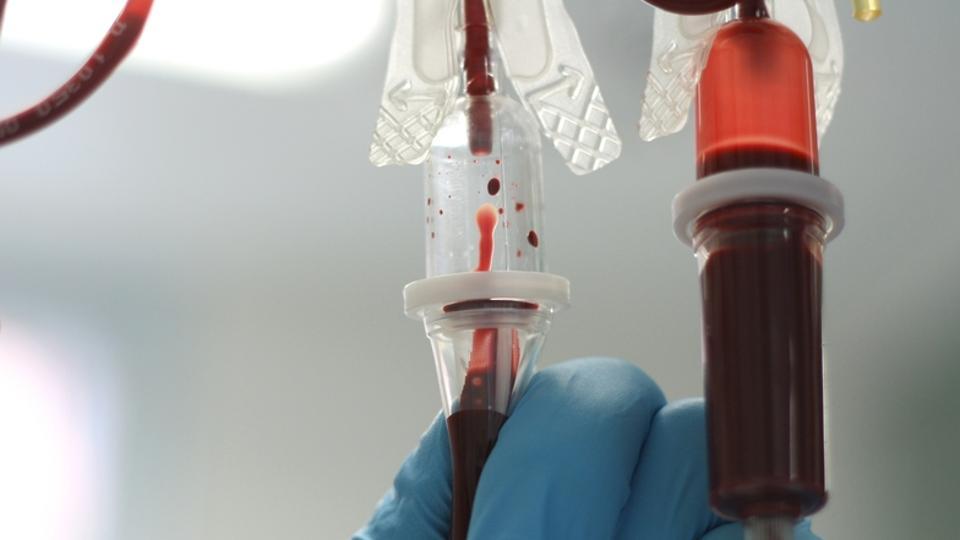
To give a bit of background, the human blood contains a yellow fluid known as plasma in which the red and white cells are suspended. The plasma contains albumin, globulins and hundreds of other proteins that are essential for physiologic functions of the body. Those deficient in these proteins undergo plasma replacement, which is not uncommon any more. The process requires a plasmapheresis machine, which takes blood from the donor (healthy and free of HIV and hepatitis B and C viruses) and, after extracting the plasma, returns the rest of the blood cells to her body. The extracted plasma is then frozen in the blood bank for later use – such as in the case of haemophilia, a well-known bleeding disorder with a deficient protein, Factor VIII. The disorder requires plasma infusion into the body, a standard treatment for haemophilia until purified Factor VIII became commercially available. Besides, there are many “autoimmune” disorders affecting multiple organs that require “immunoglobulins” derived from plasma.
Blood also contains red blood cells, which has different antigens in different people and act as a marker of the blood groups. For transfusion, blood is matched for compatibility, which, in case of mismatch, can result in a fatal transfusion reaction. But devoid of cells, plasma is safe from transfusion reaction.
Plasma-derived immunoglobulins are commonly used to prevent serious viral infections. To treat dog bite, for instance, anti-rabies immunoglobulin is the first medical treatment administered after first aid. Or the needle-stick injury in hospitals that carries the risk for hepatitis B virus infection, hepatitis B immunoglobulin from antibody-positive donors is the first treatment. In both instances, antibodies neutralise the virus that has just entered the body through the dog-bite or needle-stick injury. When exposed to measles or chicken-pox, immunoglobulins derived from persons with antibodies is the standard treatment to protect children undergoing cancer chemotherapy.
Covid-19 is particularly dangerous for senior citizens, as they have a relatively weak immune system, and younger people with chronic lung disease, a heart condition, hypertension, diabetes, and those on therapies that affect the immune system. Critical Covid-19 pneumonia affects both the lungs simultaneously, leading to severe oxygen deficiency (hypoxemia), affecting body organs and tissues. If not corrected immediately, this may result in death. Hypoxemia’s treatment requires putting the patient on a mechanical ventilator under the intensive care unit. But in spite of aggressive oxygen therapy, many patients die.
So, to come to the original question, why do physicians not employ or recommend the potentially life-saving therapy using antibody-containing plasma to treat the Covid-19 pneumonia? Because the world over, physicians are taught to practice “evidence-based medicine”. This treatment has a paucity of evidence, but it is not because the plasma method was tried and failed, but because doctors are waiting for the concrete evidence to emerge.
The evidence, however, can emerge from the cumulative experience of plasma therapy, or, simply, research studies. In an emergency situation, the wiser approach is to employ the empirical application on a number of severely-ill patients not recovering with aggressive oxygen therapy. The data accumulated will give statisticians the opportunity to derive evidence of efficacy, if that is truly the case.
Research, on the other hand, will entail a drug trial involving a treatment arm and a control arm, both given standard treatment with ventilators. The cases have to be randomised into two groups, one given plasma therapy, and the other placebo. After the trial is over, the treatment’s efficacy can be quantified by statistical comparison of outcomes in both the arms.
One wonders if the research approach is a wise idea in the current context, since the convalescent plasma is known to contain ant-viral immunoglobulins and are reasonably safe. We don’t have any reason to justify its denial to a control group only because the dice of randomisation fell against their favour while others are offered the plasma.
Chinese physicians have published two reports of convalescent plasma therapy in very severe cases of Covid-19 pneumonia cases on ventilators: Five patients in one report, and 10 in the other. All the 15 showed rapid improvement. The fever came down and viral loads decreased.
We urge physicians working in Covid-19 hospitals to gain experience in plasma therapy, with careful observation and documentation of all details. In the case of plasma therapy for other conditions, adverse reactions have rarely been reported, but for the very ill Covid-19 patients not recovering despite administering aggressive standard treatment, the benefit far outweighs the risk.
This approach requires testing for Immunoglobulin G, or IgG, antibodies against SARS-CoV2 in recovered convalescent persons and healthy ones in the community with previous Covid-19 infections. For every positive case, four to five persons would be silently infected. Health authorities must design antibody surveys with the dual purpose of identifying antibody-positive individuals: One, this will enable them to safely return to work; and, two, if healthy and willing, they could donate plasma.
Dr T Jacob John is retired professor and head, department of clinical virology and Dr MS Seshadri is retired professor and head, department of endocrinology at Christian Medical College, Vellore
The views expressed are personal


