
 E-Paper



Folk singer Ila Arun brings Ibsen’s play, Ghosts, to Rajasthan


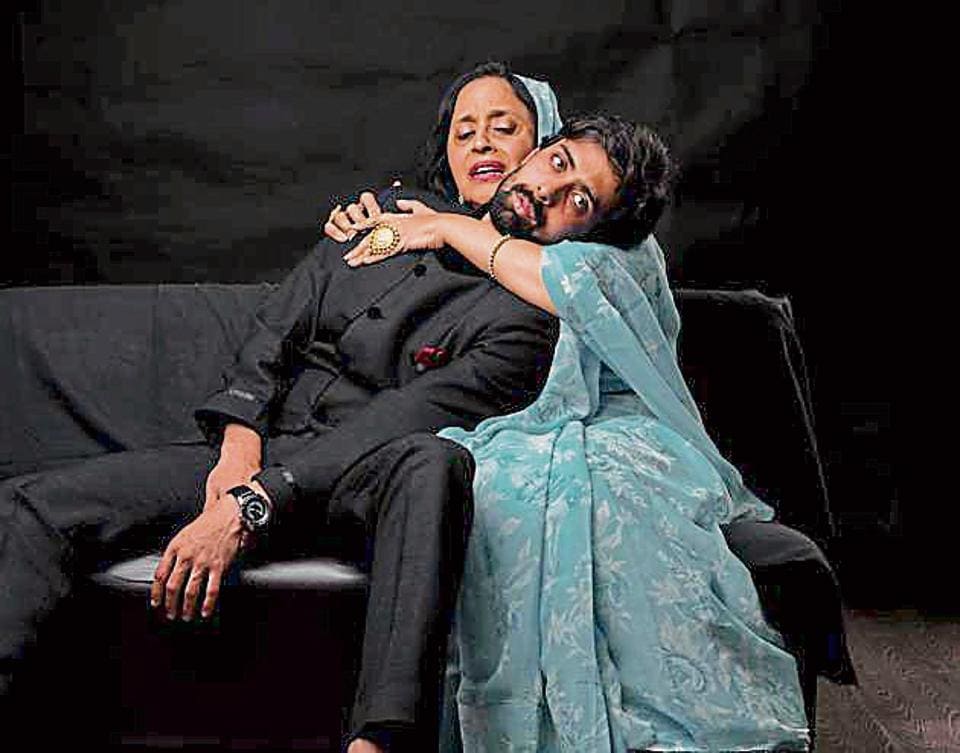
Arun says she is moved by how relevant the Norwegian playwright’s works are in today’s India, particularly his plays on women and their oppression.
WHAT: Peechha Karti Parchhiyan
WHERE: Aspee Auditorium, Laxminarayan Mandir Complex, Marve Road, Malad (West)
WHEN: April 2, 8.30 pm
COST: Ticket prices start at Rs 300; tickets available online
“I did not know much about Henrik Ibsen’s work till 2010, when I was asked to stage one of his plays at the DADA Ibsen International Festival in Delhi. Then I started reading him and was absolutely fascinated,” says Ila Arun, who has written Peechha Karti Parchhiyan, an adaptation of the Norwegian playwright’s 1881 play Ghosts. The play comes to Mumbai after shows in Delhi and Kolkata.
Arun says that she was moved by how relevant Ibsen’s works were in today’s India. “His plays are a fantastic vehicle to reach out to the urban and the rural population. I was particularly moved by the plays that talk about women and their oppression. Given that in our country we still have things like rampant female foeticide, his words just connected,” she says.
Read: I always look forward to performing in Delhi, says Ila Arun
Arun’s first Ibsen play was Maricheeka (Mirage), an adaptation of Lady from the Sea, which showed at the Ibsen Festival in Delhi. The idea of the mirage connected to women too. “Women are driven by the sight of water to only find a desert at the end,” she says.
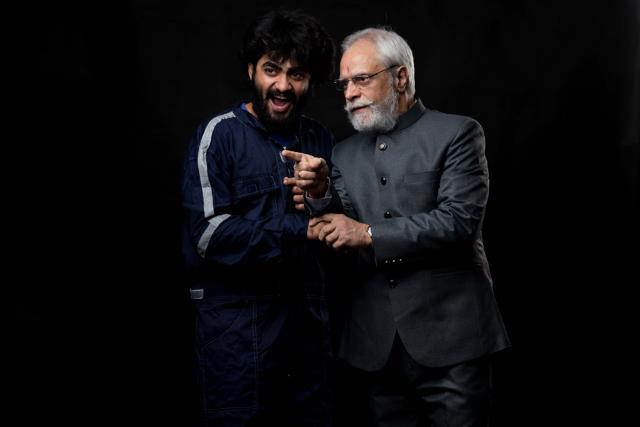
Peechha Karti Parchhiyan is set in Rajasthan, a land the folk singer knows well. The story involves a tussle between tradition and modernity. “The play is about the ghosts from the past that influence your life,” Arun says. “Royalty is now history but the protagonist’s family lives with its memories.” Theatre is harder than folk music performances, Arun finds.
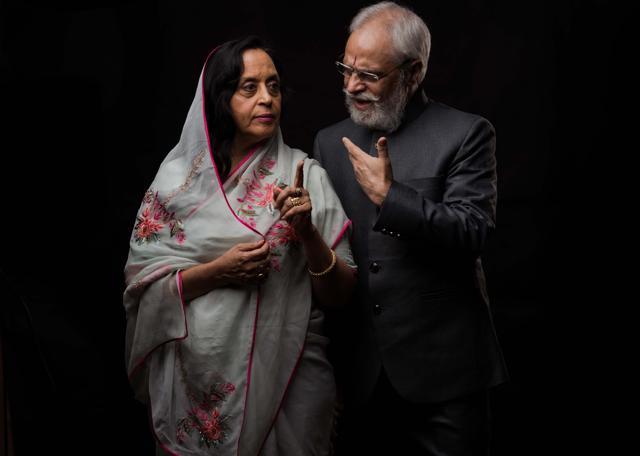
“My musical shows are sold out weeks before the show but it is difficult to convince people to go for plays like this. But people who have come have wanted to come back. The previous show in Kolkata got terrific response,” she says.
She wants to take Ibsen’s stories to different parts of India. “Once, after the staging of Maricheeka, some women came and said they wanted to meet Ibsenji. It seemed wonderful to think that he comes across as someone so contemporary,” she says.


