Sign in

Of layers and surfaces: Art woven in warp and weft

Updated on: Nov 28, 2015, 13:01:45 IST
Hindustan Times | By
Share
Share via
  • facebook
  • twitter
  • linkedin
  • whatsapp
Copy link
  • copy link
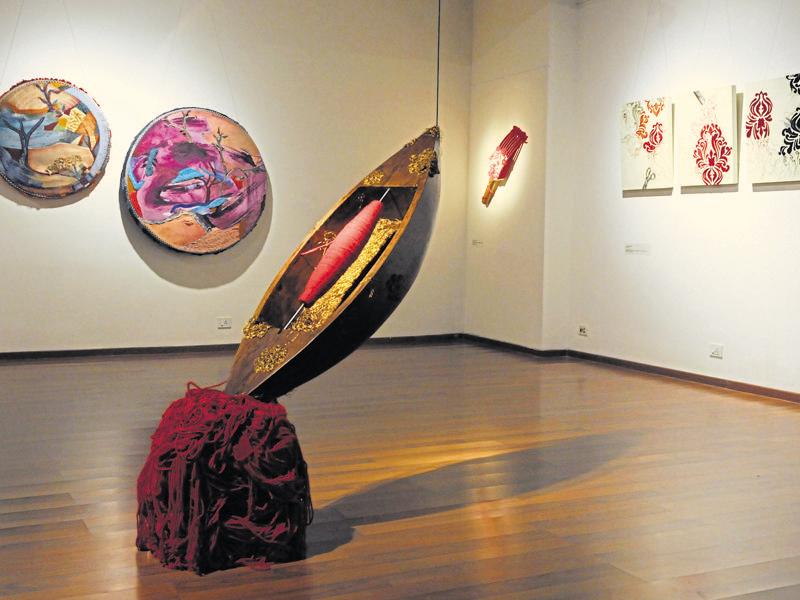
Shivani Aggarwal’s carved wood ‘Shuttle’. Shuttles are a common tool in the weaving industry. Behind it, on the left, is Sahaya Sharma’s ‘Cherry Blossom Storm’ and ‘3 Wise Men’ made using chikankari, binding, braiding, bath mat tufting and chromojet printing. (Saumya Khandelwal / Hindustan Times)

Fibre Fables, which features collaborations between 11 artists and 40 weavers, showcases the beauty of our sadly endangered weaving traditions.

Weaver Raman Goswami works at the Panipat factory of the Raj Group, a leading manufacturer of high-end rugs and carpets. Dressed in a crisp grey suit, a beaming Raman points out one of his art collaborations displayed at The Stainless gallery in Okhla. Artist Puneet Kaushik, who conceptualised ‘The Garbh: Layers and the Surface’ executed on canvas tufted in red metallic cord, cotton and wool fibre, says the installation that encompasses the viewer represents both an element of the self and of the universe. “I was told it represents the womb of a mother,” Raman says. Other weavers at the ongoing Fibre Fables exhibition — the result of a year-long collaboration between 11 artists and about 40 weavers — also educate inquisitive visitors about their contribution.

Many of the exhibits are breathtaking and represent the magic that can ensue when there’s a genuine coming together of the sensibilities of the trained contemporary artist and the traditional craftsman. “The idea was to put the focus back on weaving traditions that are facing extinction, and to glorify weaving itself, which is otherwise undermined as mundane,” says exhibition curator Shailin Smith. The show also gives weavers the opportunity to view their skill from a different point of view.

Since no two artists could use the same technique on the same format or canvas, the pieces on display, that include installations, photo manipulations, video and sound art, are varied and use a range of techniques and media. The weavers and artists didn’t work according to a specific plan. “We didn’t know how it would be displayed, there was no blueprint of the art work,” says weaver Narendra Giri. “If we get the opportunity to collaborate again, we can change a lot. Next time, everything will be even better!”
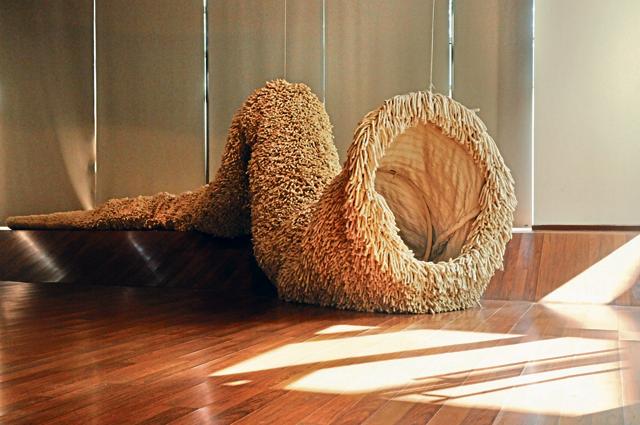
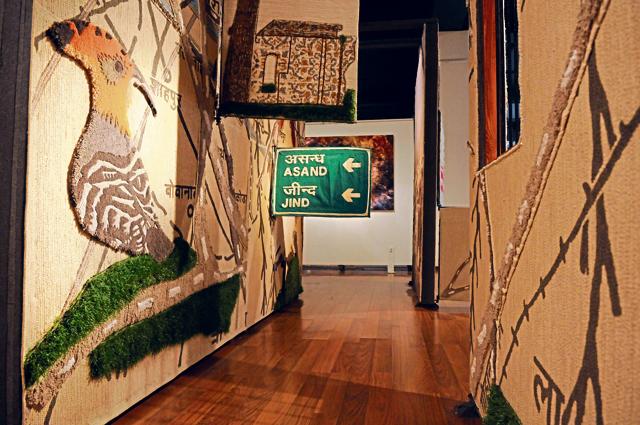
‘Thought’ by artist Dhvani Behl. Here, Behl collaborated with weavers and used their expertise in pitloom weaving techniques on materials like wool, metal wire and wood. (Saumya Khandelwal / Hindustan Times)
Nidhi Khurana’s ‘A city with a Heart: Panipat’ represents a journey, which uses maps of the city. Each patch on the exhibit represents an experience, a person, a feeling, or a song. Techniques used include braiding, tufting, screen printing, embroidery and chromojet printing. (Saumya Khandelwal / Hindustan Times)
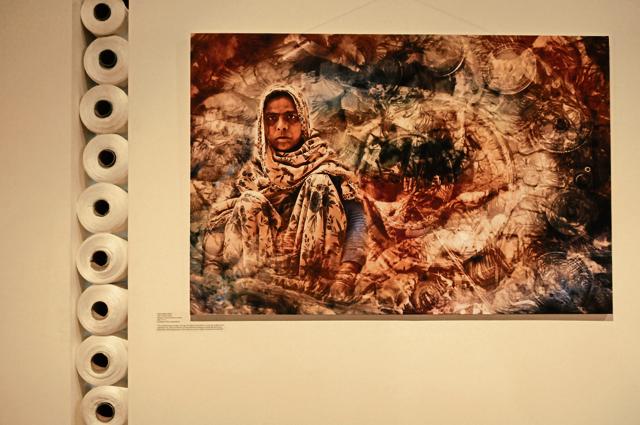
‘Yarns of Hope’ by Brahm Maira uses photo manipulation of an archival print on canvas. (Saumya Khandelwal / Hindustan Times)
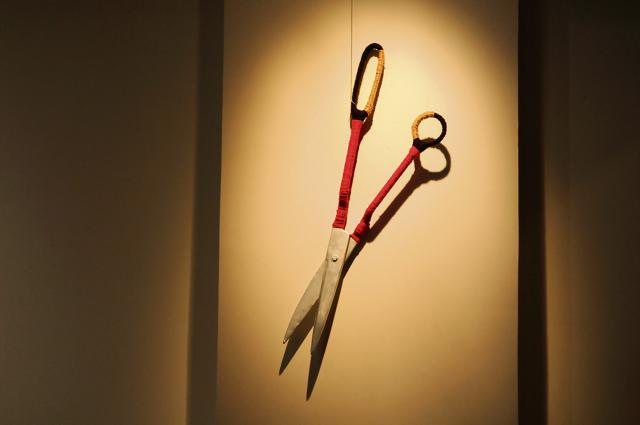
‘Trimmer’ by Shivani Aggarwal uses yarn wrapping and sculpting fibre glass. (Saumya Khandelwal/ Hindustan Times)
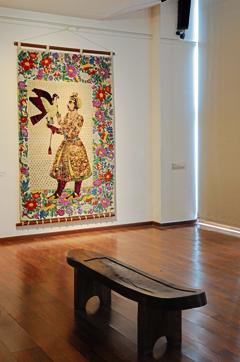
Durga Kainthola’s Portraits of the Rulers depicts Mughal emperors Babur and Akbar and the Maratha Baji Rao Peshwa, all of whom participated (at different times) in the battles fought at Panipat, where the weavers work. This piece titled ‘Memoir of Akbar’ uses the techniques of screen printing and tufting. (Saumya Khandelwal / Hindustan Times)

ART WEAVE

WHERE: The Stainless, Mira Corporate Suites 1 &2, Old Ishwar Nagar, Okhla

WHEN: Till December 31, 2015

  • Furquan Ameen Siddiqui
    ABOUT THE AUTHOR
    Furquan Ameen Siddiqui

    Furquan Ameen Siddiqui was part of Hindustan Times’ nationwide network of correspondents that brings news, analysis and information to its readers. He no longer works with the Hindustan Times.

Explore the latest Lifestyle News on health, fashion, travel, relationships, food and festivals. Find useful tips, expert advice, trends and inspiring stories for everyday living.