
 E-Paper



Off the beaten path

 Prefer HTon Google


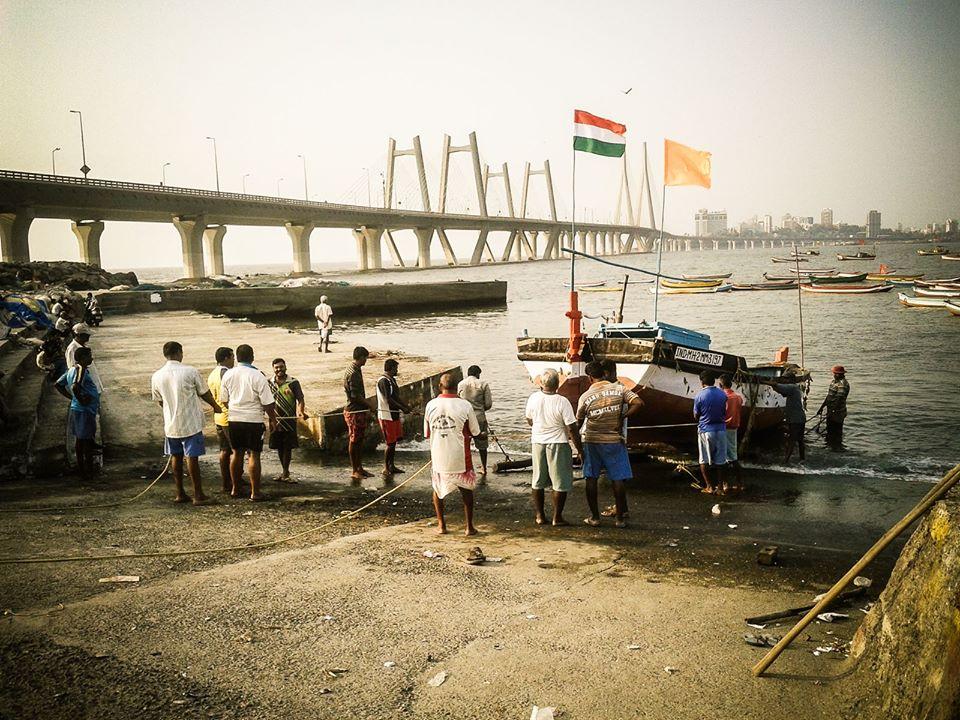
Mumbai is coloured in mixed traditions, we pick out walks that are dissimilar and personal in their approach to viewing the setting
A city is not quite explored until you have meandered through its streets, shops, by-lanes and bazaars on foot. “Walking around,” in this city, is not an idle expression for killing time. The coinage is an elemental exercise in coupling people with places, cultures with identities, and histories with manifestations. A walk is no less profound than a childhood memory. Orhan Pamuk fittingly writes in his book, My Name Is Red, “your body gets to know the streets so well... that in a fit of melancholy... you’ll discover your legs carrying you of their own accord toward one of your favourite promontories”. And, it is in the essence of such wanderings that a city comes to life.
This city being coloured in intersectionality and mixed traditions, we pick out walks and trails, that are dissimilar and personal in their approach to viewing the setting.
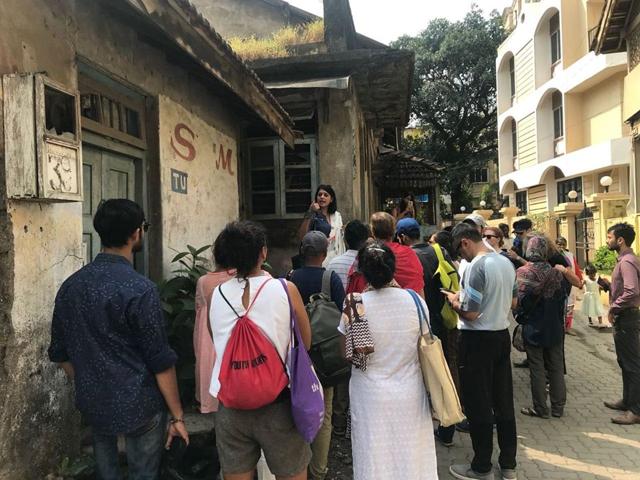
Viewing through books
Before coming up with her niche travel collectives Beyond Bombay and Beyond Delhi, Shriti K Tyagi was a theatre aficionado. Her concept-based walks are hinged on engaging minds with the past and present of a place. Ask her about the most requested walk and she shares how Lin Baba’s Colaba (based on Gregory David Roberts’s book, Shantaram) and the Babbanji Bihari Walk (in reference to the novel, Maximum City by Suketu Mehta ) chart a lopsided trajectory. Shriti explains, “When I started these literary walks nearly twelve years ago, there were not many takers. Potential attendees failed to understand the notion of books lending to a locality and vice versa. I wanted them to see with ‘book eyes’, to trace a character’s curve through one pocket of this metropolis.” She says Shantaram strategically positioned itself between fact and fiction turning the city into a personality. “One could reconstruct events set in a specific area while falling back upon its age-old stories. Eventually, people caught pace with the idea and today, Lin Baba is a hit. However, my other walk that tracks Babbanji’s journey from Bihar to Mumbai, ran for only four years, as the letter writers across the General Post Office and even the roadside book stalls died out,” she elaborates. Shriti says another walk that people enjoy is around the Worli-Koliwada area. “I planned it to know more about a locally bypassed micro-culture existing in the heart of the city. The Fort rising from the cluster of colourful houses, the blue, orange and white boats dotting the sea with bhagwa flags and the waves dashing against the rocks do catch our eye,” she concludes.
Symbolising culture

An ex-journalist, author, confirmed-foodie and now, a passionate walker, Ketan Vaidya feels the city is not monochromatic. He finds the city syncretic in how diverse communities weave a uniform tapestry. His start-up, Musafir Walks, recently conducted a tour in and around Girgaum and he can’t stop gushing about the historical references. This walk started at the iconic Sahitya Sangh Mandir, which is known to have staged theatre performances since 1935. It then moved to the 125-year-old Keshavji Naik Chawl, which has witnessed freedom fighter Lokmanya Tilak deliver fiery speeches and unite people through Ganpati. “We visited the Hindi Granth Karyalay (a 100-year-old book shop at Cowasjee Patel Tank). Tracing footsteps at Khotachiwadi, an East Indian maze of Portuguese-style houses, was especially scenic,” Ketan shares. Prod him on and he says, “Youngsters are more collaborative. They are not too eager to know about culture. I do not blame them. We have collectively discouraged the habit of walking and claiming public spaces amongst the youth.” He believes theme-based walks on cricket, music or food can encourage them to partake. The conversation leads us on to a customary practice. “The Mahim Peer Dargah has a special bond with the Mumbai Police for the last 700 years. The cops offer a chaddar to the dargah, every year, as a mark of reverence,” Ketan says. According to him, rituals as cultural symbols have to be identified and preserved in an age of unbridled urbanisation.
Redifining slums
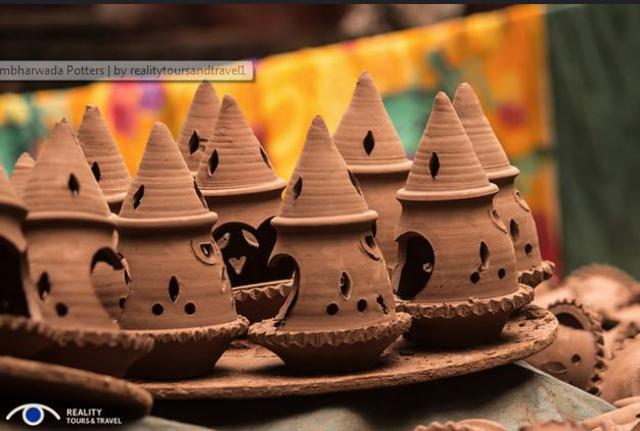
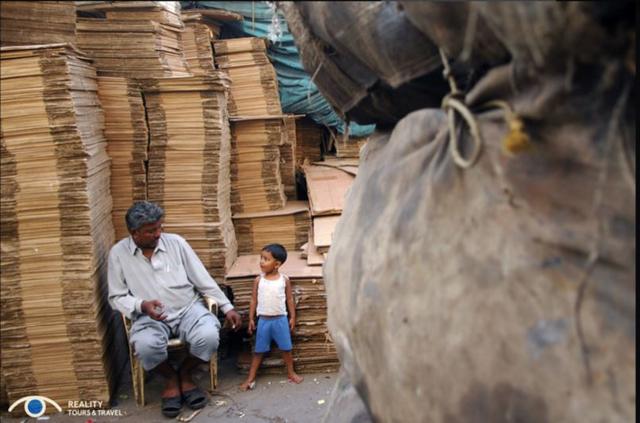
“Come to Dharavi and you will see us happy,” says Asim Shaikh, Operations Manager, Reality Tours and Travels. Asim organises slum walks in Dharavi along with a team of 22 other locals and says there is scope for further participation to bust inhibitions about slums. Asim says that starting out was not easy, as the idea of slum tourism is conventionally imagined around poverty. However, reality in Asia’s largest slum has an unlikely tale to tell. The nearly three-hour-long tour starts from Mahim station and makes its first halt at the Plastic Recycling Area. This point is known to process and recycle 80% of Mumbai’s plastic waste. The trail then shifts to the residential areas of Dharavi, to the leather industry (one of the biggest exporters to European countries) and then, to the small-scale papad sellers. “The walk also addresses issues related to gender. In Dharavi, women contribute majorly to businesses,” Asim mentions. The place also nests a pottery and handicrafts workshop that is sought after for earthenware and home décor. The film, Slumdog Millionaire (2008), had increased their takers as, Asim explains, “People started thinking of us as people too but, it did not do us good entirely as it showed a young boy carrying a gun. Shanties are not the only places where crime thrives. Gully Boy (2019) did help the scene by depicting inhabitants of the area as real.” He concludes saying that Dharavi is a busy place and the residents have aspirations like anybody else. A slum tour can, therefore, be educative and not necessarily depressing.
ht.cafe@htlive.com


