
 E-Paper





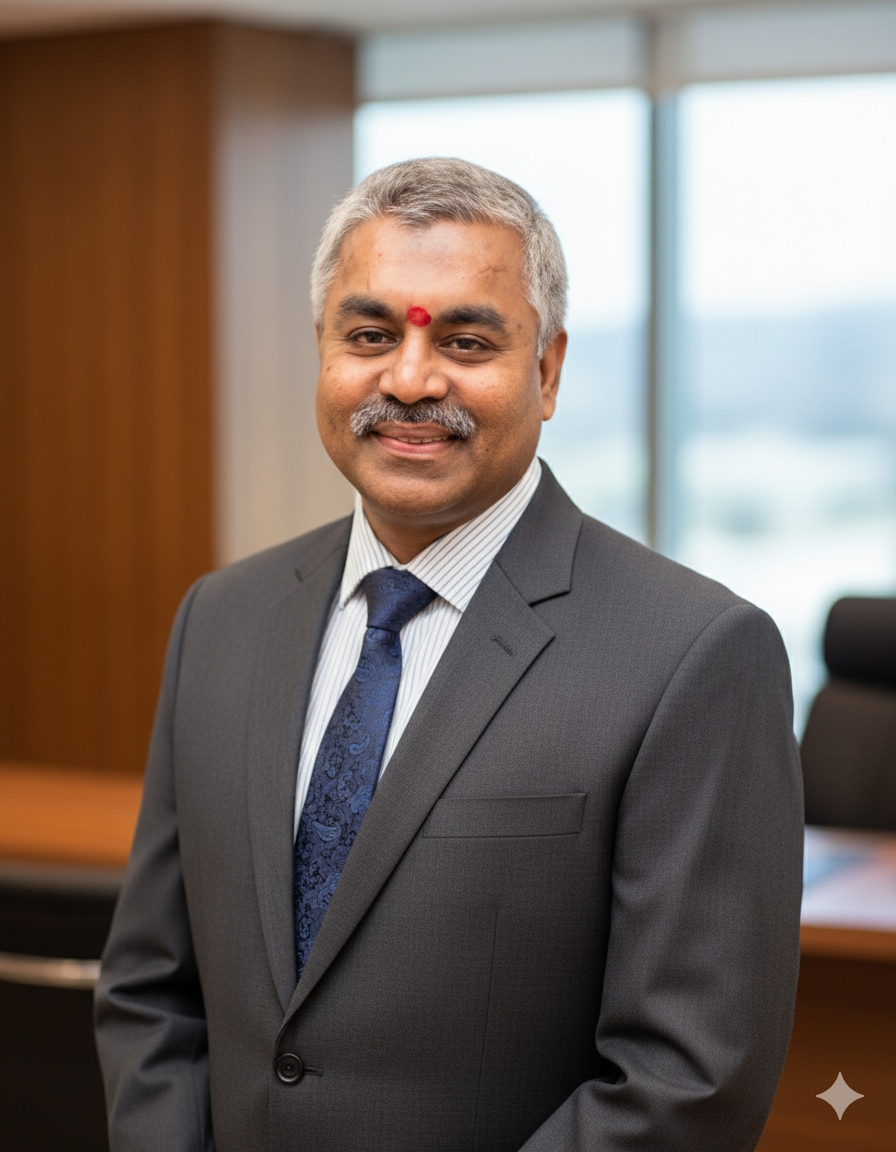
Teaching and practising Astrology, Vastu, and Numerology for more than three decades, Dr Achary Kalki Krishnan is a senior Vastu consultant, Vedic astrologer, researcher, educator and corporate mentor. Born in the sacred region of Vindhyachal Shakti Peeth, situated between Prayagraj and Varanasi, Dr Achary Kalki Krishnan is considered one of the most respected, knowledgeable, and qualified Astrologers and Vastu consultants of India. Experience and Areas of Work More than three decades of teaching, practice, consultation and research in Vastu Shastra, Astrology and related disciplines Delivered thousands of correct predictions about Indian Elections, Rise of Anna Hazare’s movement, the Political success of Narendra Modi and Arvind Kejriwal, Commonwealth Games, the Indian Monsoon and many more. Recent ones being Pope Francis' demise, the Air India Crash, the collapse of Zomato, FIITJEE, etc Astrology- and numerology-based guidance for individuals, families and businesses Residential, commercial, corporate, institutional and industrial Vastu consultation Strategic consultation for startups, established enterprises and large corporate organisations Development of practical, non-demolition Vastu correction methods Developed the concept of Astro Vastu, an approach that combines Vastu Shastra with Astrology Only Vastu Consultant to have a Patent in Vastu Analysis methodology, currently followed all around the Globe. Brand-name, logo and corporate-identity consultation through the principles of Logo Shastra, a unique and proven concept created by him for Corporate Success Participation in national and international conferences, seminars and academic programmes Presentation of research papers on Vastu Shastra, temple architecture and the scientific interpretation of traditional principles Serving clients in more than 100 countries Clients include Infosys, DLF, Medanta, Shiv Nadar Group, Jakson Group, Ahluwalia Group, Vardhman Group and Lakhs of other corporates, celebrities, and who’s who Mentor and guide of AstroDevam Private Limited, the most premium organisation in the field of Astrology, Vastu, Numerology, etc. Academic and Professional Qualifications Achary Kalki Krishnan’s educational background brings together modern professional studies and traditional Indian knowledge systems. His qualifications include: B. Com., LL. B., ACMA/AICWA from India’s premier institutions Jyotish Shastri, Jyotish Visharad Jyotish Vachaspati by ICAS in recognition of his three-decade-long Astrology Teaching Master of Arts in Dharmashastra, Vedic Karmakand and Jyotish from Gurukula Kangri Vishwavidyalaya, Haridwar UGC-accredited Assistant Professor, Dharmashastra PhD in Astrology from Shri Lal Bahadur Shastri National Sanskrit University Research and Academic Contribution Beyond his breakthrough doctoral research on psychiatric disease in the light of astrological parameters, Achary Kalki Krishnan has presented research papers at many Universities on subjects like: Gita and Mental Health Vastu Shastra: Scientific Dimensions Scientific Validity of Vastu Principles Temple architecture and its relationship with Vastu principles Environmental protection through traditional Vastu concepts Core Areas of Expertise Vedic and predictive astrology Residential Vastu Commercial and corporate Vastu Industrial and factory Vastu Institutional and office Vastu Non-demolition Vastu correction Astro Vastu Numerology and name correction Logo Shastra and energy-aligned logo design Brand naming and corporate identity Birth-time rectification Muhurta and business decision consultation Vedic rituals, Yagya and remedial measures Gemstone, Rudraksha, Yantra and pyramid consultation Reiki and Pranic Healing Graphology and Numero-Graphology More about him can be known at https://www.astrodevam.com/achary-kalki-krishna.html, and he can be contacted through email astro@astrodevam.com
Panchang Today, November 25, 2026: Krishna Pratipada under Rohini Nakshatra
Panchang November 25 Today: Check the tithi, nakshatra, yoga, and planetary transits, along with today’s auspicious and inauspicious timings.

In traditional Panchang interpretation, November 25, 2026, favours a measured approach to everyday responsibilities, with clear communication, steady follow-through and quiet preparation offering a practical theme for readers using the New Delhi Panchang.

Key Timings Today | |
|---|---|
| Sunrise | 6:51 am |
| Sunset | 5:24 pm |
| Rahu Kaal | 12:07 pm to 1:27 pm |
| Highlighted favourable window | Brahma Muhurta: 5:03 am to 5:57 am |
How to use it: Prefer this period for quiet planning, reflection or prayer. Avoid new beginnings during Rahu Kaal.
What Today's Panchang Means
In traditional Panchang interpretation, Budhvar provides a useful frame for attention to communication, learning and the practical details of daily exchanges. Read alongside Krishna Pratipada, the emphasis may be placed on taking stock and choosing a manageable starting point rather than attempting too much at once. For readers following this tradition, a modest plan with clearly defined steps is a sensible way to approach the day. Rohini and the Moon in Taurus can be read together as an invitation to value steadiness, care and tangible progress. In everyday terms, that may mean completing something useful, looking after existing commitments and allowing enough time to do a task properly. These are traditional interpretive associations, not a forecast of what will happen. The combined guidance is therefore best used as a prompt for deliberate choices: check what needs attention, distinguish essentials from extras and avoid confusing a familiar method with the only possible method. Leave room to revise your approach when the facts require it.
How to Use the Day
Work and important decisions
Those who follow Panchang guidance may use the day's emphasis on steadiness to organise work around a few achievable priorities. Begin with the information already available, identify what remains uncertain and give each task a clear next step. In meetings or written exchanges, state the purpose before moving into detail. For important decisions, compare costs, responsibilities and deadlines rather than relying on an auspicious label alone. A second reading of a document can be more useful than a hurried approval. Where several people share a task, confirm who will act and by when. Keep timing preferences separate from essential professional checks and obligations.
Relationships and communication
In traditional Panchang interpretation, the day's practical emphasis may be applied to relationships through patient listening and dependable follow-through. Make requests plainly, especially where household responsibilities, shared plans or money are involved. If a conversation becomes repetitive, return to the specific issue rather than making broad judgements about the other person. A small commitment that you can keep is preferable to a reassuring promise made in haste. Those who follow Panchang guidance can treat this as a reminder to give others time to respond, while recognising that timing cannot substitute for mutual respect or clear boundaries.
Reflection and spiritual routine
Those who follow Panchang guidance may find a short, unhurried pause useful for reviewing priorities before the day becomes busy. Consider what requires action, what needs more information and what can reasonably wait. If prayer is already part of your routine, retain a familiar and manageable practice rather than adding obligations. Reflection can also be practical: acknowledge an unfinished responsibility, reconsider an assumption or decide where to place your attention. The purpose is not to obtain certainty about the day, but to approach ordinary choices with greater care. Keep the exercise proportionate to your available time.
Panchang Facts at a Glance | |
|---|---|
| Date and Vaar | November 25, 2026, Wednesday (Budhvar) |
| Lunar Month | Amanta: Kartika; Purnimanta: Margashirsha |
| Tithi (lunar day) | Krishna Pratipada until 4:50 pm; then Krishna Dwitiya |
| Nakshatra (lunar constellation) | Rohini until 8:35 pm; then Mrigashira |
| Yog (Sun-Moon combination) | Shiva until 11:58 am; then Siddha |
| Karan (half-tithi division) | Kaulava until 4:50 pm; then Taitila until 3:02 am, Thursday; then Gara until 1:15 pm, Thursday |
| Moon sign (zodiac position) | Taurus |
Auspicious Timings (Shubh Muhurat) | ||
|---|---|---|
| Period | Start | End |
| Brahma Muhurta | 5:03 am | 5:57 am |
| Pratah Sandhya | 5:30 am | 6:51 am |
| Amrit Kalam | 5:46 pm | 7:11 pm |
| Vijaya Muhurta | 1:53 pm | 2:35 pm |
| Godhuli Muhurta | 5:24 pm | 5:51 pm |
| Sayahana Sandhya | 5:24 pm | 6:45 pm |
| Nishita Muhurta | 11:41 pm | 12:35 am, Thursday |
| Sarvartha Siddhi Yog | 8:36 pm | 6:52 am, Thursday |
Those who follow Panchang timings may use Brahma Muhurta, from 5:03 am to 5:57 am, for quiet planning, reflection or prayer. This is the highlighted favourable window in the supplied New Delhi Panchang. Keep its use simple: review the day's priorities, consider a pending question or make space for an existing prayer routine. There is no need to fit several activities into the interval or rearrange essential responsibilities around it. The timing serves as a traditional point of reference, not an assurance that a plan will succeed. If you choose to use it, arrive with one clear purpose and leave yourself a realistic next step. Practical preparation and attention to circumstances remain necessary for any action that follows.
Inauspicious and Caution Timings | ||
|---|---|---|
| Period | Start | End |
| Rahu Kaal | 12:07 pm | 1:27 pm |
| Gulika Kaal | 10:48 am | 12:07 pm |
| Yamaganda | 8:10 am | 9:29 am |
| Dur Muhurtam | 11:46 am | 12:28 pm |
| Varjyam | 1:32 am, Thursday | 2:57 am, Thursday |
| Vidaal Yog | 8:36 pm | 6:52 am, Thursday |
| Aadal Yog | 6:51 am | 8:35 pm |
Those who follow Panchang timings may prefer to defer an optional new undertaking during Rahu Kaal, which ends at 1:27 pm. Vidaal Yog continues until 6:52 am, Thursday, and is also a mandatory caution reference for this day's guidance. Sarvartha Siddhi Yog and Vidaal Yog occur simultaneously, so their traditional indications are mixed: one is listed as favourable while the other calls for caution. Neither should be read as cancelling or overriding the other. Readers who use these distinctions may choose to keep discretionary commitments flexible and use the relevant periods for review or preparation instead. This need not interrupt routine duties or necessary decisions. Where a deadline cannot move, check the details, seek appropriate advice if needed and proceed according to the actual requirements of the situation rather than treating the timing as a prediction.
Sunrise, Sunset, Moonrise and Moonset | |
|---|---|
| Sunrise | 6:51 am |
| Sunset | 5:24 pm |
| Moonrise | 5:50 pm |
| Moonset | 7:35 am |
Rahu Kaal Timings Across India | |
|---|---|
| City | Rahu Kaal |
| Mumbai | 12:25 pm to 1:48 pm |
| Delhi (NCR) | 12:07 pm to 1:27 pm |
| Bengaluru | 12:06 pm to 1:32 pm |
| Hyderabad | 12:02 pm to 1:27 pm |
| Chennai | 11:55 am to 1:21 pm |
| Ahmedabad | 12:26 pm to 1:48 pm |
| Pune | 12:21 pm to 1:44 pm |
| Kolkata | 11:23 am to 12:45 pm |
| Jaipur | 12:13 pm to 1:33 pm |
| Kochi | 12:11 pm to 1:39 pm |
| Lucknow | 11:53 am to 1:13 pm |
| Indore | 12:13 pm to 1:35 pm |
| Guwahati | 11:09 am to 12:30 pm |
| Chandigarh | 12:09 pm to 1:27 pm |
| Surat | 12:25 pm to 1:48 pm |
| Visakhapatnam | 11:43 am to 1:07 pm |
| Nagpur | 12:00 pm to 1:22 pm |
| Coimbatore | 12:08 pm to 1:35 pm |
| Varanasi | 11:44 am to 1:05 pm |
| Bhubaneswar | 11:33 am to 12:56 pm |
In traditional Panchang guidance, the most useful takeaway is a measured pace: choose a few priorities, communicate them clearly and leave time for checking. Use preferred timings where they fit your circumstances, without making them a source of pressure. Let sound judgement and everyday responsibilities remain central to the day's decisions.
This article presents traditional Panchang guidance for general information. Timings vary by location.
Dr. Achary Kalki Krishnan
(Vastu consultant, Vedic astrologer, Researcher, Educator & Corporate mentor)


