
 E-Paper



Elusive monsoon makes farmers jittery in 18 districts of Madhya Pradesh
The deficient rainfall witnessed in the districts, mostly in the Gwalior-Chambal, Bundelkhand and Mahakoshal regions, varies from minus 7% in Guna to minus 45% in Gwalior, data from meteorological department’s Bhopal unit shows.

 Prefer HTon Google


Farmers in 18 districts of Madhya Pradesh, who have sown their kharif crops, said they are staring at a huge loss if the monsoon continues to play truant for the next one week or so.
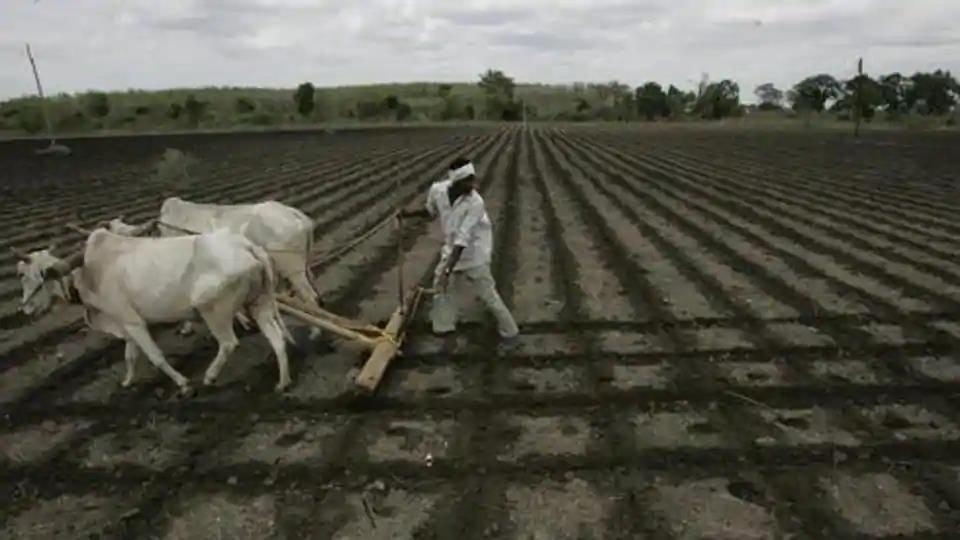
The deficient rainfall witnessed in the districts, mostly in the Gwalior-Chambal, Bundelkhand and Mahakoshal regions, varies from minus 7% in Guna to minus 45% in Gwalior, data from meteorological department’s Bhopal unit shows.
The districts having deficient rains include Gwalior, Bhind, Datia, Guna, Shivpuri, Chhatarpur, Damoh, Sagar, Tikamgarh, Balaghat, Jabalpur, Narsinghpur, Katni, Dhar, Mandsaur, Shajapur and Hoshangabad.
Madhya Pradesh had recorded heavy rains in July last year at 643.1mm against the normal rainfall of 371.6mm for the month. As of now, the state has had 318.6mm of rains in the entire rainy season so far beginning June 1.
The entire Bundelkhand, except Panna, and one-third of Gwalior-Chambal regions are parched whereas as many as 13 districts out of the total 52 have witnessed excess rainfall of 20% or above. Most of the districts with excess rainfall fall under Malwa-Nimad region.
Sowing of kharif crops—paddy, millet, soybean, arhar, mung, urad, groundnut—is done in June and July in the state, as per agriculture department officials.
“I sowed soybean on 25-acre land and urad on 5-acre land. Since the sowing on July 2, there is no rainfall in our area. The result is the surface in the agriculture field has started showing cracks and crop withering,” Vinod Tiwari, a farmer from Bobai village in Sagar district in Bundelkhand region, said.
Tiwari said the leaves of his soybean plants have started turning yellow and the growth of plants is affected by about 30 to 40%.
“If I don’t have rains in the next four to five days the crop can hardly be revived. So far I have invested Rs 1.66 lakh in my Kharif crop spent on the purchase of seeds, ploughing, labourers engaged for sowing, pesticide etc. If the crop fails this will be a huge setback to me and my family,” he added.
Dayaram Ahirwar, a farmer from Dhana village in Sagar, also said if they don’t get rainfall in the next few days his entire crop will be damaged.
“I sowed one quintal of soybean and 25 kg of urad. So far I have invested around Rs 15,000 to Rs 20,000 for my Kharif season crops. There has been rainfall just once after the sowing. The plants are withering,” he said.
Mahendra Singh Yadav, a resident of Borai village in Gwalior, said, “I have sown paddy in 5 beegha of land and Urad in another 5 beegha of land. Borewell is of no use as the groundwater level has plummeted. Hence, if there is no rain in the next week and my crops are damaged I will suffer a loss of more than Rs 75,000.”
The agriculture department has said sowing in kharif season this year has been done in 118.05 lakh hectare of land against the target of 146.31 lakh hectare.
Shivmohan Singh, the media in-charge of Narmadapuram division of RSS-affiliated Bharatiya Kisan Sangh, said deficient rains aren’t the only worry for the farmers.
“While want of rains has caused troubles to the farmers they are equally harassed by erratic power supply as they can’t use motor pumps properly to irrigate their land. The government must look into the problem of the farmers at the earliest to ensure farmers don’t suffer a huge loss in the event of no rains,” Singh said.
Kamal Patel, the state minister for farmers welfare and agriculture development, said the government is keeping a close watch on the situation.
“Reports about deficient rains have been received from 13 districts. We are going to review the situation in the next couple of days.”
(With inputs from Anupam Pateriya in Sagar, Mahesh Shivhare in Gwalior and Jitendra Verma in Hoshangabad)


