E-Paper



Shortage of doctors plagues rural health in Madhya Pradesh
Health sector in rural Madhya Pradesh is suffering from an acute shortage of doctors because experts say the young doctors don’t show much interest in working in remote areas, primarily due to low salary.

 Prefer HTon Google


Health sector in rural Madhya Pradesh is suffering from an acute shortage of doctors because experts say the young doctors don’t show much interest in working in remote areas, primarily due to low salary.
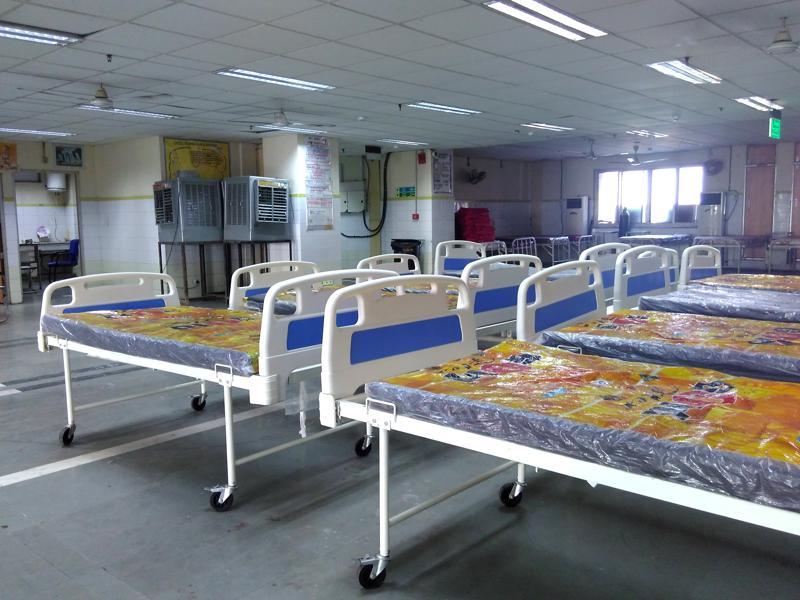
There are 51 districts hospitals, 66 civil hospitals, 335 community health centres, 1170 primary health centres, 9192 health sub-centres and 49864 gram aarogya kendras in Madhya Pradesh.
But experts say this infrastructure doesn’t hold much significance unless they are manned by trained doctors, especially in the rural areas.
Against the 7,000 sanctioned posts, the state requires at least 4000 doctors, and the shortage has put pressure on the working doctors and increased the health department’s dependence on contract employees.
But the government’s temporary move doesn’t always work, especially when the contract health employees go on strike alleging apathy.
This is one of the reasons behind the government’s pact with a Gujarat non-government organisation to privatise health services in Alirajpur, a move that came under criticism.
Madhya Pradesh Medical Officers’ Association patron Dr Lalit Srivastava said the reasons for government’s failure to attract young doctors to rural areas was due to poor pay scale, no residential facilities, lack of safety arrangements and no clear promotion or transfer policy.
“Doctors working in other states or in private hospitals get better salary than those in public sectors in Madhya Pradesh. So, why should any young doctor work under the state’s health department,” he said.
He said the state government manages to retain 20 to 30% of the doctors it recruits annually.
Dr Srivastava said there should be one doctor for every 5000 people.
“In Madhya Pradesh, we should ideally have around 15,000 doctors. But we have roughly 3000 doctors. So it is almost impossible for the government to improve healthcare at the grassroots with this skeleton staffers,” he said.
Unhappy with the government’s way of treating them, many doctors have decided to go for mass resignation by April 20.
“If the state government doesn’t accept our demands by April 15, we will hand over resignations and voluntary retirement applications by April 20. We want the government to immediately stop recoveries under four-tier pay scale from the doctors and fill the vacancies across the state,” said Madhya Pradesh Medical Officers’ Association general secretary Dr Madhab Hasani.
National Health Mission deputy director Dr Pankaj Shukla said the department was aware about the difficulties faced by people the state.
“The government is trying to attract doctors. We have changed the quota for MD, MS courses for in-service doctors from 25% to 50%. The state has also increased the age of retirement for doctors from 60 to 65,” he said.
Experts and some senior officials in the department feel increasing the retirement age of doctors would prove counterproductive in the long run.
“The government can provide salary to three young doctors in place of a senior doctor’s salary. Besides, a senior doctor who has few years left for retirement generally won’t work in rural areas or go for night duty,” said a senior officer wishing anonymity.
SCENARIO
51 districts hospitals
66 civil hospitals
335 community health centres
1170 primary health centres
9192 health sub-centres
49864 gram aarogya kendras