
 E-Paper



Mrinal Sen turns 95: I never believed in chairing or being a part of the National Awards Jury
Filmmaker Mrinal Sen talks about his journey in the film industry; his contemporaries talk about working with him.


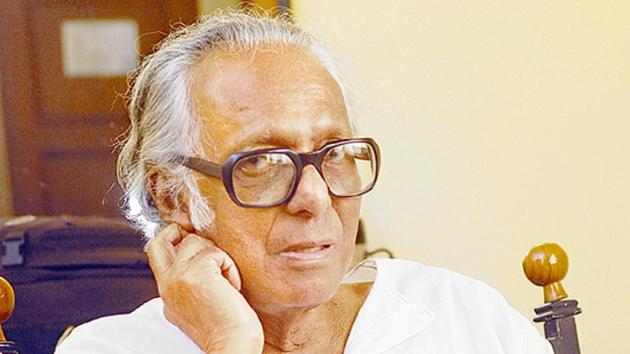
Filmmaker Mrinal Sen, who turned 95 yesterday, talks about depicting the reality of India in his films. He says that he misses the golden era of the film fraternity when everyone stood by each other.
THE MAVERICK SPEAKS
Often I hear acquisitions that Satyajit Ray and I marketed India’s poverty to win international awards and encomiums. Nothing amuses me more than this. We have always depicted reality and life as it is in the nation through our films. What does one mean by selling poverty? Is it a commodity to be marketed at a price? Neither Ray nor I believed in depicting larger than life situations or characters which box-office-oriented popular cinema does. To us, life is larger than art. If art is honest, life follows it.
I really miss the golden ’50s, ’60s and ’70s when the film fraternity was tied together in an affectionate bondage. Eminent filmmaker Ajay Kar approached me to pen a script for him. I obliged him by writing the script of Kanch Kanta Heera. He transformed it into a memorable film. There were master filmmakers then, like V Shantaram, Ritwik Ghatak, Tapan Sinha, Asit Sen and Shyam Benegal. For me, the first three names in Indian cinema are Ray, Ray and Ray.
Have you ever heard me speaking of myself as a political filmmaker? I’ve never done that. In all my films, I’ve taken up social issues rooted in the soil of my country. The political upheaval of the early ’70s formed the backdrop of my Calcutta trilogy. Besides Bengali, I also directed Hindi and Telegu cinema to reach a wider audience.
Like Ray, I never believed in chairing or being a part of the National Awards Jury. I have been a jury member in almost every international film festival outside India. I shared good vibes with Gregory Peck and Sophia Loren. Similarly, I had differences of opinion with Alan Parker whom I hold in high esteem. If Charlie Chaplin is a cinematic idol to me, I highly appreciate the works of Ingmar Bergman, Stanley Kramer and Akira Kurosawa. Cinema is never the same without them.
CONTEMPORARIES SPEAK ABOUT MRINAL SEN
Ranu Mukherjee
My father, Hemanta Mukherjee, composed the haunting song Neel Akasher Neeche for Mrinalda’s film of the same name in the middles ’50s. I still get goose pimples when I see the sequence. A shattered Kali Banerjee, walking the streets of Kolkata at night. The song brought out the pathos of the city after partition. Each of the shots canned to picturise the song was meaningful. Mrinalda proved his mastery over the language of cinema.
Simmi Garewal
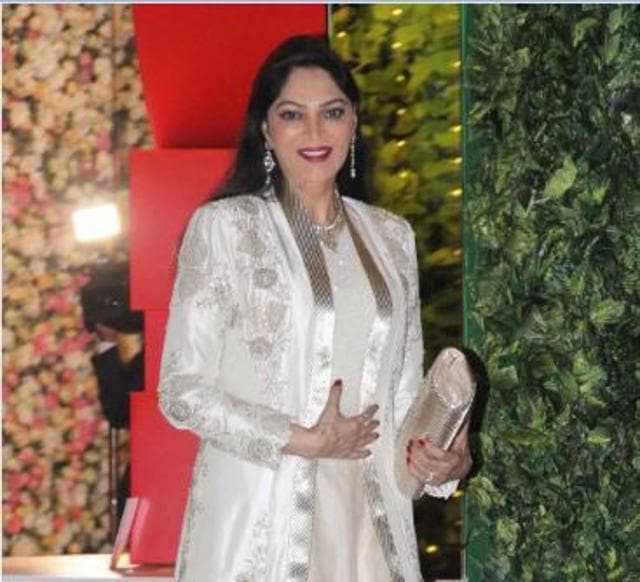
After working with Satyajit Ray in Aranyer Din Ratri, it was another honour for me to have worked with Mrinal Sen in Padatik. I was not being able to give the right Bengali diction and was faltering in saying, “Ekta Poisa.” Initially Mrinalda wanted to dub my voice. Later, he decided to take a bold step and experiment with me. He did so with care and effectively. Mrinalda’s handling of actors is unique. He is disciplined, uncompromising, yet very affectionate.
Govind Nihalani
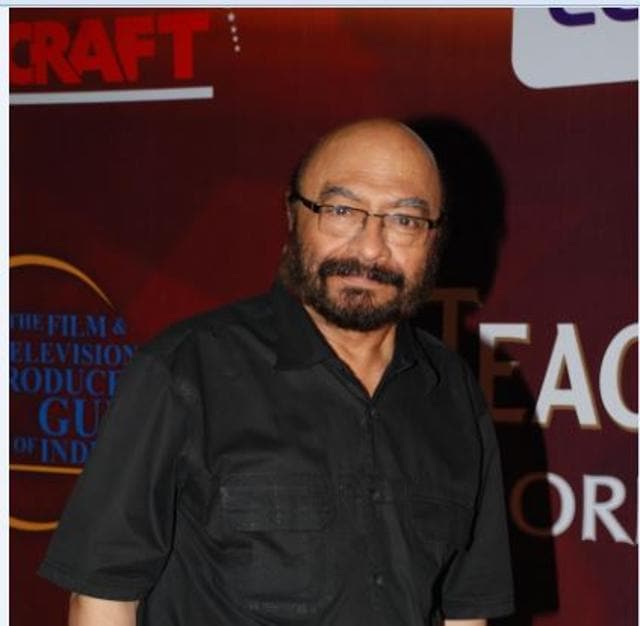
The grand trio of Ray, Ghatak and Sen are my mentors in cinema. I still marvel at the use of freeze shots by Mrinalda in Akash Kusum. The jump cuts in Calcutta 71 and Interview are so well executed. I personally supervised and restored Khandahar frame by frame at the National Film Achieves at his request. A sheer poetry on screen, Khandahar was highly applauded at Cannes Classic Section in 2010.
Follow @htshowbiz for more
Get more updates from Bollywood, Taylor Swift, Hollywood, Music and Web Series along with Latest Entertainment News at Hindustan Times.


