
 E-Paper



Abodh Aras: “People who love community animals are not anti-human”
‘Street dogs are territorial. When you remove them from an area, there is a vacuum. New dogs come and occupy that’.

 Prefer HTon Google


Abodh Aras, the CEO of Welfare of Stray Dogs and the author of My City, My Dogs, speaks on the need to persist with vaccination and sterilization programmes, the role that community dogs play in teaching vital lessons on empathy, and the impracticality of recent court directives.
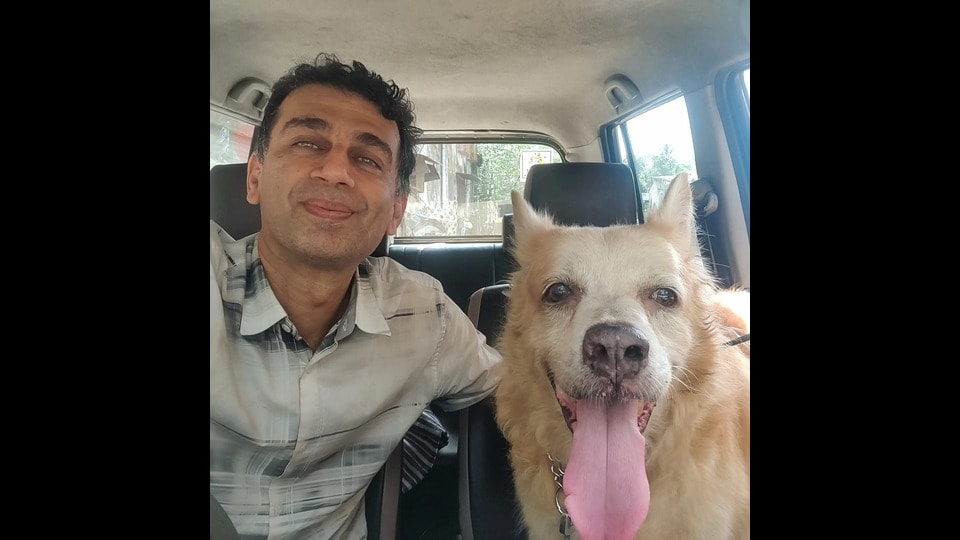
Earlier this year, the Supreme Court issued an order to pick up street dogs from all over Delhi, NOIDA, Ghaziabad, Gurugam and Faridabad, and put them in shelters where they would be sterilized, dewormed and immunized. As someone who has been working with street dogs for close to three decades, how did you feel when you heard about it?
I felt sad because there are several examples to show that such unscientific removal of street dogs does not work. In fact, it is a legacy that the British left us with. Street dogs were killed from the late 18th century, right up to 1994. As a resident of Bombay, I take great pride in remembering the Bombay Dog Riots of 1832, where the Parsi community took the lead in protesting the British East India Company’s official order to kill street dogs in Bombay. Non-Parsis joined in, and the British had to give in.
Street dogs are territorial. When you remove them from an area, there is a vacuum. New dogs come and occupy that. These new dogs are unknown to the humans in the neighbourhood, and this creates chaos. There could be fights among dogs, and people could also get attacked and bitten in the bargain. In order to have a non-rabid dog population that is stable, and diminishing, we need to focus on scientific methods like vaccination and sterilization rather than removal.
When street dogs are allowed to stay in the neighbourhoods that they have been part of, it is easier for organizations like ours to carry out sterilization and vaccination because the community animal caretakers and feeders who have earned the trust of the dogs help us in catching them for sterilization and vaccination.
The court’s directive was meant to protect children, visually impaired persons, the elderly, and homeless persons living on streets, from dog bites that could lead to rabies. What are your thoughts on these concerns? What can be done to ensure that everyone’s safety is given due importance?
I don’t think that people who love community animals or work with animals are anti-human. Every living being deserves to be protected, and we need to figure out how to coexist. The problem is that India’s street dogs face a lot of cruelty. There are people who trouble, beat and harass them.
If we humans have safety concerns related to dogs, the response needs to be scientific and compassionate at the same time. It should not be knee-jerk or rooted in fear. We have seen that mass vaccination programmes reduce transmission of rabies considerably, and mass sterilization programmes help in controlling the dog population without resorting to cruelty and violence.
Conducting awareness programmes especially for children on street dog behaviour, dog bite prevention and to bust myths about dog bites and give reliable information about rabies prevention is quite important. We have been working closely with educational institutions and reached out to lakhs of children to make this happen. In fact, the Happy Home and School for the Blind, and the Helen Keller Institute for Deaf and Deafblind have adopted dogs from us.
The court order mentioned that “any hindrance or obstruction that may be caused by any individual or organization” in the implementation of its directives would be seen as “contempt of court” but there was a lot of public outrage and the court had to modify the order. Why do you think that citizens were so keen to mobilize around this issue?
These days, because of social media, one comes across horrific videos of people throwing puppies from balconies or tying them up and hurting them. There was this great fear among animal welfare organizations that the court order might get misinterpreted and give a fillip to individuals who perform such cruel acts. It was important to mobilize in order to make sure that the honourable Supreme Court would also get to hear another side of the same story.
What are your thoughts on the latest Supreme Court order, which calls for the removal of stray dogs from educational institutions, hospitals, railway stations and bus stands?
Unfortunately, the Supreme Court order is impractical, does not have scientific base and very difficult to implement. Mumbai, for years, has followed the model of sterilise-vaccinate-return for street dogs, which is in line with the existing Animal Birth Control Rules, 2023. A majority of the dogs in the institutions which the SC has asked to be removed have already been sterilised and vaccinated. The order of not putting back the dogs would frustrate the hard work of NGOs and set back the time, resource and energy spent in the Animal Birth Control. Removal of these dogs would encourage new dogs from outside to occupy the vacuum created. Also, many schools and colleges have what are called community dogs – animals who live peacefully on campus. These have been sterilised, vaccinated, named, and cared for by staff and students. Caring for a community dog is a living lesson in empathy for the students which are the values taught in schools of compassion, responsibility and caring for the vulnerable. What also has not been considered is that the ‘designated shelters’ mentioned in the order are non-existent. Just to create these shelters and running them in a humane manner not comprising on defined animal welfare standards would require hundreds of crores of rupees not only the one-time infrastructure costs but also the recurring costs of food, medicines, veterinarians, animal attendants etc for the rest of the caught dogs’ lives.
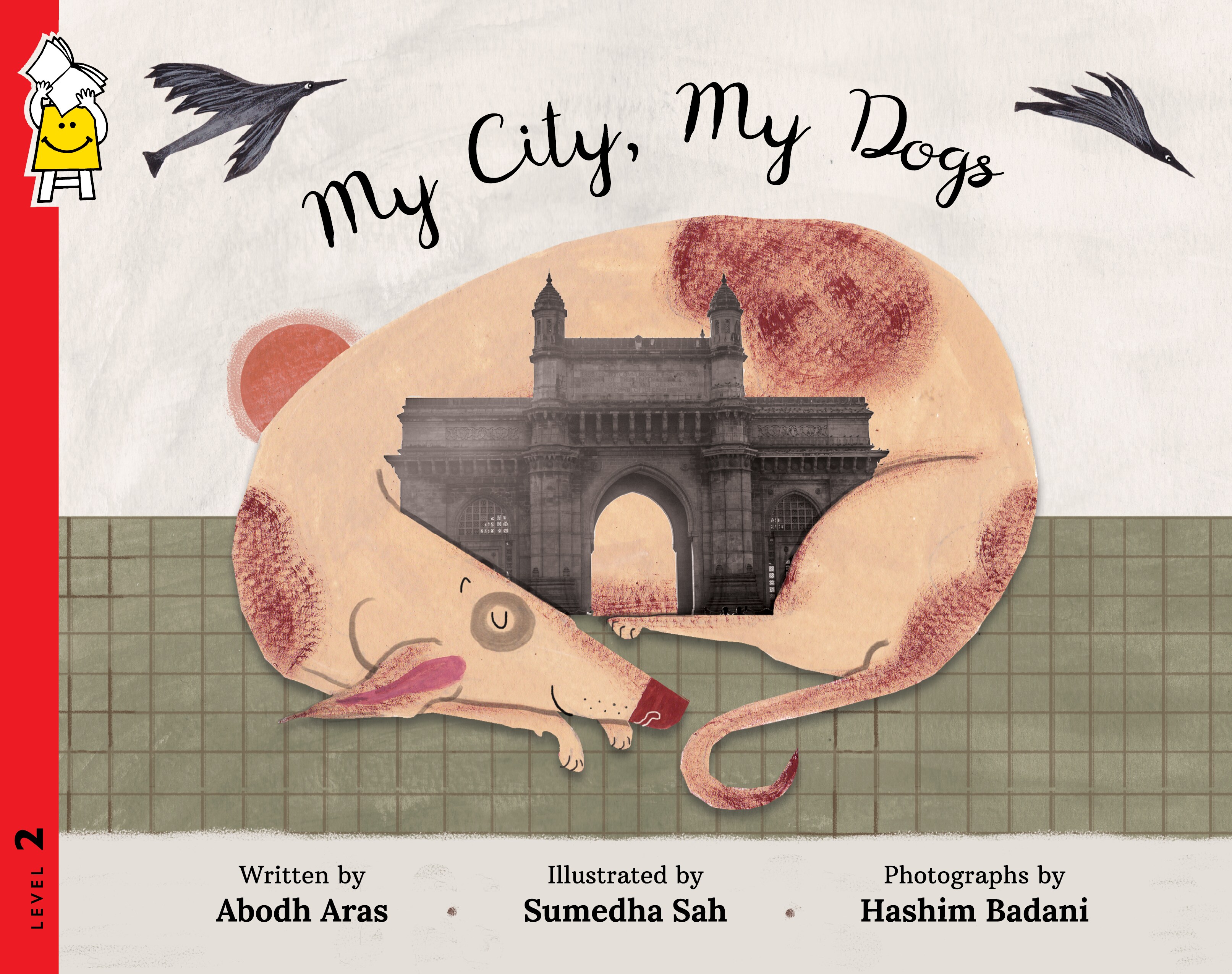
You have been writing a blog called Straying Around since 2005. In 2018, you wrote a children’s book called My City, My Dogs. What are your thoughts on the role of writing and books as a form of advocacy for street animals?
Street animals are an integral part of the urban and rural environments that we live in. They too have their own stories, idiosyncrasies, likes and dislikes, and relationships with people.
When I began writing the blog, I had a clear objective in my mind — to advocate for these animals, and to dispel the fears of human beings who have not interacted closely with them.
Apart from featuring the dogs that I have enjoyed meeting, my book celebrates community feeders who feed and take care of them. I wanted to show that these dogs are not just unwanted creatures hanging around the city. They mean a lot to the humans that they share space with.
It can be difficult to get adults to change their perspectives, but we do work with schools and they bring their students to kennels. I have noticed that children who are initially afraid of dogs become more comfortable when they see their peers and classmates playing with dogs.
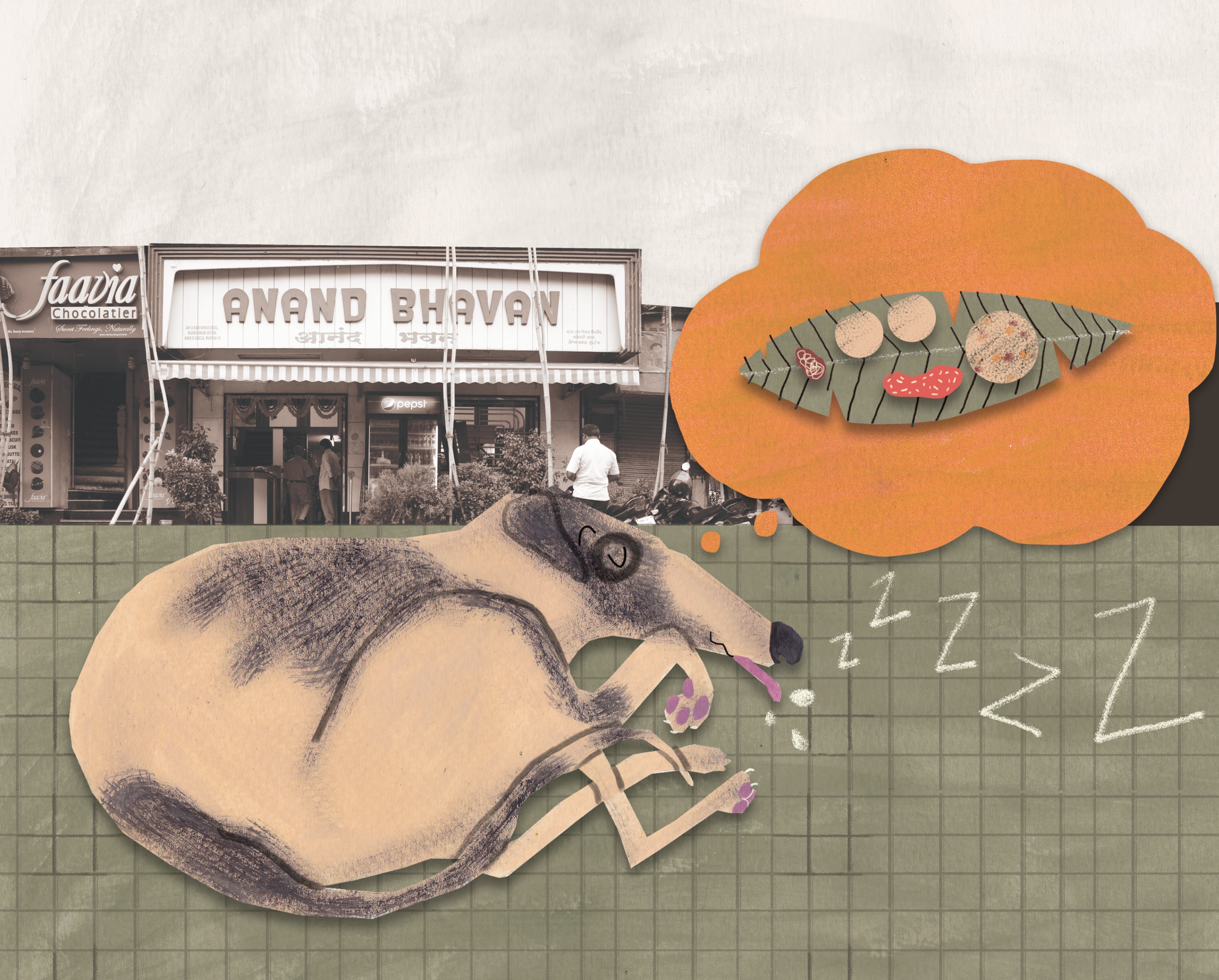
The most unforgettable dog in your book is named Periappa, whose favourite food is idli and dosa. You write, “Every day, he visits three different restaurants for breakfast, lunch and dinner! Periappa is always dreaming about food.” Tell us more about him.
Periappa was a black and white dog, who used to live in Matunga. I got to know him through one of our volunteers. He was very calm. I never saw him bark. Whenever he was hungry, he used to go and stand outside one of the restaurants. The staff would bring him food. He seemed like a gentle and wise creature. Unfortunately, he passed away about three years ago.
I love how you have written about the kindness of security guards, a church manager, a sugarcane juice seller, and street dwellers who feed and look after dogs. How can policymakers take into account this inherent goodness in people while formulating public health guidelines on how to tackle what is often termed as the street dog menace in India?
There are thousands of such stories but people like myself who work in animal welfare organizations have not been able to document them systematically. With our limited resources, we end up prioritizing more urgent day-to-day tasks like rescuing animals in danger, providing medical care, and facilitating adoption. We hope that researchers will take up the work of documenting relationships between community animals and community feeders. This will convince policymakers that the well being of animals and human well being is interconnected.
Your book celebrates the joy that dogs bring into human lives. A dog named Traffic helps cops get hold of people who break traffic rules. Another dog, Hole, sits on the steps of a cinema hall to greet moviegoers. Then there’s Captain who runs in the Mumbai marathon, and Kali who loves to play with children. How did it end up being a fun book?
The credit for this fun element goes to the team at Pratham Books. Bijal Vachharajani commissioned the book, Hashim Badani was the photographer who came with me to meet all the dogs, Sumedha Sah worked on the illustrations, and Shinibali Mitra Saigal edited the book. As we worked together, it became quite clear that we wanted to evoke an emotional connection with the dogs in the book. That would not have been possible with just a big pile of information.
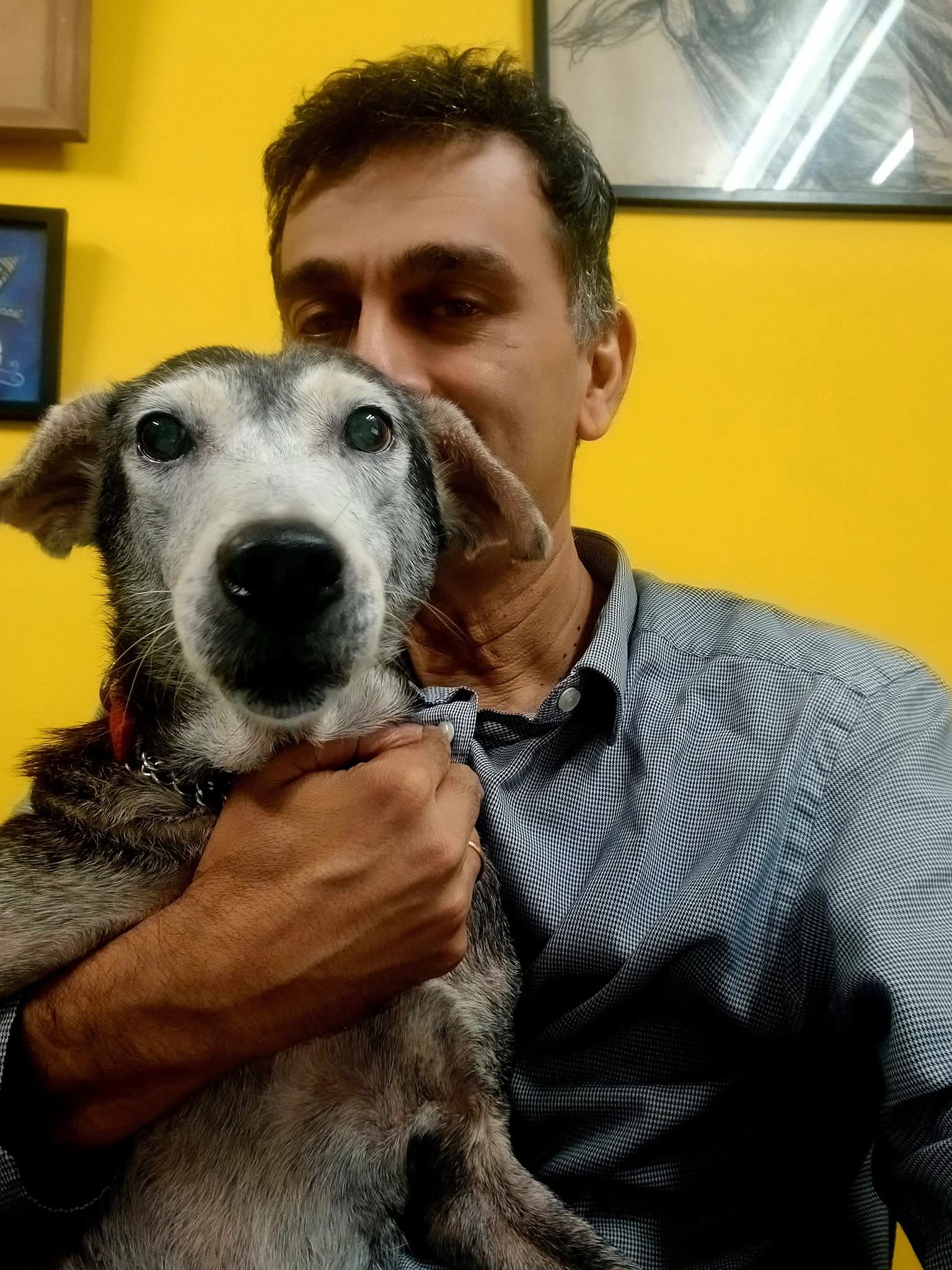
You have been raising funds for Welfare of Stray Dogs through sales of donated books. How did this idea originate? What kind of response have you received?
I used to work in the corporate world before I joined Welfare of Stray Dogs in 1996. I realized that people in India are reluctant to donate towards animal welfare because there are so many other causes that they want to support. Reducing human misery is their first priority, which is natural in India.
Because my grandfather and my mother exposed me to community animals, especially Indies, at an early age, I knew that I had to think of creative ways to raise funds to help them. The idea of a garage sale seemed attractive at first because it did not involve any investment, and people were very generous when they realized that their donations could either save lives or improve them.
It became a regular thing when dog lovers and book lovers began to donate and buy books. We also have volunteers to help us with the collection, sorting, labelling and pricing of books. People also donate clothes, electronics, crockery, cutlery, and artefacts. This also promotes recycling.
Not everyone who participates in the book sale is passionate about dogs but they appreciate that their donated goods or their money is going to contribute to a good cause. When they interact with us, they get more curious about the dogs we support, and that’s our chance for advocacy.
Chintan Girish Modi writes about books, films, art and music. He can be reached @chintanwriting on Instagram and X.


