
 E-Paper



Excerpt: Tuticorin: Adventures in Tamil Nadu’s Crime Capital by V Sudarshan
A fine example of what’s been labelled ‘Malgudi Noir’, this book recounts police officer Anoop Jaiswal’s experiences in Toothukudi district in Tamil Nadu in the 1980s. This extract, a chapter titled The Liquor Sellers of Narikinaru, provides an insight into policing and a picture of the hardscrabble lives of people in rural India

 Prefer HTon Google


There are places that never make it to any map. It is no surprise, then, that in these places, crimes, even grave ones, go unreported.
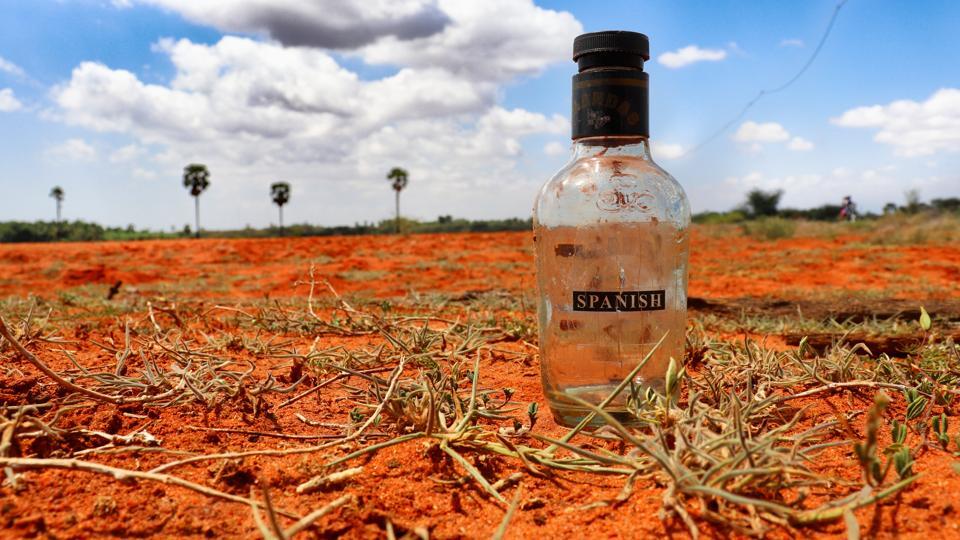
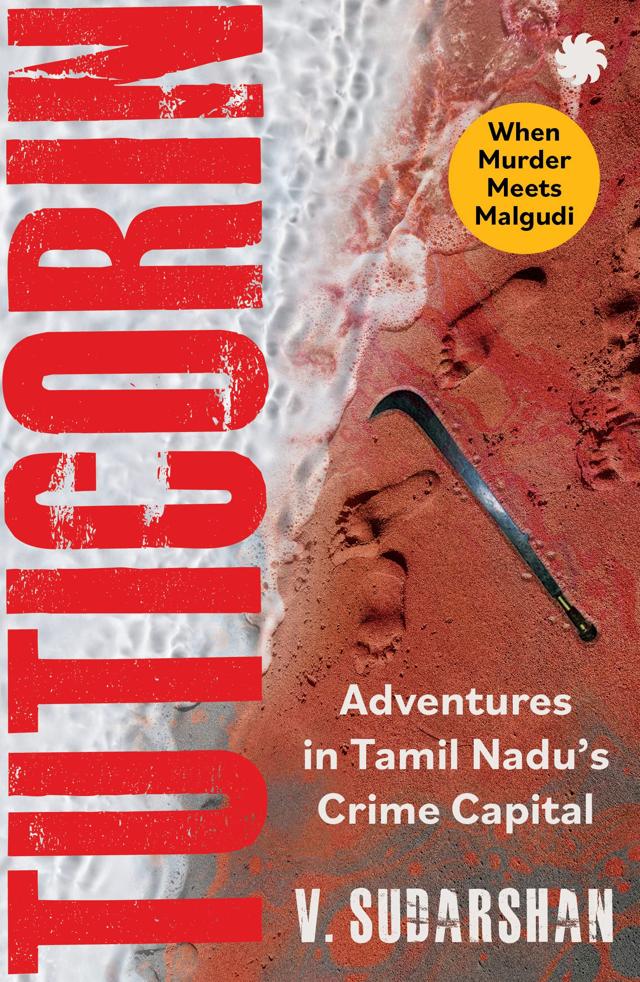
After the Government of Tamil Nadu took over the sale of liquor, whether country-made or Indian-Made Foreign Liquor (IMFL), a new wing called the Prohibition Enforcement Wing was created. It was a little strange, but a state without prohibition had a prohibition enforcement wing in each and every district. Its primary task was to ensure that there was no illegal or private brewing of liquor because that would affect sales in the government’s liquor outlets, and therefore, reduce revenue.
The government would often determine whether the police were doing their job properly, not on the basis of illegal brewing, but by monitoring the sale of liquor in government outlets. Had sales gone down, or gone up?
If sales dipped in any particular district or area, it was presumed that it was because of illegal brewing that was going on there and people were buying the illicitly brewed liquor, which was cheaper. There was pressure on police to conduct raids in areas where sales had fallen.
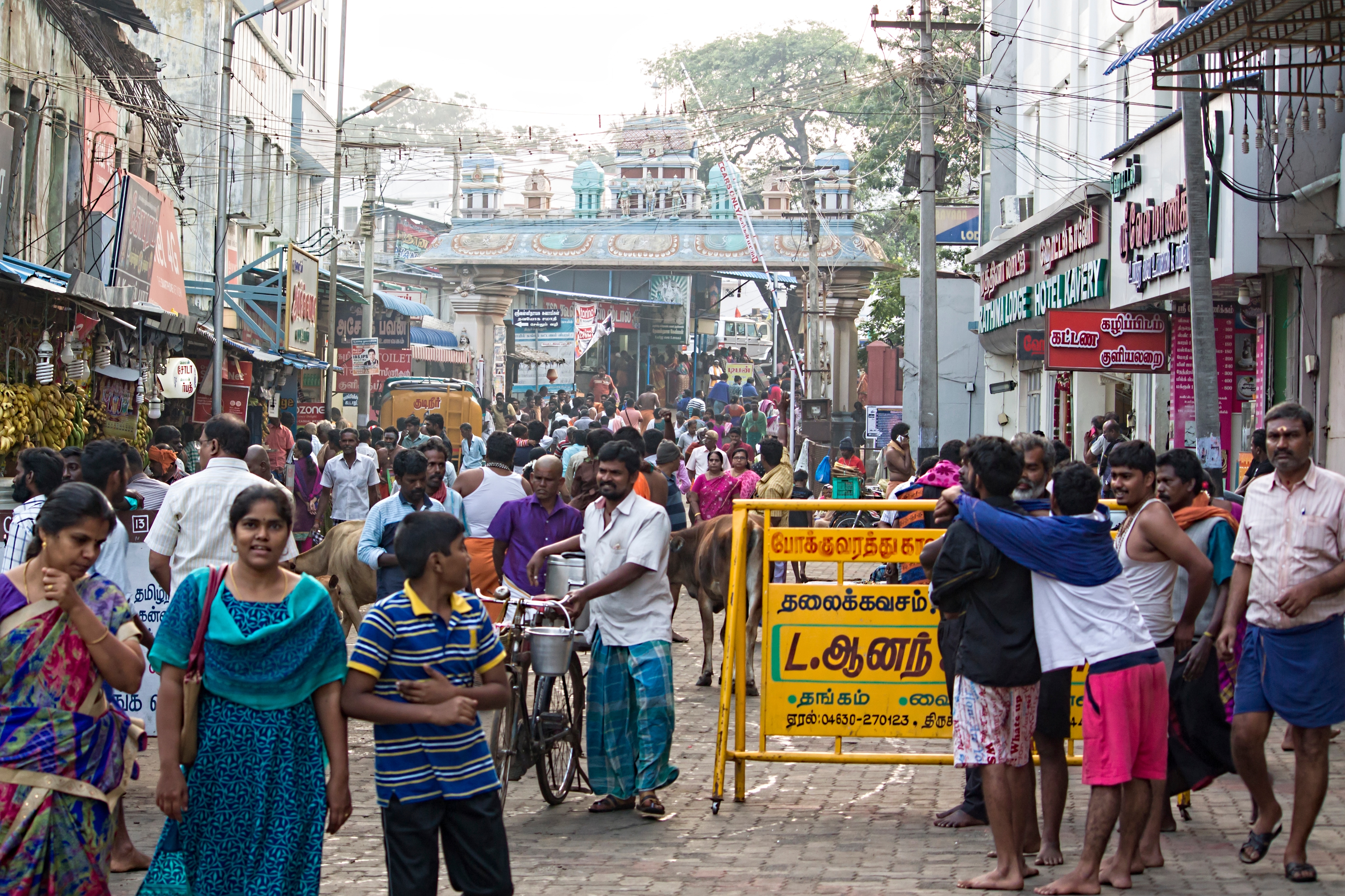
The police chased after the village-level brewing of liquor. In the villages, the method was very simple. Powdered jaggery, mixed with navacharam, a kind of salt, and water, ordinary tube-well water, was left to ferment in a drum for two or three days. They used natural fermentation agents, not yeast. The bark of the marudam tree worked well as yeast. The tree grew locally and the mixture would ferment for two or three days and after that in mud pots or aluminium pots, it was boiled on a gentle flame.
When it started steaming, they covered it with another, larger pot, into which cold water was poured, and through a funnel, the alcohol, which evaporated at seventy or eighty degrees, cooled by the cold water falling on the larger pot, condensed out in drops into a third pot. The alcohol collected was between 20 per cent or 30 per cent proof. Minimum 20 per cent. This was sold.
Many times, the customers would ask, ‘Is it the first wash or the second wash?’ The second wash would be the remnants of the first wash processed again. The first wash was stronger than the second.
At Narikinaru, Jaiswal came to know that there was large-scale illicit brewing going on.
When alcohol is brewed, some of it escapes into the air and you can smell it for miles around; you can tell that alcohol is being brewed in the vicinity. When the police came to know, they went to raid the village. 30 or 40 policemen went to Narikinaru in a bus and in jeeps. The dwellings were scattered, less than a hundred of them. The minute the villagers came to know police were doing a raid, the whole village became almost instantly deserted. All went out into the fields and stood in groups and watched the police from afar.
In the bigger houses, the police found drums of wash. Every hut they entered had two or three pots of wash lying in some corner or the other. Some fires that had not been put out greeted the police and in many of the houses, food lay uneaten as the villagers had abandoned the plates and ran away.
From Narikinaru, all the men had left to find work or a life elsewhere. Only the elderly among the men remained, and the very young. There weren’t enough men even to work in the fields. Women worked in the fields.
It was literally home-brew. After the meal was prepared, the woman of the house would sit down at the same hearth, brew and then distil alcohol. If she got two bottles of alcohol, she was done for the day. Two was the maximum. Each woman added her own flavouring agent, like ripe banana or orange.
These women tied the alcohol bottles with strings to their waist and kept them hidden under their lower garment, the pavadai (the underskirt of the saree). They would take the bus, go out into the market, not in their own village, but to one of the weekly markets, a Wednesday market or a Thursday market, in the nearby villages. They would sell it there in small cups or glasses.
Jaiswal’s raiding party informed him that this method of selling alcohol had a sensual touch, too. The women had to lift their pavadai and then pour the alcohol into cups, and the men who bought alcohol this way had their favourites, either the flash of thigh or the taste of the hooch, or the combination. There was no standardization but the regular customers knew which woman would sell what kind of alcohol. They often waited and bought alcohol from the woman they preferred.
It was very difficult for the police to check the illicit alcohol traffic if it was done this way. Frisking women was a dicey business, unless there were enough women constables to do it, and so the villagers of Narikinaru usually plied their business unhindered and undetected.

The poverty that Jaiswal could see all around him was stark and dismal. This cottage industry helped the villagers to survive while the fields lay almost fallow due to the lack of workforce and other earnings were also meagre.
The police broke the pots they found with the washes, especially from the bigger houses. Looking at the miserable trail of destruction that they were leaving behind, Jaiswal felt wretched after a while. What could be a bigger crime against Narikinaru except for the crushing poverty that he saw all around? Jaiswal ordered the police back into the vehicles, their job only partially done, and the men in uniform headed back to civilization, leaving Narikinaru to itself.


