
 E-Paper



HT Picks; New Reads
The reading list this week includes a book on those who have adopted MK Gandhi’s ideology to bring about social change, a new edition of an old classic on the 17th century Maratha master mariner, Kanhoji Angrey, and a volume that looks at why the southern states are outperforming the rest of the country and the consequences of this in an increasingly centralized nation

 Prefer HTon Google


In the Footsteps of the Mahatma
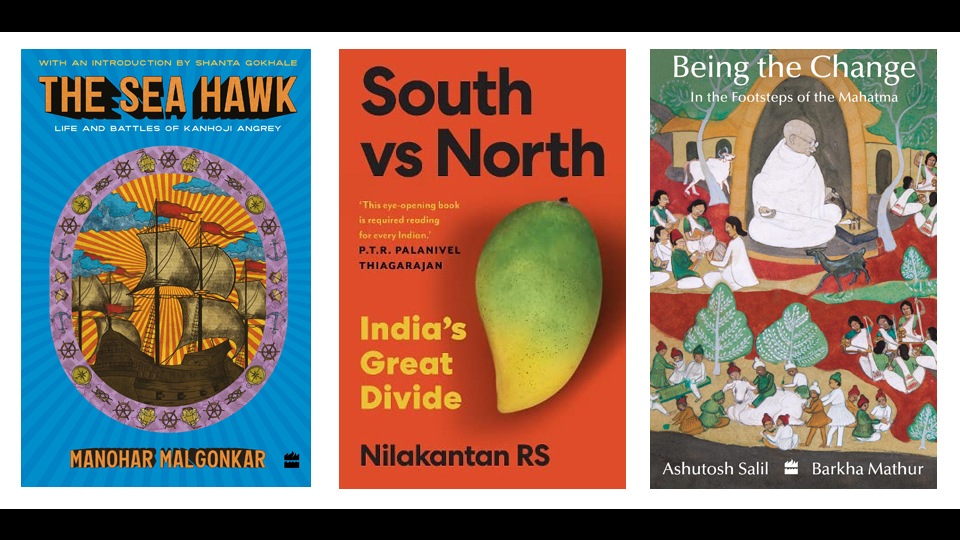
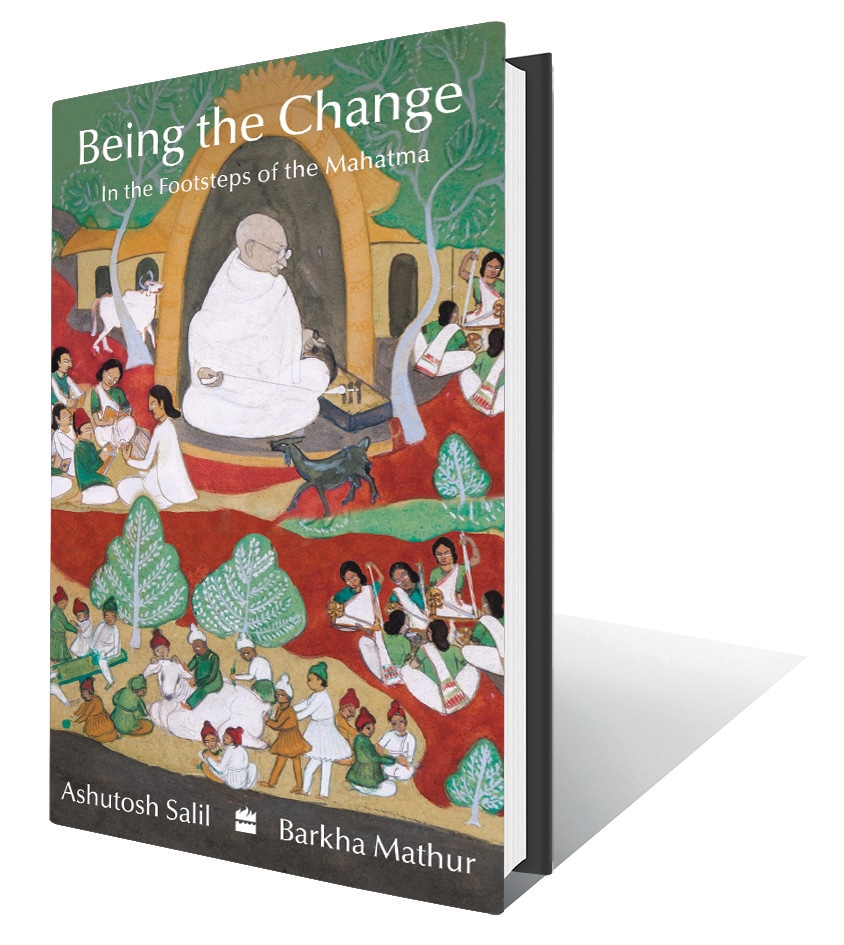
This book tells the stories of social justice warriors who are quietly powering the country’s progress by being agents of real change. Words Mahatma Gandhi lived by -- such as “India lives in villages and to serve the poor we will have to serve in the villages” or that “truth may get troubled but it never gets defeated” -- are their moral compass. They have shown by personal example how adopting Bapu’s ideology as a way of life can be personally enriching and socially beneficial.
The people in this book mostly work away from the spotlight. Through entirely Gandhian ways, they have proved that his methods, such as satyagraha, still help effect real change and progress for the people most in need. Many have won awards and recognition, but largely their stirring stories have remained untold -- a gap that Being the Change seeks to fill.*
Life and Battles of Kanhoji Angrey

It’s seventeenth-century India and Chhatrapati Shivaji’s dominion has been firmly established over the Deccan peninsula. Troubled by the mounting European threat along the Konkan coast, the Maratha empire turns to Kanhoji Angrey, master mariner, excellent swordsman and astute strategist, to lead its navy. For the next few decades, until his death in 1729, no matter who rules the land or lords over the trading settlements, none can defy Kanhoji’s hold over the waters of the Konkan coast.
Join Kanhoji on his many adventures and naval campaigns as he courts danger and evades capture. Manohar Malgonkar’s thrilling storytelling in The Sea Hawk brings to life this “Lord of the Konkan”.
Long out of print, this Indian classic is once again available in a new edition.*
India’s great divide
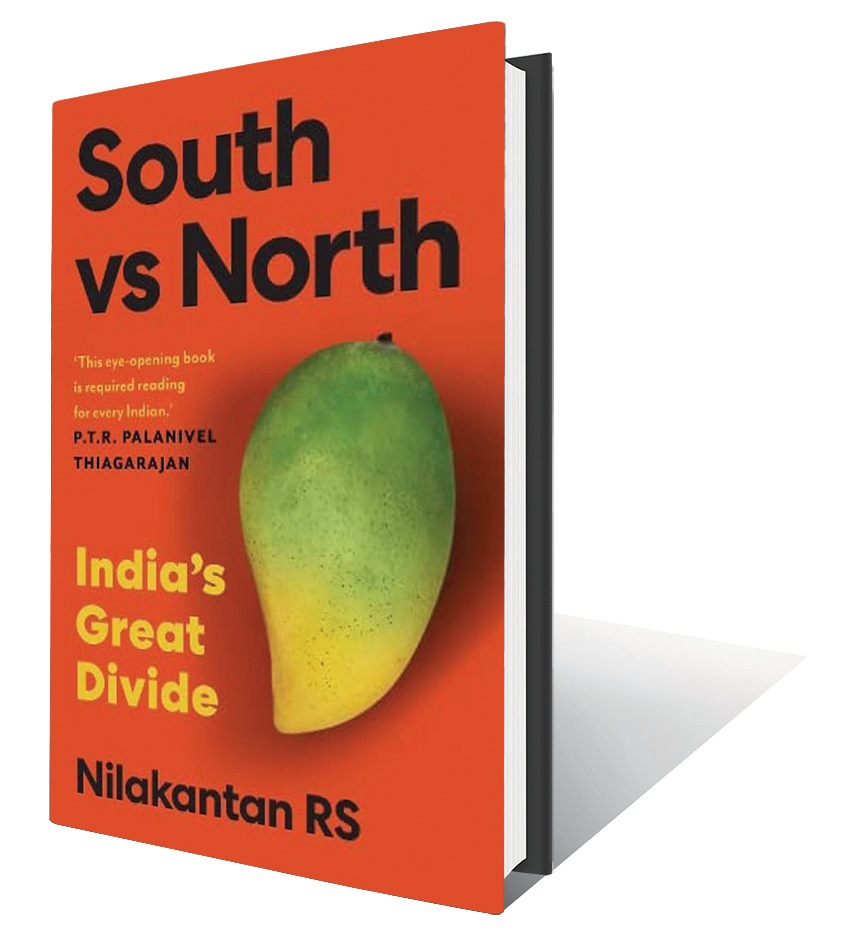
Compare two children – one born in north India, the other in the south. The child from south India is far less likely to die in the first year of her life or lose her mother during childbirth. She will also receive better nutrition, go to school and stay there longer; she is more likely to attend college and secure employment that pays her more. This child will also go on to have fewer children, who in turn will be healthier and more educated than her. In a nutshell, the average child born in south India will live a healthier, wealthier, more secure life than one born in north India.
Why is south India doing so much better than the north? And what does that mean?
In this superbly argued book, data scientist Nilakantan RS shows us how and why the southern states are outperforming the rest of the country and its consequences in an increasingly centralized India. He reveals how south India deals with a particularly tough set of issues – its triumphs in areas of health, education and economic growth are met with a policy regime that penalizes it; its success in population control will be met with a possible loss of political representation. How will the region manage such an assault?
Hard-hitting, troubling and full of fascinating data points, South vs North is an essential book about one of the biggest challenges that India faces today.*
*All copy from book flap.


