
 E-Paper



HT Picks; New Reads
On the reading list this week is a detailed biography of the legendary singer Kishore Kumar, a significant personal account of the Indian freedom movement, and a volume on Manipuri cinema in its golden jubilee year

 Prefer HTon Google


The story of the voice of a generation
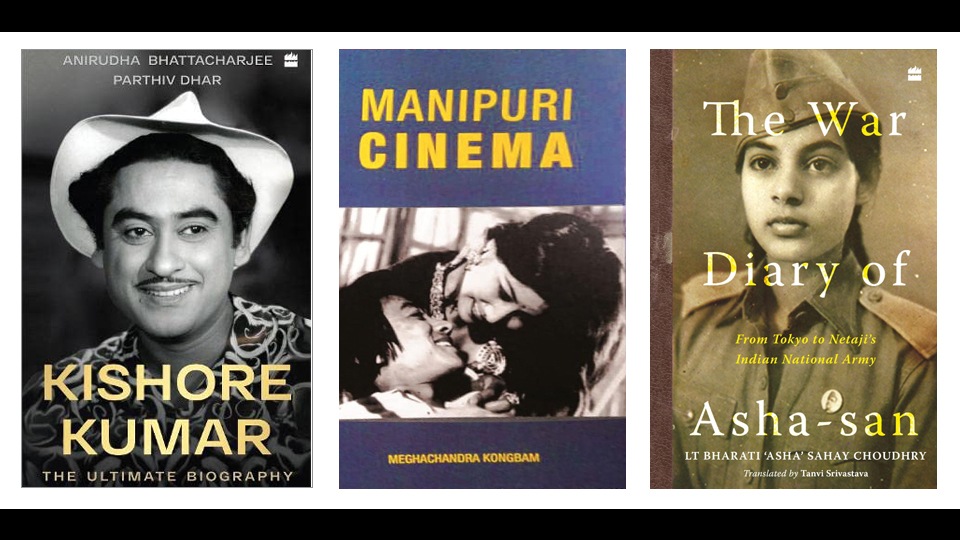
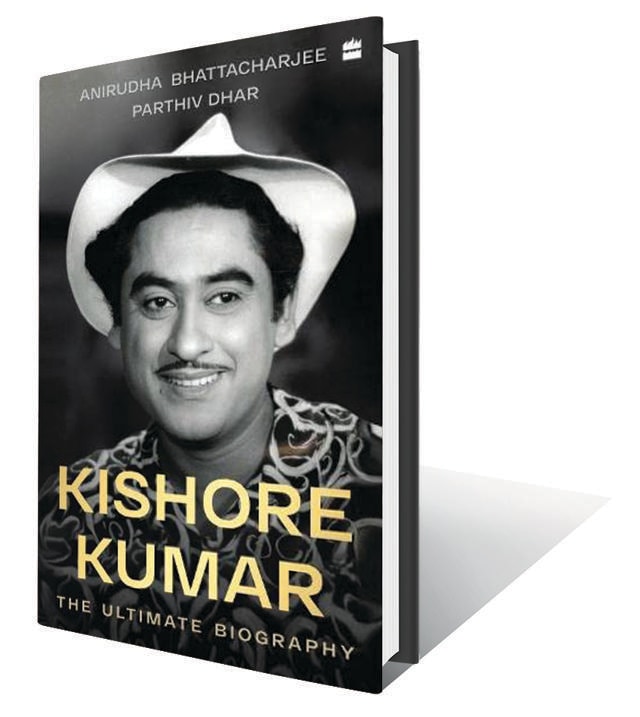
He was the most outrageous performer of the Hindi film screen – loved for his voice, adored for his comedy, and famous for his eccentricity. His big-screen performances – such as Half Ticket, Pyar Kiye Jaa, Padosan – could make you laugh hard, but his songs – like Koi humdum na raha, Badi sooni sooni hai, Ghungroo ki tarah – could make you cry. This is the story of the voice of a generation, the legend – Kishore Kumar. Beginning with his time spent in Khandwa, Bhagalpur and Indore and going on to Bombay where Kishore moved to try his luck in cinema, this new biography tells it all. A product of over 30 years of research, it goes beyond Kishore’s nearly 3000 songs and his varied contributions to cinema, and reveals unknown facts about his four marriages, his run-ins with the government in the 1970s, and his health issues. Kishore Kumar: The Ultimate Biography celebrates the music, the films and the genius of Kishore in the most definitive way for a new generation of readers.*
From Tokyo to Netaji’s Indian National Army
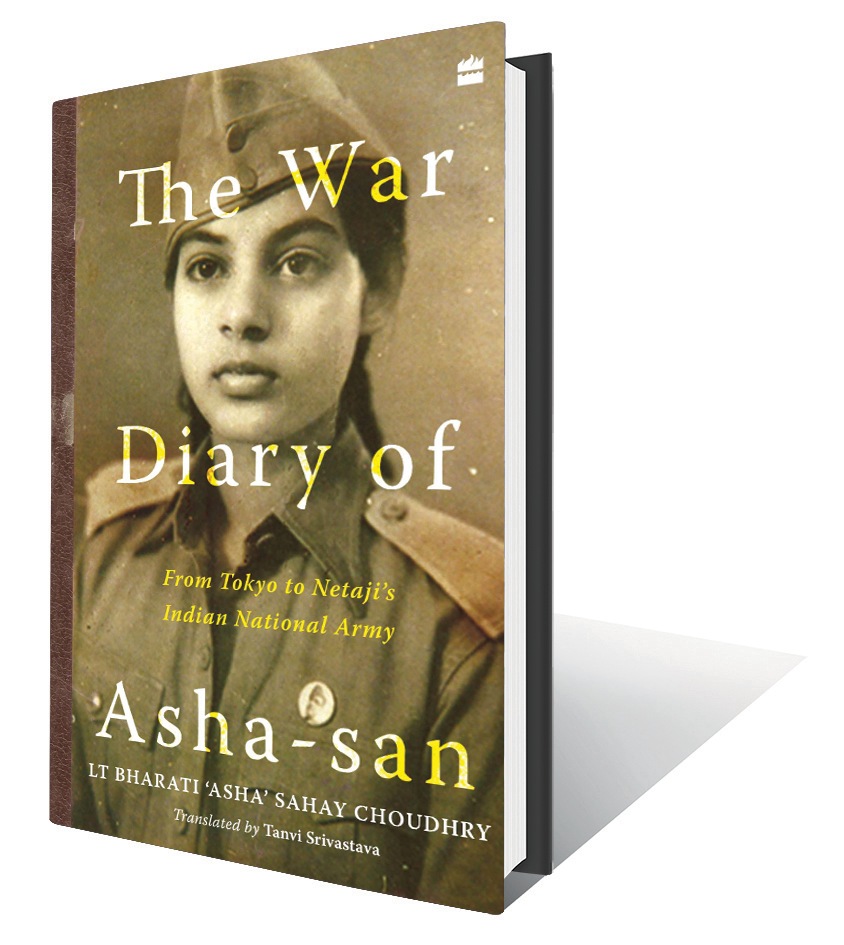
In June 1943, 17-year-old Bharati “Asha” Sahay, a headstrong Indian teenager living in Japan during the Second World War, decides to join the Rani of Jhansi Regiment of the Indian National Army after meeting Subhas Chandra Bose. She starts to jot down her thoughts in a diary, and thus begins one of the most significant personal accounts of the Indian freedom movement.
Together with her father, Anand Mohan Sahay -- a close companion of Bose -- and others committed to the cause of Indian independence, Asha forges a path that takes her from war-torn Tokyo to the jungles of Thailand. She learns how to hold a rifle and shoot the enemy, and she discovers what it means to be a patriot fighting for the liberation of a country she has no memories of but carries deep in her heart.
Written in Japanese between 1943 and 1947, and translated into English for the first time by Tanvi Srivastava, The War Diary of Asha-san is a memoir of courage, honour and love, by a young girl who must grow up quickly in the midst of war.*
Against the odds
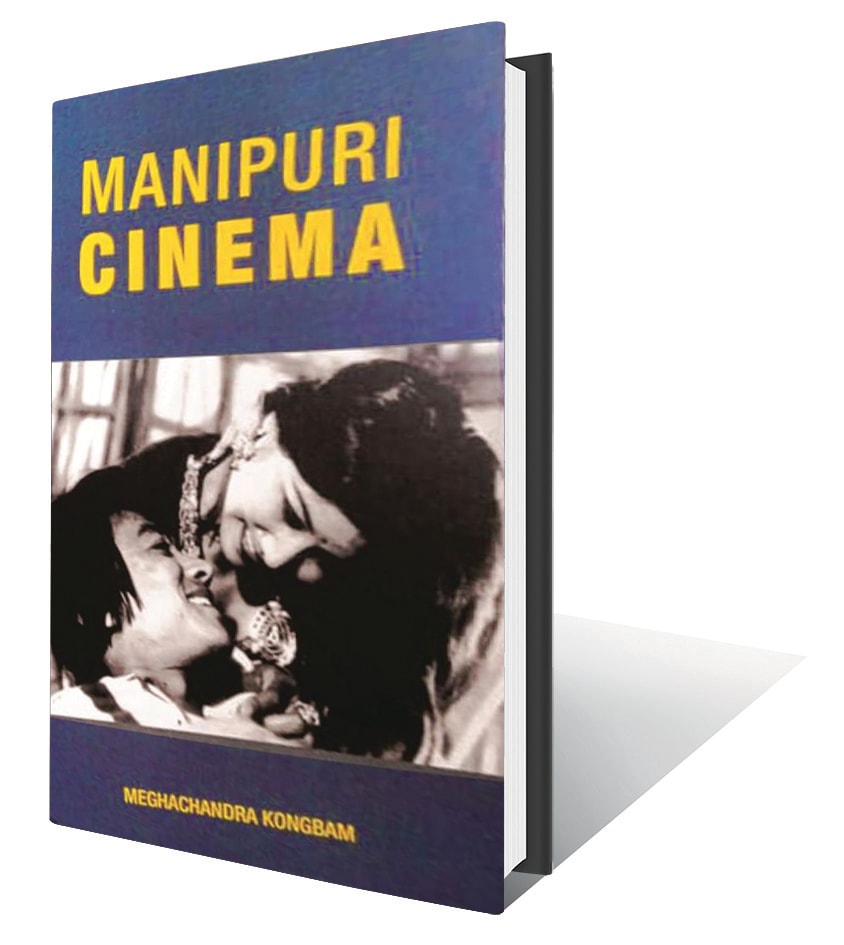
It’s been 50 years since the first Manipuri feature film Matamgi Manipur was released. Made with equipment, technicians and a director hired from Calcutta, it went on to win the President’s Silver Medal at the 20th National Film Awards. The 1990s and the early 2000s were the zenith of Manipuri cinema with the state producing about seven films per year screened in 60 cinema halls. The advent of cable TV and video had led to the some problems in the 1980s. Another crisis enveloped the film industry following the ban enforced by insurgents on screening Hindi films in local cinema halls. Other hurdles have also presented themselves in the digital era. Things are now looking up with new Manipuri films being screened at international film festivals and winning the National Award (Eigi Kona, 2019). As film critic and author of this book, the first ever on Manipuri cinema, Meghachandra Kongbam pronounces in his introduction, “Very rough weather never stops the sailing of the boat in the vast ocean”. This book provides a comprehensive picture of the successes and challenges of Manipuri cinema from its beginnings to the present.*
*All copy from promotional material.


