
 E-Paper



HT Picks; New Reads
This week’s list of interesting reads includes a memoir on the pleasures of bibliophily, a book that looks at the history of human migration, and the Maruti Suzuki story told through the voices of the workers

 Prefer HTon Google


A Memoir of Collecting Rare and Fine Books
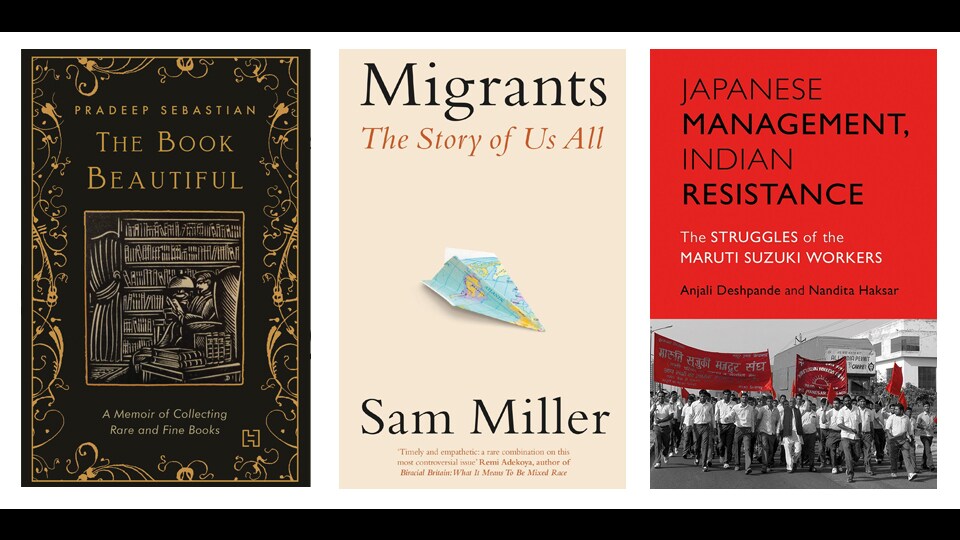

Until 2015, Pradeep Sebastian was a contented bibliophile, quite far from the serious book collector anxiously checking his email alerts. Things, however, took a dramatic turn when he chanced upon fine press books – printed on a handpress, from metal type pressed into dampened handmade paper, the tactility and typographic beauty of letterpress books instantly captivated him. There was no looking back.
In absorbing prose, the author retraces his fulfilling journey of collecting fine books online, his new-found love for modern calligraphic and illuminated manuscripts, and his discovery of the masters of bookmaking – be it the cloistered nuns who printed impeccable fine press books, or the famous printer who lived in a one-room apartment at a YMCA with his small handpress tucked under his bed.
Peppered with vivid anecdotes and delightful conversations, The Book Beautiful is as much about the love for fine books as it is about the pleasures of bibliophily – the camaraderie between fellow collectors and dealers, bibliographic connoisseurship, the thrill of the chase, and the joy of striking a juicy bargain.*
The Story of Us All
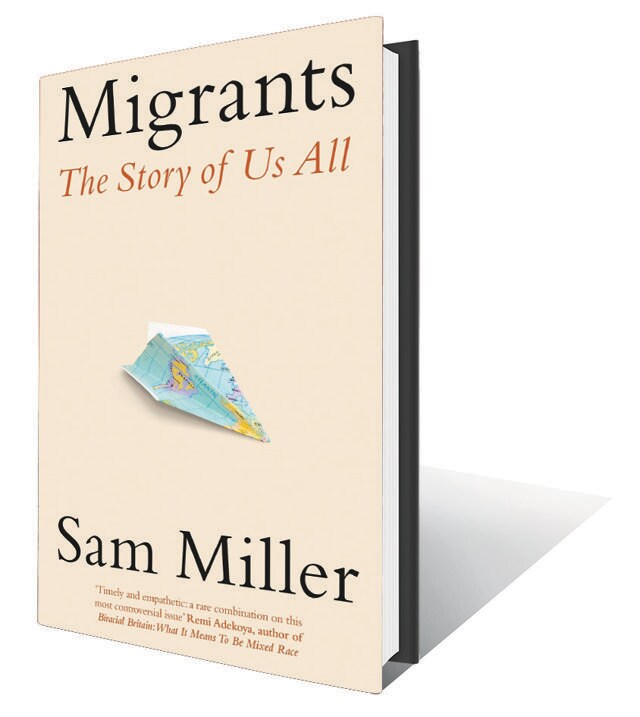
We are all descended from migrants. Humans are, in in fundamental ways, a migratory species, more so than any other land mammal. Migration is one of the most toxically controversial subjects of our day, but it is not only an issue of our age. Migrants are expected to assimilate and encouraged to remain distinctive; to defend their heritage and adopt a new one. They are sub-human and super-human; romanticised and castigated, admired and abhorred. Migration tells us that this is not a new narrative; this is the history of migration, which is part of everybody’s backstory - for those who consider themselves migrants and those who do not.
For most of our existence as a species, we were all nomads, and some of us still are. Houses and permanent settlements are a relatively late development - dating back little more than 10,000 years. Borders and passports are much more recent. From Neanderthals, to the Ancient Greeks, to the African slave trade, to modern migrants, Migrants shows us that it is only by understanding how migration and migrants have been viewed in the past, that we can re-set the terms of the modern-day debate about migration.*
The Struggles of the Maruti Suzuki Workers
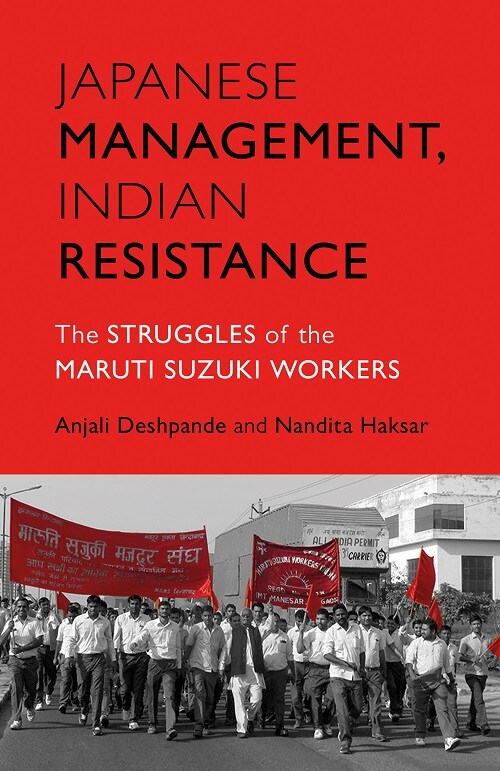
Violence broke out on 18 July 2012 at the Manesar plant of India’s largest car manufacturer, Maruti Suzuki. A manager died, and 90 other managers and hundreds of workers were injured. Within days, over 2,000 temporary and 546 permanent workers were dismissed by the company, and 13 of them — including the entire leadership of the workers’ union — were later charged for murder, thus destroying yet another body for collective bargaining.
Unions are the last line of defence workers have in modern industries, especially when the management isn’t averse to undermining their rights, dignity and health in pursuit of higher profits. At the Maruti Suzuki factory, the Japanese style of management had reduced workers to mere cogs in a production chain where men and robots worked side by side. Workers would get just a seven-and-a-half-minute break from physically demanding work, for instance — precise to the hundredth of a second — to run to the toilet half a kilometre away, then force a samosa and hot tea down their throat and rush back to the assembly line. In this mercilessly efficient process that the workers found themselves in, they sought to form their own independent unions. They didn’t want the bureaucratic control and compromise of older, established unions. But the representative bodies they set up were all crushed, sometimes in collusion with the government.
The often misrepresented events of July 2012 were thus far from an isolated incident. But few people today, as then, are willing to see the matter from the workers’ point of view. To ask if those accused of committing violence received a fair trial, or understand the dehumanizing pressures that they were subjected to. This book is one of the first to tell the Maruti Suzuki story through the voices of the workers. Interviewed over three years, they tell us of their resistance to being turned into robots by an uncompromising management, and the price they were made to pay for it. Their story is not only that of a union fighting for workers’ rights; it is a glimpse into the new India that is emerging: a welfare state transforming into a corporate state, in which profits trump the rights of citizens.*
*All matter from book flap.


