
 E-Paper



HT Picks; New Reads
On the reading list this week is a memoir that recalls the full story of a historic action undertaken by members of the UP IAS Officers Association in the late 1990s, a whodunnit that starts off with a death on the night of Karwa Chauth, and an enquiry into the diverse cultures and peoples of Assam

 Prefer HTon Google


An experiment in self purification
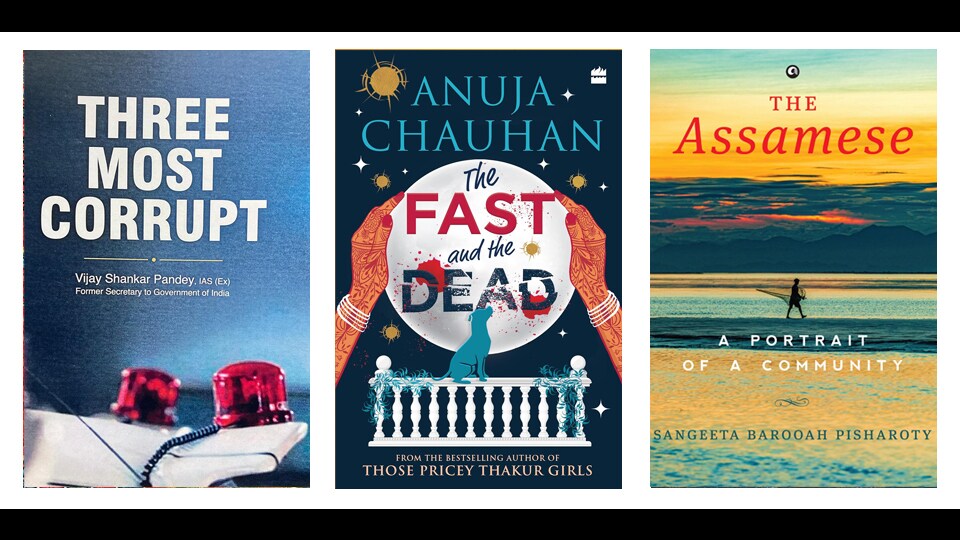
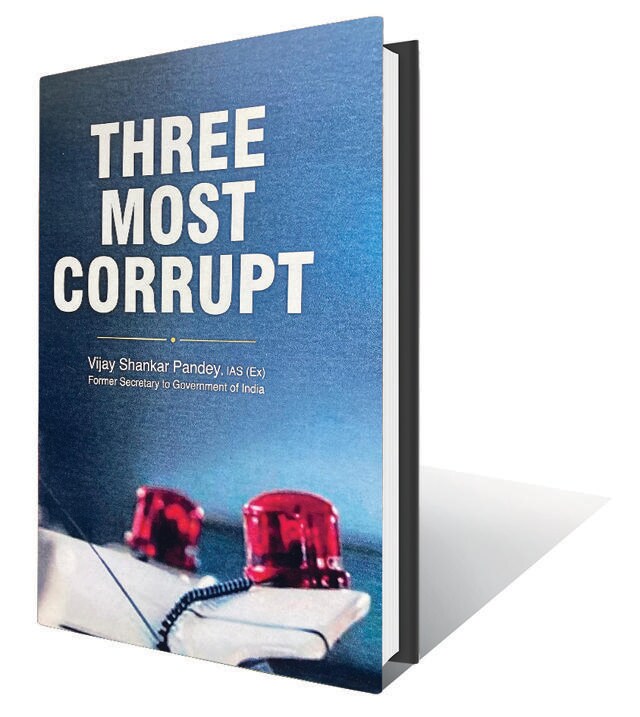
The book is an attempt to tell the full story of the historic action undertaken by the officers of the Uttar Pradesh IAS Officers Association in selecting the three most corrupt officers among themselves, in 1996 and 1997, through voting by secret ballot. The aim was to address the rising tide of corruption and mal governance afflicting the administration of the state of Uttar Pradesh. The election of three most corrupt IAS officers of the state by serving members of the most elite and powerful public service in the country was an unprecedented experiment in self purification. It was scarcely believable that such a thing was possible even at the time it took place. With the passage of time and with the direction governance and administration has since taken, it seems downright impossible to even think of something like it today. Though parts of the story are quite well known, all the details have not been made public as many key players were still in service. Most of the leading actors in the story have, however, retired. The author spearheaded the campaign to organize a secret ballot to select the “teen mahabhrast” and was at the centre of all the discussions and meetings preceding the first vote on 14 December 1996 and hence is uniquely placed to lift the veil on this unique experiment. The book starts with the author’s personal experiences as an officer recruited into the IAS and allotted his home state of Uttar Pradesh coming face to face with brazen loot and corruption in his initial posting in the far flung areas of eastern Uttar Pradesh.*
Murders most meticulous
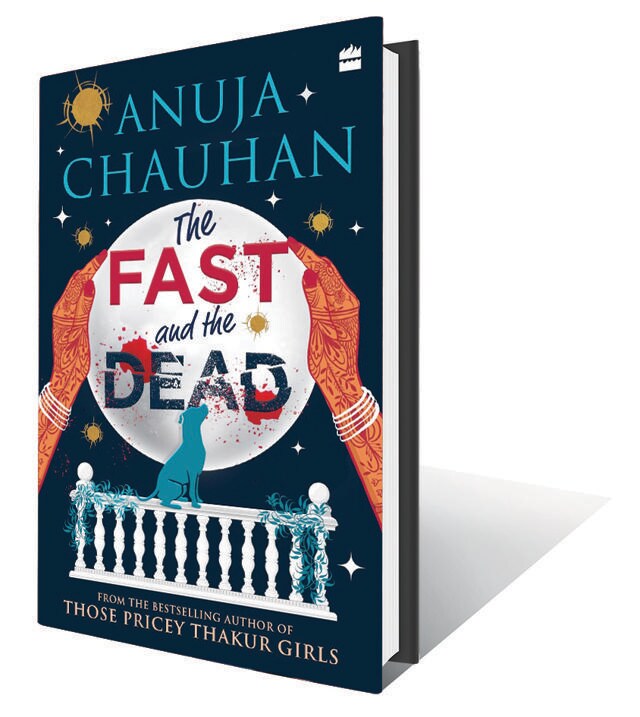
All of Habba Galli, Shivajinagar, is disturbed when eccentric Dondi Pais empties her double-barrelled shotgun to scatter a pack of noisy mongrels on Karwa Chauth night. But their distress turns to shock the next morning when it is discovered that one stray bullet has ploughed into the skull of a sour, spiteful jeweller, leaving him quite definitely dead.The more devout residents immediately recall how, the previous afternoon, the jeweller’s wife of 30 years had broken her fast well before the appearance of the sacred Karwa Chauth moon. “Aiyyo,” they whisper, “she’s gone and angered the Goddess!”But several mere mortals have motives too – including rising Bollywood star Haider Sait, back in Shivajinagar to visit his widowed mother and still eager to charm Habba Galli hottie Jhoomar Rao, now newly poor, newly single and a veterinary surgeon.By a happy coincidence, ACP Bhavani Singh is on hand to investigate. But as corpses start piling up in the bustling bazaar, will the canny old policeman be able to prove his powerful hunch – that these deaths are not accidents, or by the hand of the goddess, but a sinister case of murders-most-meticulous?*
Where the Red River runs
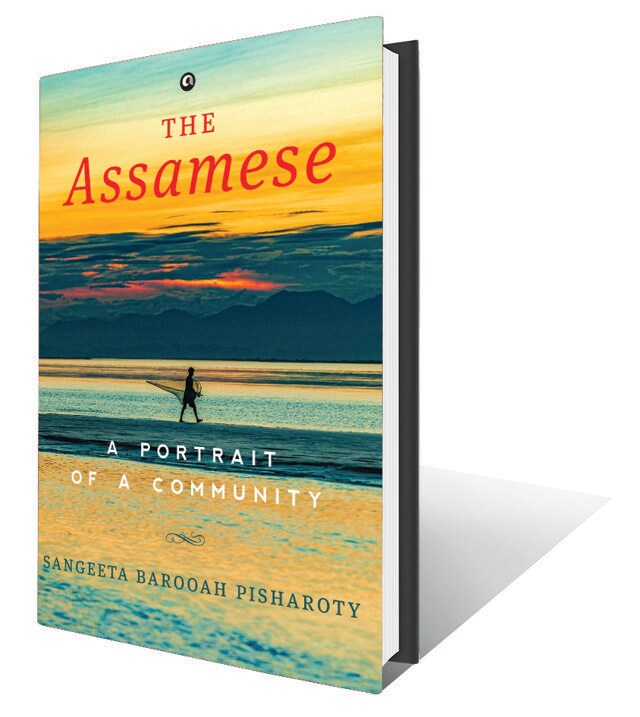
Aami kun? Who are we?’So begins journalist Sangeeta Barooah Pisharoty’s enquiry into the diverse cultures and peoples of Assam. Her book looks in detail at all the varying aspects of the land and its people — the astonishingly diverse physical appearance of the Assamese and what it reveals about their origins; the multiple kingdoms and rulers of the region from antiquity onwards, of whom the Ahoms are the best known; the Assamese language and its rich linguistic provenance; the folk beliefs and celebrations of Assamese culture, such as the three Bihu festivals, which cut across boundaries of caste and religion; the significance of the mighty Brahmaputra, the Red River, in the lives of the people; the quintessential food, drink, and cooking techniques to be found across the region; the many distinctive forms of cultural expression that are found nowhere else in the country — clothes, jewellery, literature, music, dance, cinema, drama, and art; and, finally, the politics of the state and how it informs the nature of contemporary Assam.Full of colourful anecdotes and unforgettable pen portraits, The Assamese is the first major attempt to provide a comprehensive and nuanced portrait of one of India’s oldest and most distinctive communities.*
*All copy from book flap


