
 E-Paper



HT Picks; New Reads
On the reading list this week is a collection is literary journalism at its finest, a book that lays out the vexed place of women’s sexuality in the Indian patriarchal imagination, and a volume that looks at the history of the Indian subcontinent by focusing on the everyday lives of ordinary people

 Prefer HTon Google


Through the eyes of a poet
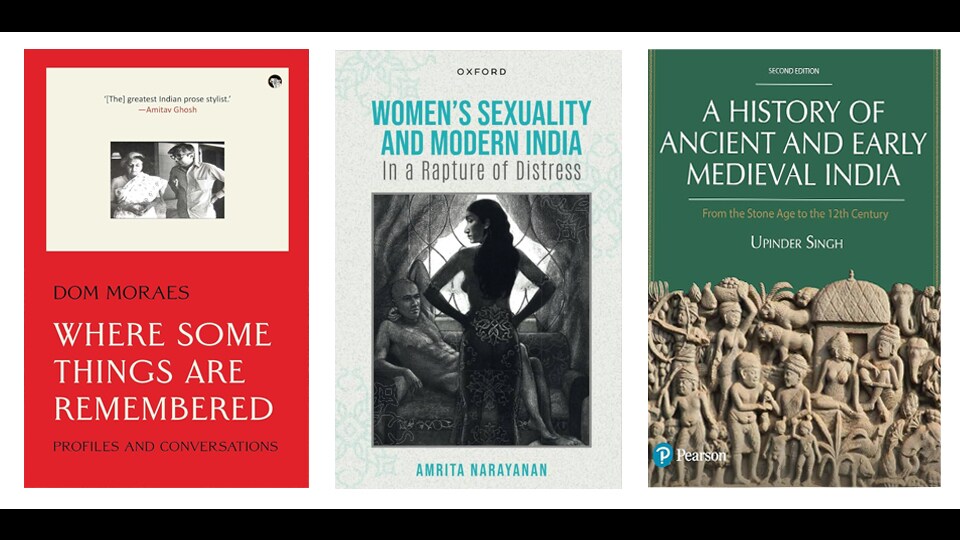
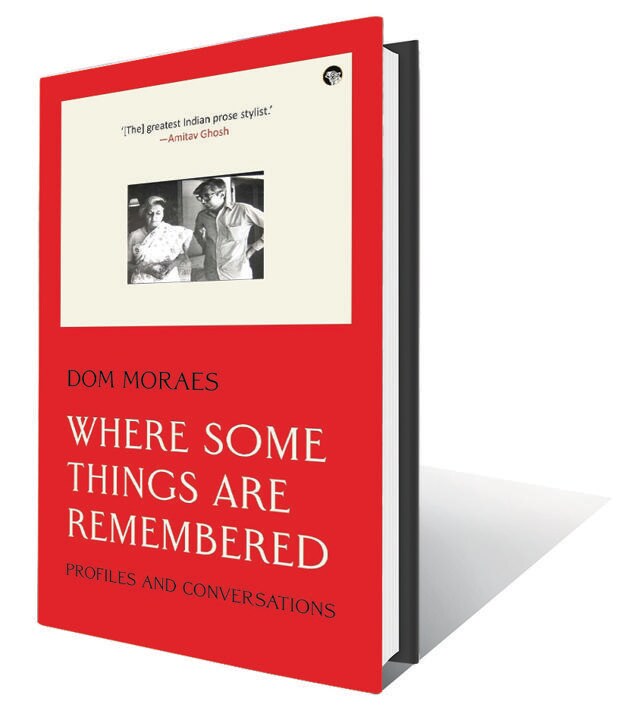
Dom Moraes was not only one of the finest poets of the twentieth century, he was also an extraordinary journalist and essayist. He could capture effortlessly the essence of the people he met, and in every single profile in this sparkling collection he shows how it is done. The Dalai Lama laughs with him and Mother Teresa teaches him a lesson in empathy. Moraes could make himself at home with Laloo Prasad Yadav and he could exchange writerly notes with the novelist and intellectual Sunil Gangopadhyaya. He was Indira Gandhi’s biographer — painting her in defeat, post Emergency, and in triumph, when she returned to power. He tried to fathom the mind of a mysterious “super cop” KPS Gill and also of Naxalites, dacoits and ganglords.
This collection is literary journalism at its finest — from an observer who saw people and places with the eye of a poet and wrote about them with the precision of a surgeon.*
Adhesives to the patriarchal psyche
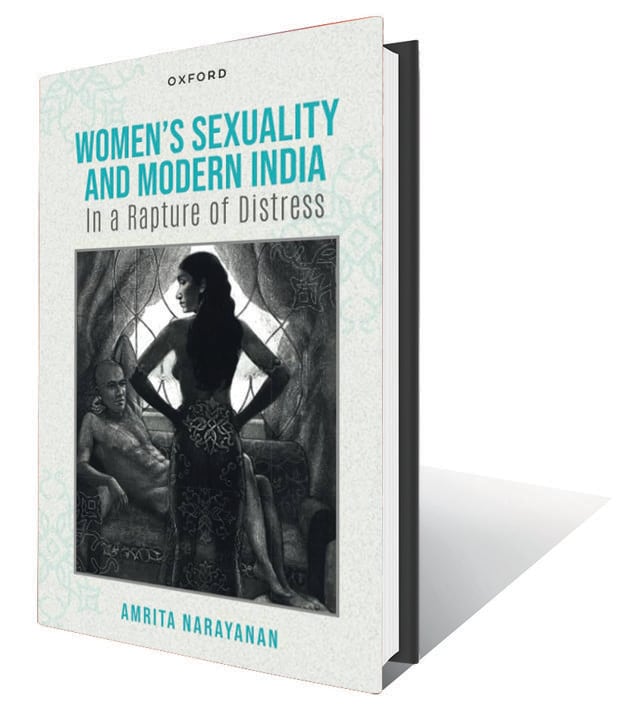
Every country has a unique relationship to patriarchy. Women’s Sexuality and Modern India lays out the vexed place of women’s sexuality in the Indian patriarchal imagination, alongside snapshots of how individual middle class Indian women experience and imagine their sexuality. The book’s argument is that women’s long standing adaptations to patriarchy make it complicated for them to exit its plot: aesthetics, mother-daughter relationships and inter generational differences are adhesives to the patriarchal psyche. Using interview excerpts, flash frames from psychotherapy sessions, and literary readings, the author – a psychoanalyst and clinical psychologist – describes how women experience, escape from, and grieve sex under patriarchy and what geography might have to do with how sexual liberation gets defined.*
The subcontinent’s history across millennia
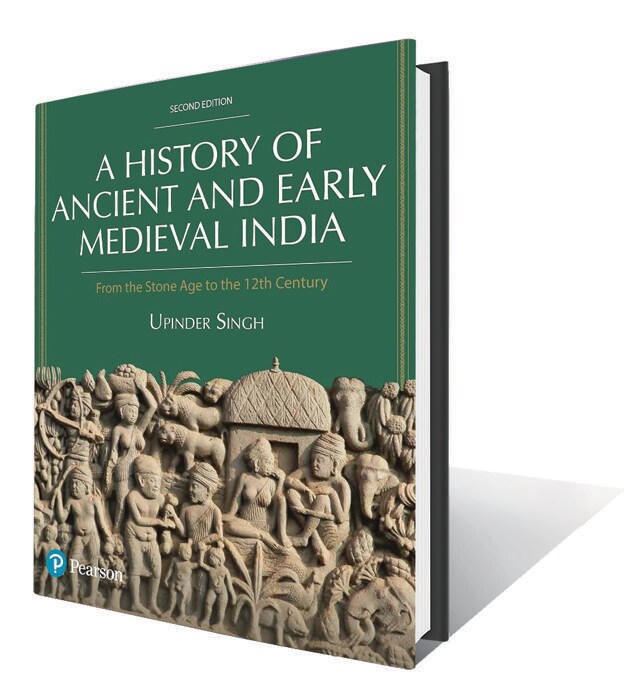
Established as a classic in its first edition, the second edition of Upinder Singh’s A History of Ancient and Early Medieval India, incorporates the latest discoveries, research, and insights in the field. Drawing on a vast array of textual, archaeological, and visual sources, it weaves together discussions of politics, economy, society, religion, philosophy, art, and ideas into a seamless narrative. The book reveals the complex and dynamic history of the regions of the subcontinent across millennia by focusing on macro-level changes as well the everyday lives of ordinary people. Widely acclaimed as an excellent introduction to the subject for general readers as well as the most comprehensive and authoritative textbook for undergraduate and postgraduate students, this classic maintains its reputation of offering a lucid, detailed, and balanced exposition, equipping readers with skills to critically assess historical evidence, arguments, and debates.*
*All copy from book flap.


