
 E-Paper



HT Picks; New Reads
On the reading list this week is a book that envisages a work environment that’s effective across the physical–digital divide, an account of a large and socially complex Indian state, and the biography of a remarkable woman who dreamt of an India free of poverty, caste oppression and gender disparity

 Prefer HTon Google


Balancing the physical and the digital
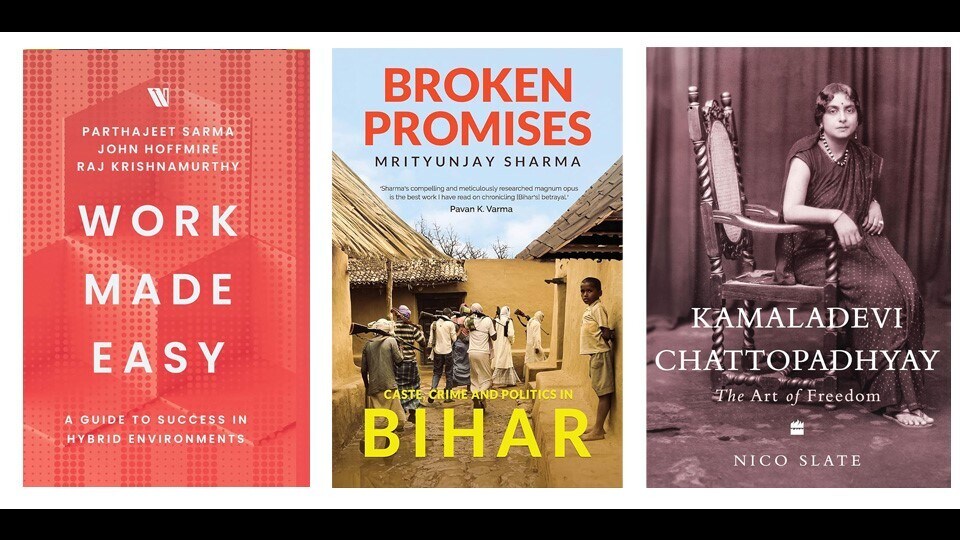
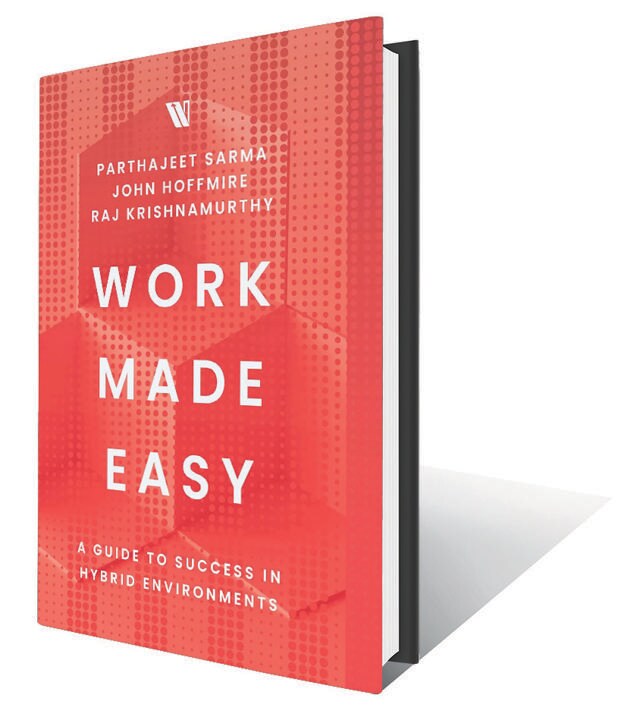
Feeling lost in the hybrid work maze? Struggling to keep up with the rapid pace at which AI is developing? Still shaken from the dramatic changes that the COVID-19 pandemic wrought?You are not alone. The modern workplace is a blend of the digital and the physical, with employers and employees seeking a way to balance the two. As millennials and Gen Z, with their drive for “experience”, dominate these spaces, a change of mindset is needed, and fast.Work Made Easy envisages a more relatable work environment, one that works across employee–employer, age and physical–digital divides. As Parthajeet Sarma, John Hoffmire and Raj Krishnamurthy think through the ways in which the gap between the ease of virtual platforms and the human touch of physical offices can be bridged, they unlock potent secrets.Written as much for organisational leaders and workplace-enhancement consultants as it is for employees, this book is loaded with practical advice. There are tips on, among other things, how to seamlessly navigate the hybrid world, how to embrace AI as a helpful ally, and how to make the workplace experience your own. Undergirding all of this practical advice is the authors’ five-point action plan: research, recognise, ideate, pilot and implement.A thriving, adaptable workplace, high employee satisfaction and higher efficiency — Work Made Easy lays out actionable steps towards these goals of true workplace transformation.*
The story of a state
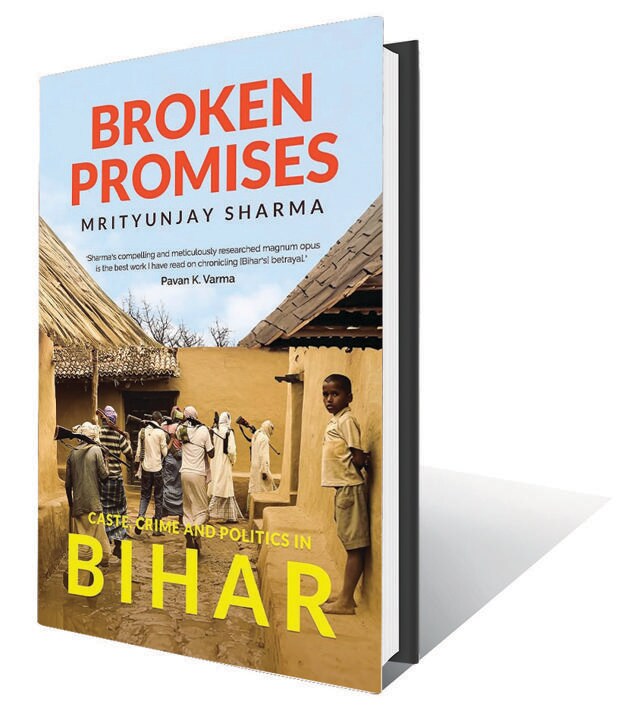
Broken Promises tells the story of Bihar’s plunge into an abyss of crime, corruption and economic ruin during the tumultuous decade of the 1990s, often referred to as the “Jungle Raj” years. How did a land, once the cradle of civilisation, devolve into a byword for the worst of India as described by The Economist in 2004?Mrityunjay Sharma traces the post-Independence socio-politics of Bihar and the momentous events leading up to the 1990s: the unravelling of long-standing Congress governments, the rise of OBC assertion with Lohiaite politics, the JP movement that put the spotlight on young leaders like Lalu Yadav and Nitish Kumar, Karpoori Thakur’s reservation formula, the rise of Naxal movements and the entry of socialist governments. 10 March 1990, the day Lalu took oath, was one of hope for millions in the state battered by poverty, caste atrocities and inequality. The political triumph of Lalu, a vociferous champion of the marginalised, as a reaction to centuries of oppression and the promise of upliftment and inclusion, ironically, worsened the socio-economic disparities in the state, accompanied by grave misgovernance, flourishing crime syndicates and caste armies, and the centre-staging of formidable bahubalis in politics.Deeply engaging and richly insightful, Mrityunjay Sharma’s Broken Promises is not just a book about Bihar for Biharis. It is an eye-opening account of a large and socially complex participant in India’s democracy, any shift within which sends ripples across national politics.*
Building bridges; crossing divides

In 1947, Kamaladevi Chattopadhyay made an unexpected visit to a gloomy government building in New Delhi to confront one of the gravest crises facing the newly independent nation — the fate of the millions of refugees pouring in from across the borders with Pakistan. She had no official standing but managed to play a key role in the creation of a model town, built to house 30,000 people. This town is today’s Faridabad.This is just one of the many efforts — often forgotten — made by an indomitable woman who strove to empower others throughout her life. Born in Mangalore, Kamaladevi was a performing artist, a Gandhian, a social reformer, an educationist, an institution builder, a patron of the arts, an author, a visionary. She built bridges across divides decreed by tradition, while establishing her own identity as an Indian woman finding a place for herself in a male-dominated world. Her dream was of an India that was free not just of colonial rule but of the shackles of poverty, caste oppression and gender disparities.Nico Slate’s new and definitive biography explores the life of Kamaladevi, one of the most inspiring figures of twentieth-century India.*
*All copy from book flap .


