
 E-Paper



HT Picks; New Reads
On the reading list this week is a sweeping portrait of a peripatetic life, a comprehensive cancer nutrition cookbook, and an attempt to decode the blackguards of Hindi cinema

 Prefer HTon Google


A journey of constant motion
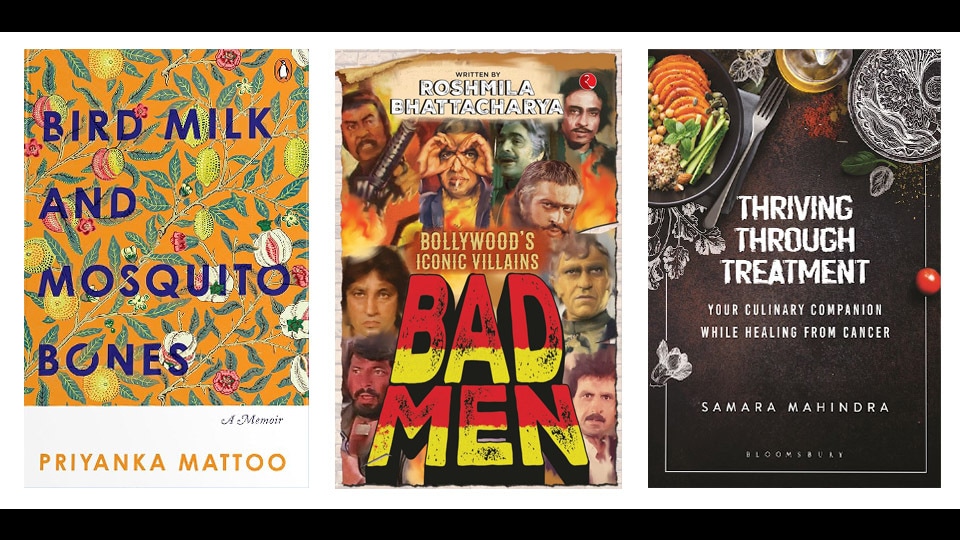

This is one woman’s search for home, from Kashmir to England to Saudi Arabia to Michigan to Rome and, finally, to Los Angeles. These standalone essays together form a sweeping portrait of a peripatetic life.
Priyanka Mattoo was born in a wooden house in the Himalayas, as were most of her ancestors. In 1989, however, mounting violence in the region forced Mattoo’s community to flee. The home into which her family poured their dreams was reduced to a pile of rubble.
Mattoo never moved back to her beloved Kashmir — because it no longer existed. She and her family just kept packing and unpacking and moving on. In 40 years, Mattoo accumulated 32 different addresses, and she chronicles her nomadic existence with wit, wisdom, and an inimitable eye for light within the darkest moments. She takes us from her grandparents’ sprawling home in Srinagar, where her boisterous aunties raced through the halls, to Saudi Arabia, where friendships were gained and lost behind the sandstone walls of a foreigners’ compound. We witness her courtship with a nice Jewish boy, now her husband, and her efforts to replicate her mother’s rogan josh recipe via Zoom. And we are with her as she settles into her unlikely new homeland, Los Angeles, where she sets off on what is perhaps her most meaningful journey: that of becoming a writer.
Through these astonishingly poignant and often laugh-out loud essays, Mattoo has given us an openhearted, frank, revealing glimpse into a journey of almost constant motion, as well as a journey of self-discovery.*
The path to renewed strength
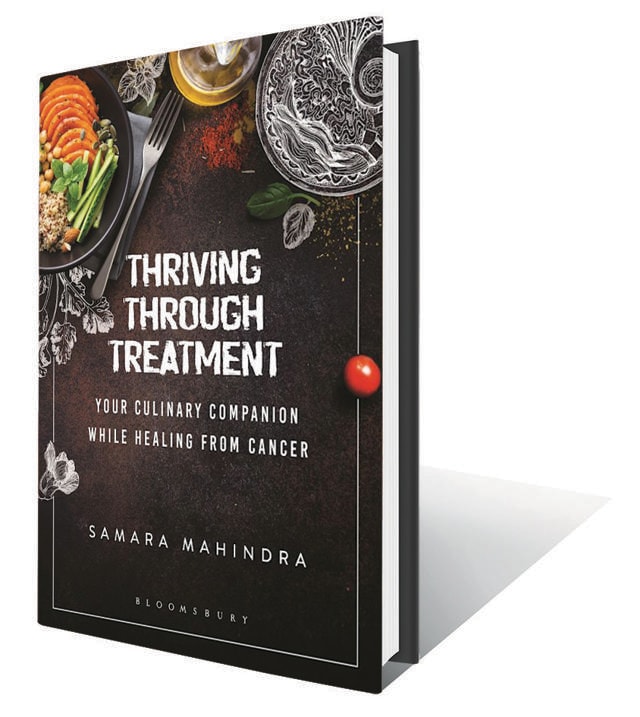
This comprehensive cancer nutrition cookbook not only provides wholesome recipes but also suggests food items based on the symptoms an individual may be experiencing. It offers invaluable insights into the power of “cancer-fighting foods” and essential dietary dos and don’ts.
Wellness entrepreneur Samara Mahindra offers a plethora of easy-to-prepare, yet delectable recipes designed to cater to specific needs, from comforting scrambled eggs to succulent marinated fish and rice, and tantalising dry fruit laddoos. Her Thriving through Treatment is designed to be a trusted companion on the path to renewed strength and resilience.*
The men behind the monsters

Did you know that “Lion” Ajit did not care for the “Lily, don’t be silly” jokes, or that Simran’s Bauji in DDLJ was modelled on an old lion? What did Manoj Kumar tell Pran that convinced him to accept Shaheed?
Who was the strange woman who called Tanuja Chandra and changed her mind about casting Ashutosh Rana as Lajja Shankar Pandey in Sangharsh?
Why did a fresh-faced Danny Denzongpa insist on playing the much-older, wheelchair-bound Thakur in Dhund, and how did he make him unforgettable? For decades, Bollywood’s khalnayaks have terrorised us, tormented us, and trapped us in their dark universe. Yet, we are mesmerised by them.
So, it may interest you to know that for a long time, Gulshan Grover’s siblings would watch his films first so his mother could be whisked away from the auditorium just before he tore off a woman’s clothes on screen or was beaten black and blue.
Or that after Sadak’s release, Sadashiv Amrapurkar’s daughters were asked “Does your father clap his hands like Maharani?”
This book is an attempt to not just decode the blackguards of Hindi cinema but also understand the men behind the monsters, through the author’s personal interactions with the actors as well as conversations with their family, friends and colleagues. Full of interesting anecdotes about iconic films, performances and dialogues, it proves that even Bad Men can make for a good read.*
*All copy from book flap.


