
 E-Paper



HT Picks; New Reads
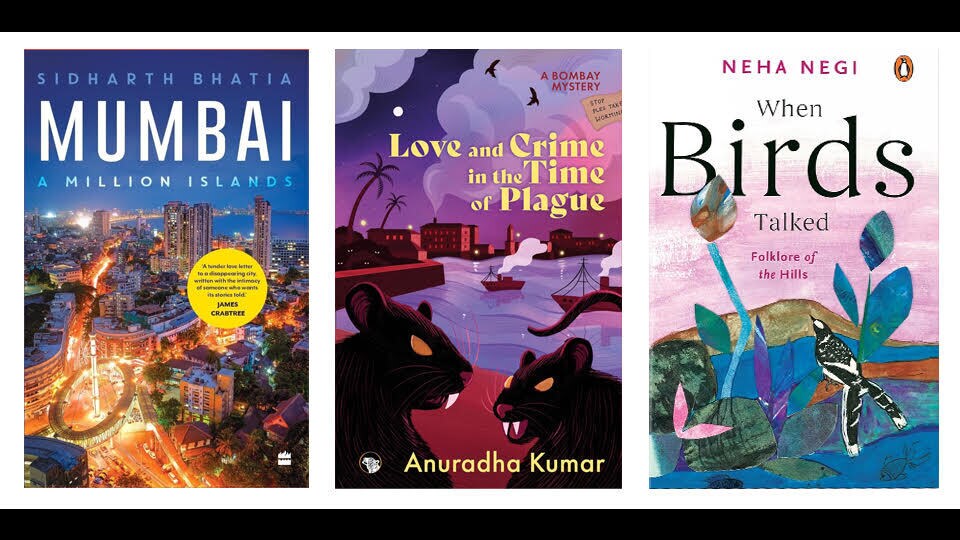
On the reading list this week is a piercing look at a city in the throes of relentless transformation, a new Bombay mystery featuring the late 19th century plague, and a collection of tales that reimagines the myths of Himalayan birds

 Prefer HTon Google


Pushed to the margins
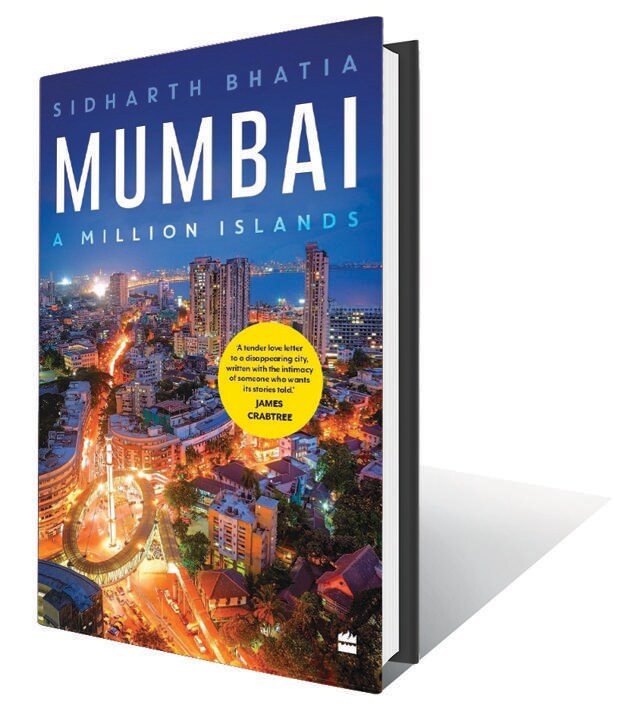
Since the East India Company merged seven islands into Bombay (now Mumbai), change has been constant. Now it is used as a weapon for displacement, disguised as development. Slums are erased overnight to make way for luxury towers priced in tens of crores. The working class is pushed to the margins, literally, and into distant housing projects with no infrastructure, transport or sanitation. Entire communities are uprooted while a new Mumbai is built for the privileged few, behind closed gates, inside glass walls.
Sidharth Bhatia’s Mumbai: A Million Islands is a piercing look at a city in the throes of relentless transformation. What is vanishing is not just space, but memory, history and the very fabric of a living city. Mumbai’s famed spirit of survival is being tested like never before. Where the original seven islands had symbolized a synergy, today they’re multiplying as fractures – social, spatial and economic – splitting the city into a million islands, each more isolated than the other.*
Giant rats in vintage Bombay
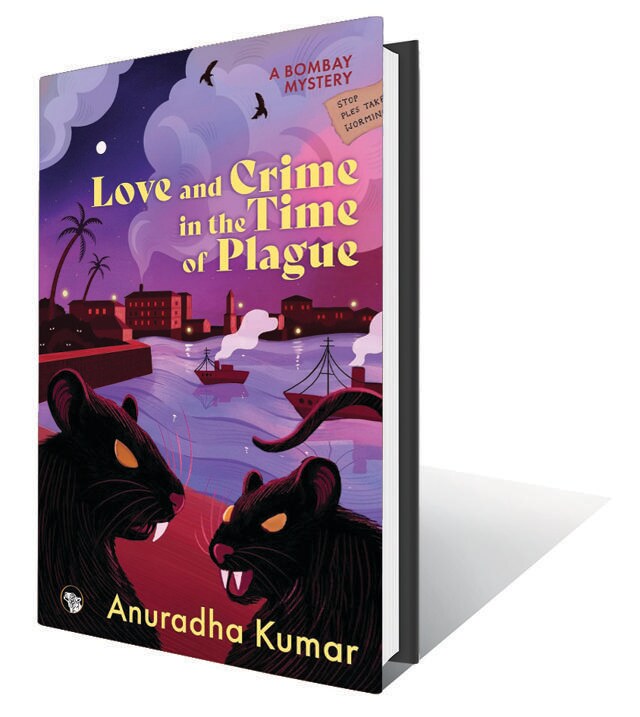
It is 1896. A ship docks in Bombay Harbour, and as the workers rush to unload the cargo, a scream rings out. A large black rat, frothing at the mouth, has bitten one of the men. Within weeks, a miasma of fear engulfs the city as ship-borne rats overrun its nooks and crannies, and more and more of its inhabitants fall sick — and die. Dr Acacio Viegas is the first to ring the alarm — it is the plague. The only way to control it is to sanitize the city’s slums, clean its drains, report any fever, and stay at home. The British Administration embarks on these measures on a war footing — until warning notes begin to turn up at Doctors’ House, where Maya Barton lives with Dr Charlotte Ellaby, and at the Women’s and Children’s Hospital — notes that threaten those who are ‘interfering’ with people’s religion and customs with dire consequences — all signed by the ‘Native Society’. Maya and her friend Henry Baker, the American trade counsel, are soon hot on the trail of the Society, which leads them to the formidable Rangnekar Bhau, the Society’s founder, and its secretary, the treacherous Satarkar, who hates everything new and ‘modern’, whether the British and the brown sahibs, and their so-called anti-plague drive, or women like Maya, who think too much of themselves. As Maya and Henry unravel the mystery, they draw closer to each other and to what could be a future together. And Maya learns more about Reverend Barton, who could have been her father, and the Kashmiri woman who might have been her mother. Anuradha Kumar once again uses her talent for recreating a period setting and engaging characters to brilliant effect in this sequel to the acclaimed The Kidnapping of Mark Twain, her first Bombay Mystery.*
A modern eco-fable
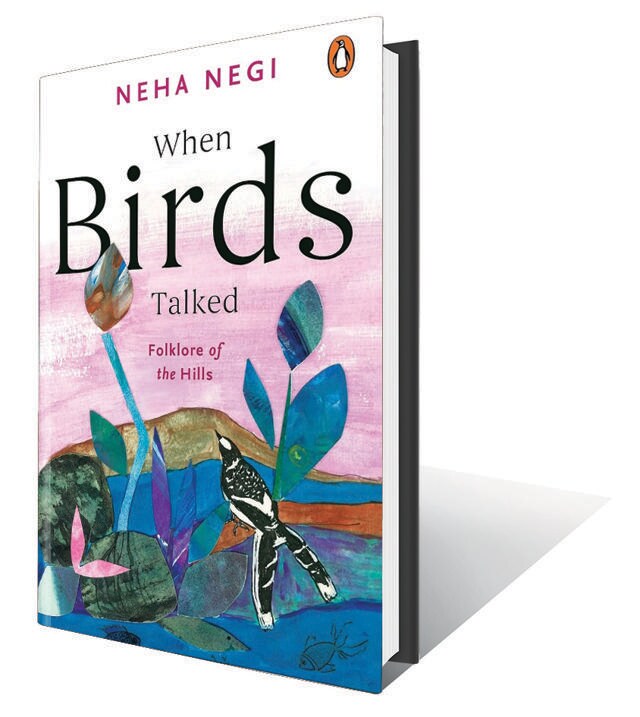
When Birds Talked by Neha Negi is a lyrical and beautifully illustrated collection of folklore that reimagines the myths of Himalayan birds. Drawing on Uttarakhand’s rich oral traditions, these tales trace the origins of birds such as the Himalayan monal, fire-capped tit, spotted forktail and many others ― bringing alive stories of transformation, longing and resilience.
Through dramatic storytelling and hand-painted illustrations, Negi creates an enchanting tapestry that connects mythology, ecology, and human imagination. At its heart, the book is an ode to the deep bonds between people and nature, a celebration of vanishing traditions, and a call to protect the fragile ecosystems of the Himalayas.
Blending myth, art and reflections on the environment, When Birds Talked is as much a preservation of cultural heritage as it is a modern eco-fable for readers of all ages.*
*All copy from book flap.


