
 E-Paper



HT reviewer Lamat R Hasan picks her favourite read of 2022
When Geetanjali Shree’s Tomb of Sand was longlisted for the International Booker Prize earlier this year, I revisited her translator Daisy Rockwell’s other marvellous translation of Krishna Sobti’s novel Gujarat Pakistan Se Gujarat Hindustan (A Gujarat Here, A Gujarat There, Penguin, 2019)

 Prefer HTon Google


When Geetanjali Shree’s Tomb of Sand was longlisted for the International Booker Prize earlier this year, I revisited her translator Daisy Rockwell’s other marvellous translation of Krishna Sobti’s novel Gujarat Pakistan Se Gujarat Hindustan (A Gujarat Here, A Gujarat There, Penguin, 2019).
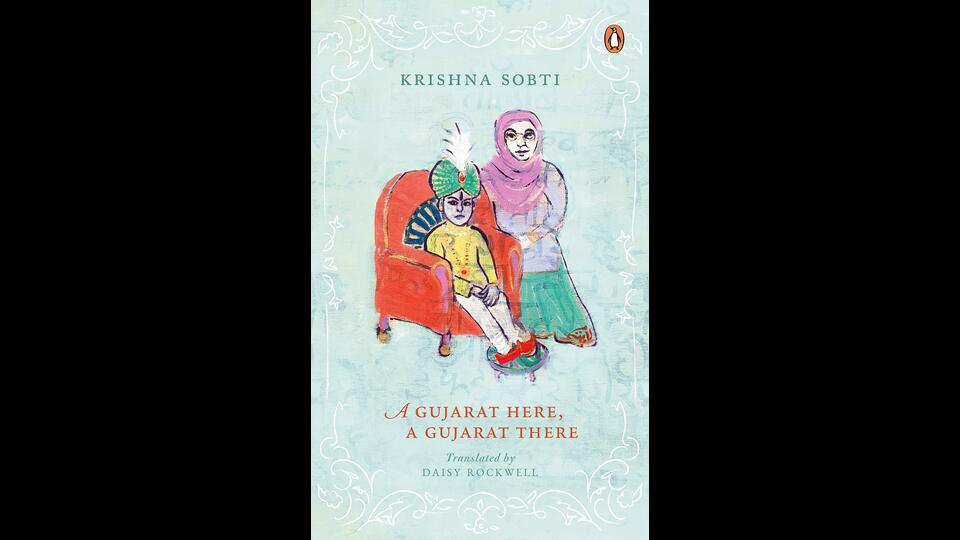
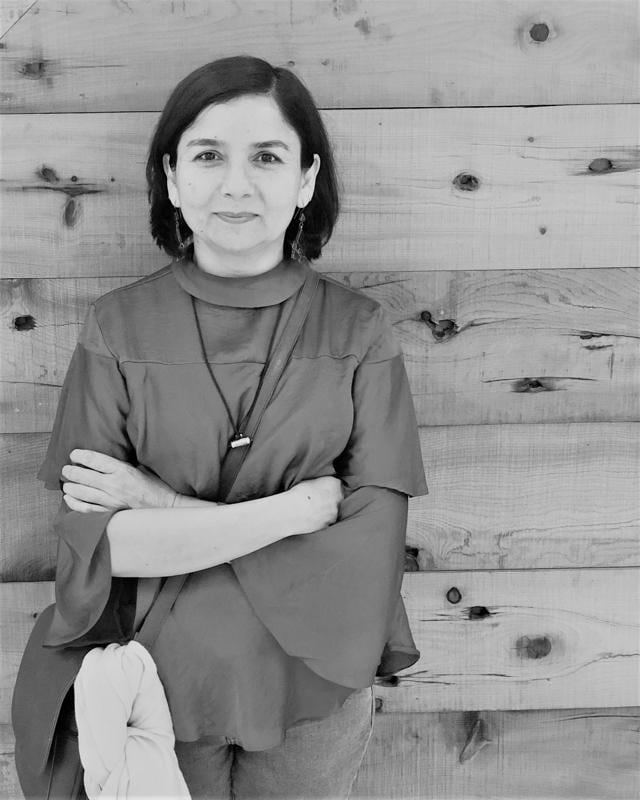
When Shree became the first Hindi writer to win the coveted prize, I was equally happy for Rockwell, who has been a translator of Hindi and Urdu literature for nearly three decades. As a reviewer wrote after Shree’s win, “Without Rockwell, there would be no Booker for Shree”. And, if I may add, there would be fewer readers of Upendranath Ashk’s Falling Walls, Bhisham Sahni’s Tamas, Khadija Mastur’s The Women’s Courtyard, and, of course, Sobti’s final novel – which Rockwell describes as a part-memoir, part-fiction and a feminist account of the author’s journey set in the crucial years following the Partition of India.
Sobti wrote this tale of loss and dislocation when she was 92. The title of the book refers to Gujrat in Pakistan and Gujarat in India, spelt differently in the two countries in the English language. Born in Gujrat, Sobti was a student in Lahore and was considering enrolling in a master’s programme there when the subcontinent was partitioned. She moved to Delhi where her family was. Delhi was bursting with refugees, and Sobti, feeling like a “half-refugee” herself, applied for a job as a preschool teacher in the small princely state of Sirohi on the border of Gujarat and Rajasthan, both states laying claim to it.
The plot is eloquent of the times Sobti was witness to. Her own story and her family’s history weaved in with observed accounts of refugees and migrants unknot as a macrocosmic account of a nation in turmoil and transition. Rockwell found it hard to find equivalent words in the English language to match Sobti’s carefully “boiled” words.
Rockwell explains why translating Sobti’s unique and crisp style of writing - who couldn’t be “terribly bothered” if no one understood her - was an uphill task. “She (Sobti) claims she has never been a poet, but her prose resembles poetry more than anything else. She will often use the fewest words possible in a sentence, sometimes just one, if she can find the perfect fit.” Fewer than Saadat Hasan Manto in Siyah Hashiye, his ultra-short stories of Partition, Rockwell observes.
She compares Sobti’s writing to an art installation or an old photograph album – where memories from 70 years ago get erased, rewritten, and overwritten. Fortunately for Rockwell, she managed a few sessions with Sobti in person, and in her presence decoded the Sobti logic, the Sobti-lect. The result: Rockwell’s translation exceeds expectations.


