
 E-Paper



HT Picks; New Reads
This week’s pick of interesting reads includes a book that reveals many unknown stories about Subhas Chandra Bose, another that establishes why objecting to interference with privacy is so important in India today, and a volume that addresses the entire sweep of Indian art from the beginning of the twentieth century to the present

 Prefer HTon Google


A dramatic and adventurous life
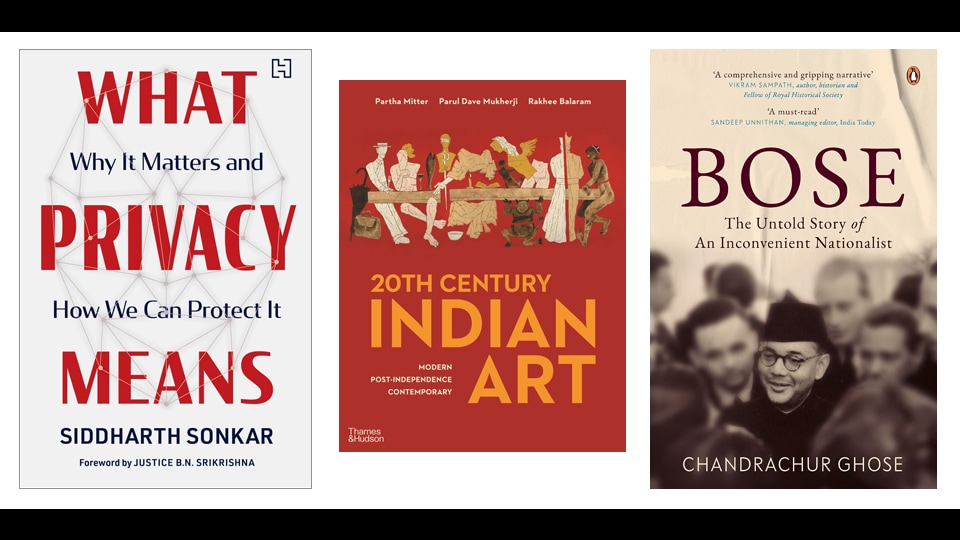
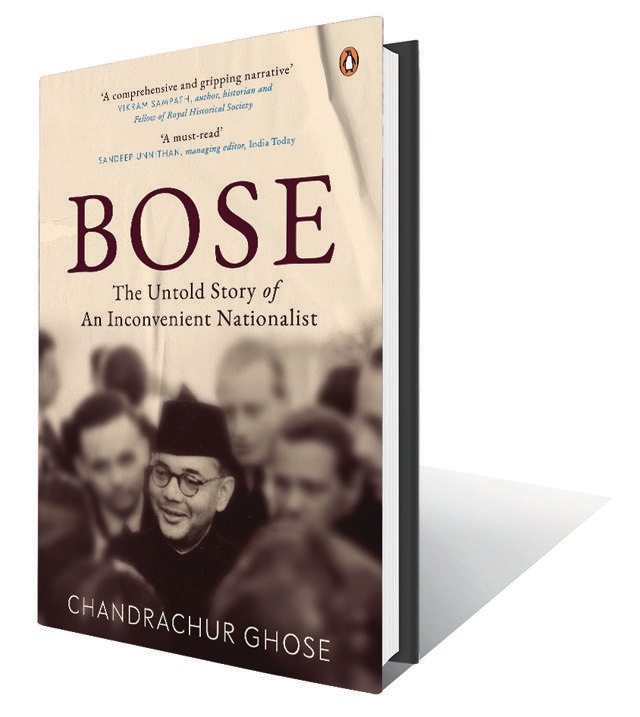
Few Indian heroes have had lives as dramatic and adventurous as Subhas Chandra Bose. That assessment is based on what is widely known about him - his resignation from the Indian Civil Service, joining the freedom movement, to be exiled twice for over seven years, throwing a challenge to the Gandhian leadership in the Congress, taking up an extremist position against the British Raj, evading the intelligence network to travel to Europe and then to Southeast Asia, forming two governments in exile and raising two armies and then disappearing into the unknown, all in the span of two decades.Now, new information throws light on Bose’s intense political activities surrounding revolutionary groups in Bengal, Punjab, Maharashtra and United Provinces, his efforts to bridge the increasing communal divide and his influence in the political sphere; his relationships with women; his plunge into spirituality, his penchant for covert operations, and his efforts to engineer a rebellion among the Indian armed forces. This new information about plots and subplots reveals the man’s single-minded focus on freeing the motherland and envisioning its development in a new era.One of the issues that has prevented political parties and successive governments from talking much about Bose is his joining the Axis camp. While Jawaharlal Nehru and other prominent Congress leaders publicly denounced the move, the Communist Party of India went on to a prolonged vilification campaign and Sardar Patel issued instruction to Congress leaders to defend the INA soldiers without eulogizing Bose, their leader. Was Bose really a Nazi sympathiser? Why did he risk his own political image by allying with the Axis powers even though public opinion in India was against Nazi Germany, Fascist Italy, and imperial Japan? Bose: The Untold Story of an Inconvenient Nationalist reveals many unknown stories about Subhas Chandra Bose.*
Why it matters and how we can protect it

In 2020, when the corona virus pandemic triggered governments across the world to instate lockdowns, several Indian states adopted digital contact tracing and the use of drones to monitor and map their citizens. Although this paved the way for social control through surveillance becoming the “new normal”, rampant news about information leaks and breaches by apps, spy software and social media platforms have awakened Indian citizens to how their privacy is being persistently compromised. With inadequate and outmoded laws for privacy, and disparate institutions normalising privacy violations of personal information in the name of national security, apprehensions about individual data and the use it is being put to have hit a peak. In What Privacy Means, Siddharth Sonkar analyses the history and understanding – both cultural and political – of privacy in India and establishes why objecting to interference with privacy is the pressing need of the day. Taking a deep dive into the grating realities of individual privacy, he explains how an Indian citizen’s privacy is hardly “private”. In the process, he urges us to question whether in India, where boundaries between the personal and public are increasingly becoming blurred, relationships of trust between government, corporations and individual citizens can at all be rebuilt.Today, when our privacy is in the process of being invaded, constantly and insidiously, Sonkar’s incisive, revelatory and thought-provoking book provides a road map for everyone who is unsure of the rights they are entitled to as they continue to live their lives online.*
Filling a significant void
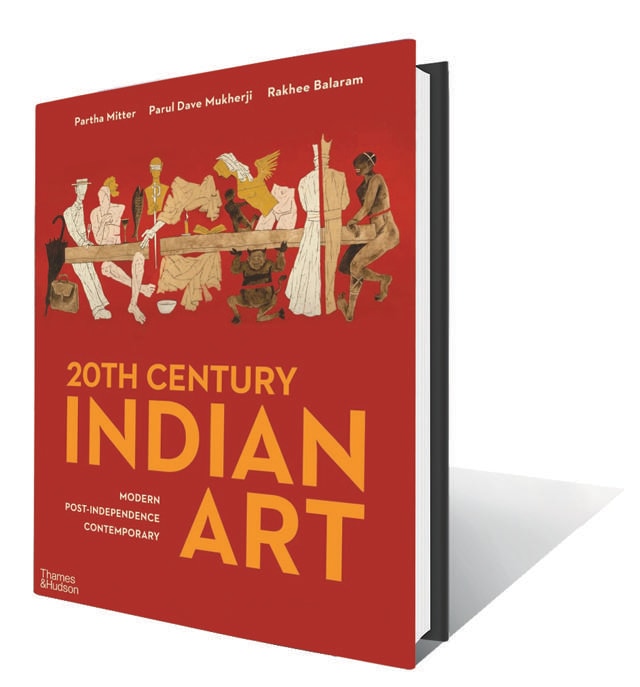
A landmark volume, this is the first book to address the entire sweep of Indian art across the subcontinent and South Asia from the beginning of the twentieth century to the present day. Recent decades have seen significant growth around the world in the interest, acquisition and exhibition of modern Indian and South Asian art and artists. Filling a significant void in scholarship on the subject, this much-anticipated book provides an engaging and informative history of modern art from the subcontinent as seen through the eyes of prominent Indian and South Asian art historians and scholars. Illustrated throughout and offering strong narrative content, 20th Century Indian Art provides multiple perspectives from key experts on modernism, modernity and plurality, and expansive ideas about contemporary art practices. It features a range of subjects and topics, including Group 1890, the Madras Art Movement, regional Modern and Dalit art, as well as artists ranging from Amrita Sher-Gil to Raqs Media Collective. It also has sections devoted to the art of Pakistan, Nepal, Bangladesh and other parts of South Asia. Together with lively discussions and a selection of absorbing interviews with artists, this is the definitive reference for anyone with an interest in Indian art, whether as a student, gallery-goer or armchair enthusiast.*
*All copy from book flap.


