
 E-Paper



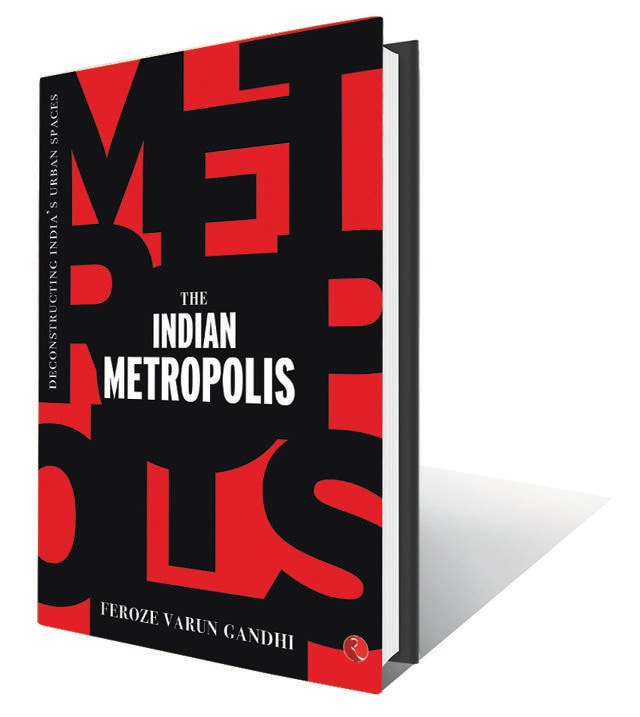
Interview: Feroze Varun Gandhi, author, The Indian Metropolis
The BJP MP’s new book is on the challenges that Indian cities face. Here, he talks about rethinking the management of urban areas and the strategies to make them more sustainable

 Prefer HTon Google


What prompted you to write this book?
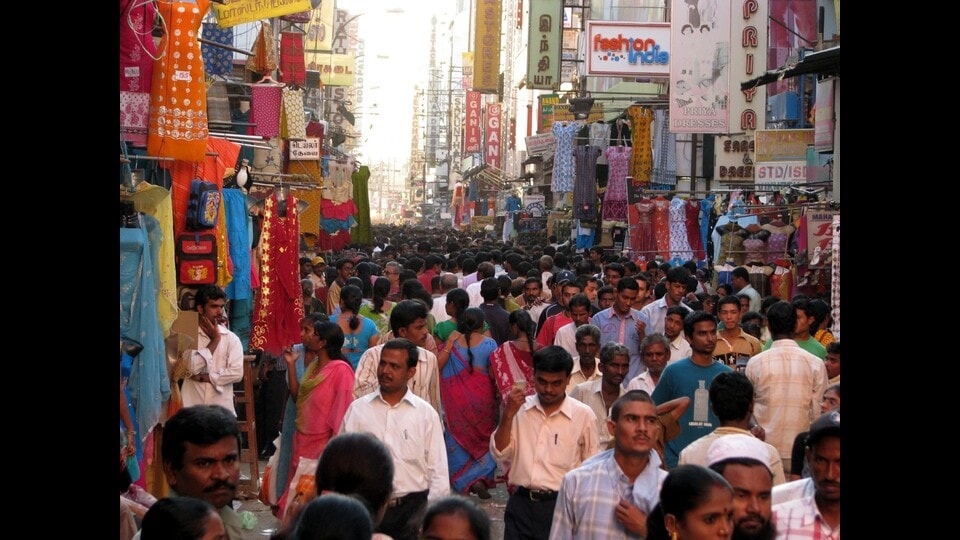
After spending almost half a decade understanding and discussing the travails of rural India, the idea of writing a dense tome on how Indians live in urban India was a tall order. And yet, as I interacted with thousands of Indians living in our cities and recovering from the pandemic, it became evident that life in our cities was challenging.
Policymakers in their ivory towers have seemingly lost connection with the daily grind that our urban citizens face, and are unaware of how our cities are becoming unliveable and expensive.
Beyond this, as we re-emerge to take our rightful place on the world stage, why do our cities look so unmoored from our civilizational heritage? Why have we given up on our historic inclination towards urban sustainability? We need a national conversation around such topics.
In the book, you stress the need to “rethink” how cities should be managed. What according to you are the key issues that need immediate attention?
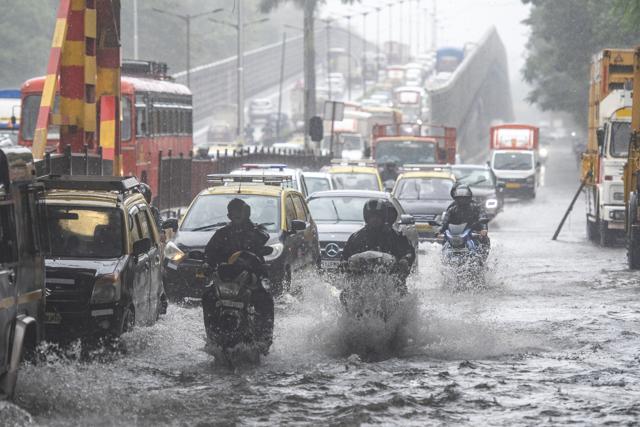
Every year, some of Mumbai’s priciest real estate sinks under the deluge of monsoonal rain. A similar plight awaits Gurugram in north India too. In particular, land use change, and the push for more infrastructure projects can have a grievous impact, with Bengaluru and Hyderabad seeing their local lakes vanishing, and Delhi seeing the Yamuna floodplain area encroached upon.
We need a different model of urbanisation – our current one seems to keep existing cities in squalor while seeking to expand their dysfunction to our villages in the name of urbanisation.
There are a few elements that can help make our cities more affordable in a transformative manner. Firstly, we need to pursue more economic integration within our cities. We need to fix transportation across urban centres. We need to radically shift our urban realty markets towards provisioning for affordable housing. We must move away from prioritising large cities – breaking them up into separate units if required, to improve governance.
In the past few budgets, the Centre’s focus has been on addressing challenges due to rapid urbanisation. Do you think the government has taken adequate measures to address the issue? If not, what needs to be done?
Historically, the Indian state has neglected its cities, not recognising their role in driving economic growth. While there has been some progress in the recent past, much remains to be done. Our cities have been witness to multiple transitions over the last century, with barely any time to recover and adapt – the British creation of three metropolitan port cities, combined with the roll out of the railway network transformed India’s urban landscape, relegating erstwhile prominent Mughal era towns like Surat and Patna into provincial backwaters. The creation of hill stations in northern India (over 80 were created in the colonial era) and the advent of the plantation economy, including tea and coffee, along with industrial townships (for example, Jamshedpur) transformed trading networks. Finally, the creation of cantonments and civil line areas, along with railway stations, in our major cities, led to the haphazard growth of our urban areas away from bazaars and towards railway terminals. Transforming them into sustainable and organized urban spaces will not be easy.
The Centre has launched various schemes and missions (AMRUT, PMAY-Urban, Smart Cities Mission etc) to create or upgrade urban infrastructure. Do you think these schemes have delivered the desired result?
Over the past decade, there have been notable investments in urban infrastructure as well as health care, food provision, education and other areas. However, India’s urban challenges are vast in nature and much remains to be done. It is often said that Indian cities have the same problems, repeated a hundred fold across the urban landscape – from flooding happening in Chennai and a range of other cities on an annual basis, to garbage fires in Mumbai (in 2014 and 2018) to Bengaluru’s annual lake frothing. India’s urban governance has chaos writ large. Over half of India’s cities do not generate enough revenue to meet salary costs, despite limited growth in municipal staff over the past decade, and a significant ongoing vacancy.
The Centre recently announced the setting up of an Urban Infrastructure Development Fund, on the lines of RIDF, for developing urban infrastructure in tier-2 and tier 3 cities for which ₹10,000 crore will be given annually. Your previous book was about rural India. What’s your take on RIDF and the newly announced fund? Do you think the newly announced fund will benefit tier-2 and tier 3 cities?
It is heartening to hear the Centre push for the creation of an Urban Infrastructure Development Fund. The modalities of the fund and its remit are in the process of being set up – it would be premature to comment on it before it has had a chance to make a mark.
Much more can be done on urban financing. With India’s municipalities seeing significant fiscal stress, we need a multi-pronged strategy to bridge the gap. Firstly, many such urban local bodies and municipal corporations need to be provided with a fiscal stimulus, while accounting for fiscal stress, with a push for funding committed expenditure and boosting the local public health system. A revolving fund, which offers budgetary stabilization measures, can be considered, along with the provision of an overdraft facility when revenues and fiscal transfers are delayed.
Additionally, green bonds need to be pursued with gusto, along with a joint corpus fund, funded by the Centre and states. Property taxes also are fit for rationalization, to stimulate the local real estate market – it will be important to raise the share of registered urban residences which pay property tax – tools like GIS mapping, along with cross-checking with other identification databases could help bridge this gap.
The Covid pandemic triggered reverse migration. Is there a way to reverse this trend?
India has a varied mix of migration patterns – some urban Indian citizens have moved permanently for work and family, and others have adopted a seasonal pattern (eg offering labour in a city during agricultural downtime). The COVID-19 pandemic notably exacerbated reverse migration, away from cities towards villages, mostly on a temporary basis, for many urban migrants. There needs to be a systemic policy to deal with urban migration. Internal migration in India is very closely linked to urban transitions, with such migration helping reduce poverty or prevent households from slipping into it.
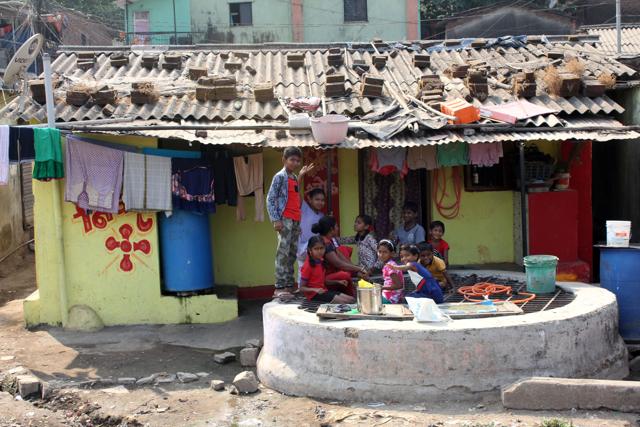
Affordable housing for the urban poor continues to be a challenge. A large percentage of people in cities continue to live in slums. What’s your take on providing affordable housing?
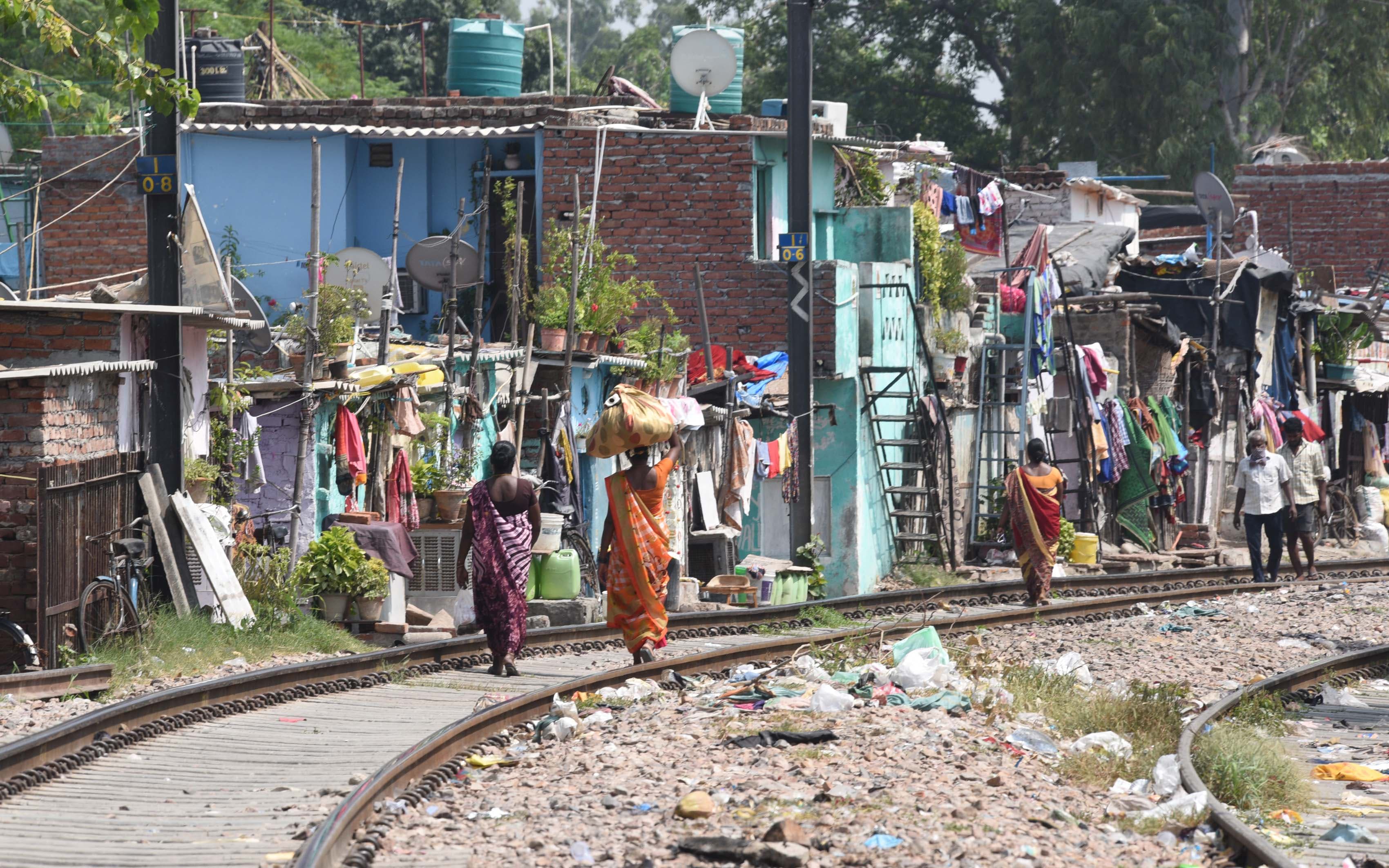
We need to accept that the role of the government in urban housing is that of being a facilitator as well as one involved in creating the housing stock. One must understand the true nature of our housing market – migration within India is fundamentally cyclical, with migrants moving from rural to urban spaces and back again, depending on seasonality. Our affordable housing initiatives have focused only on permanent migrants to urban areas while ignoring the millions who move with agricultural seasons. Our housing schemes need to cater to both segments – permanent job seekers and seasonal migrants.
In particular, we need to focus on affordable rental housing. Slum creation is fundamentally the consequence of a lack of provision for affordable rental housing; slums are created by government and market inaction. Our overall housing strategy needs to be sustainable, with a focus on efficient allocation and correcting market distortions.
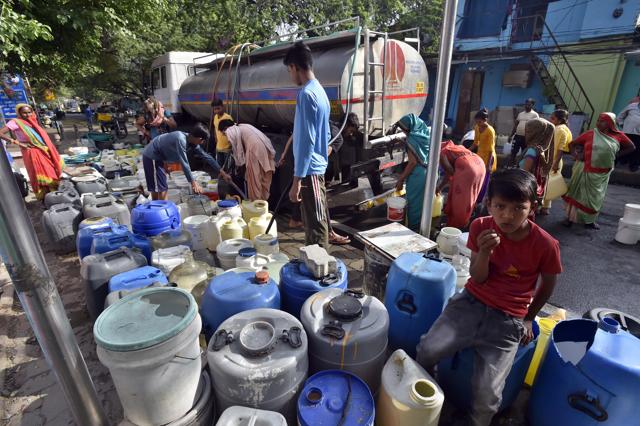
Urban flooding, water shortage, air pollution, etc are the new normal for Indian cities and even peri-urban areas. While measures are being taken by government agencies, do you think enough is being done?
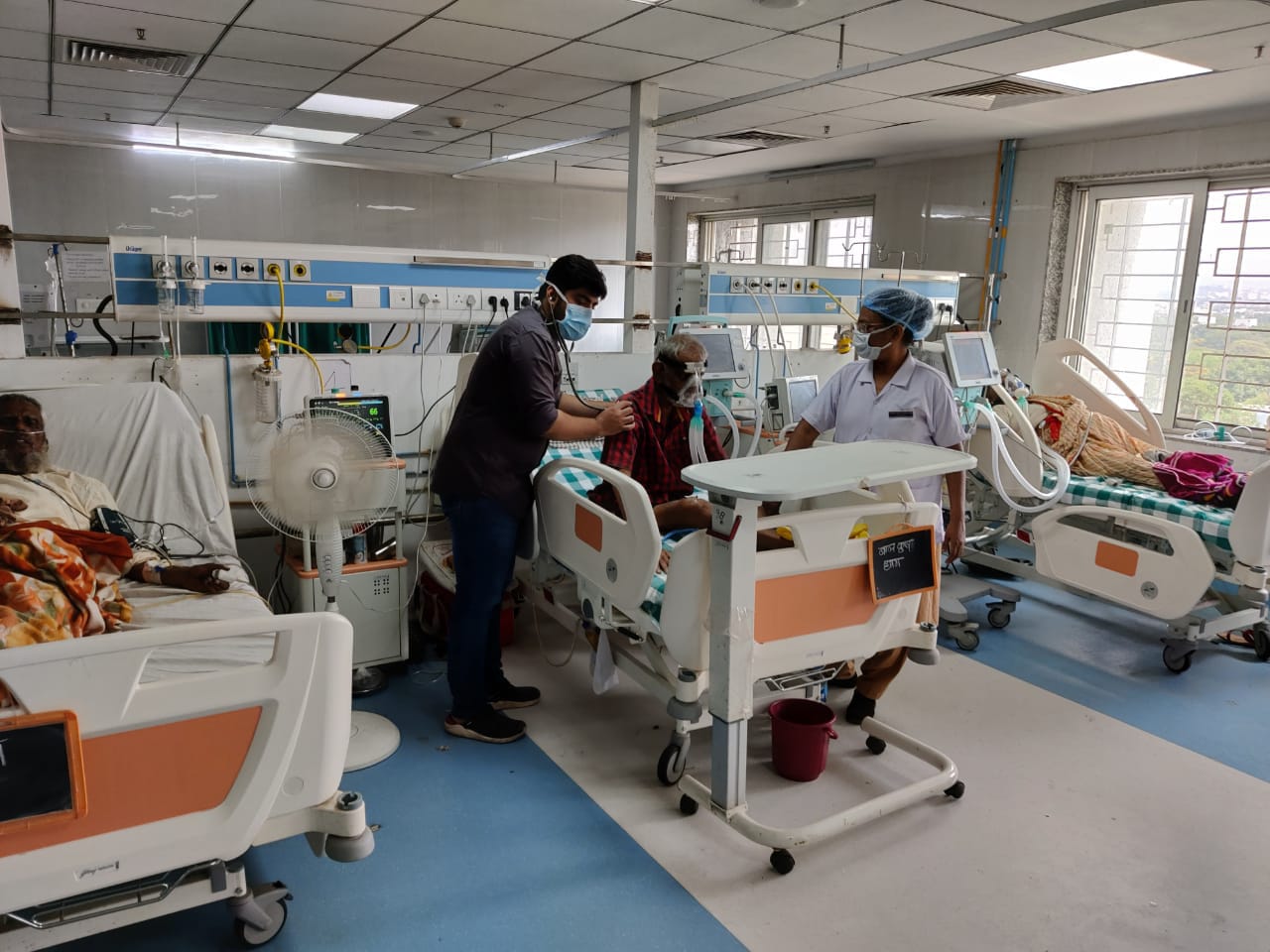
Approximately 116,000 infants are likely to have been killed by air pollution in India in 2019, almost immediately after being born, with the deaths caused due to the entrance of PM 2.5 particles in their lungs. In addition, long-term exposure to outdoor and household air pollution can lead to ~1.67 million annual deaths in India. Having faced a pandemic that infects our lungs, it would be foolish for us to continue with an urban planning model that encourages air pollution, weakening our lungs and triggering other non-communicable diseases (like strokes and cancers).
Over the past few decades, India’s track record on climate adaption and mitigation, particularly with respect to urban planning, has been rather dismal – India’s cities are filled with concrete, which turns urban areas into heat sinks and increases costs and infrastructure requirements for cooling. Over time, India’s cities are increasingly losing green cover, and are increasingly hard spaces.
In the book you mention that broadening MGNREGA to an urban locale is the “most natural extension”. Please elaborate.
The idea of an urban employment guarantee scheme is one whose time has come. There are murmurs already -- in 2019, in Madhya Pradesh, the government initiated the “Yuva Swabhiman Yojana”, which offers employment to skilled and unskilled workers. Kerala, since 2010, has run an initiative (termed as “Ayyankali Urban Employment Guarantee Scheme”) which offers 100 days of wage employment to urban households in return for manual work.
Even the Supreme Court has weighed in on the debate, stating that the “right to life”, offered under Article 21 of the Constitution, is not simply one enabling individuals to exist but is also broad enough to offer a “right to livelihood” and a “right to dignity”. MGNREGA, as often cited, is arguably an implementation of the “right to livelihood” albeit in a rural context while offering a “Right to Work”. Broadening this to an urban locale is the most natural extension for the Indian state.
But will this not further burden the exchequer?
Given the advent of climate change, we need to enhance urban resilience – much of this will be work driven by municipal corporations (eg restoring wetlands, cleaning up streams etc.) with the use of seasonal labourers. A push for an urban MGNREGA, with a focus on enhancing urban resilience, will help limit future losses to our cities.


