
 E-Paper



On the unexpected resurgence of Urdu in India
The resounding success of Jashn-e-Rekhta in Delhi and the Urdu Book Fair at Aligarh Muslim University indicate the enduring resilience of the language

 Prefer HTon Google


Despite the dazzling glare and shimmer of the screen, the yearning for books, conversation, poetry recitations and music remains unremitting. There is a remarkable enthusiasm even in languages other than English, and this interest constitutes a form of reflective meditation that engages people across barriers of language, religion, and caste.
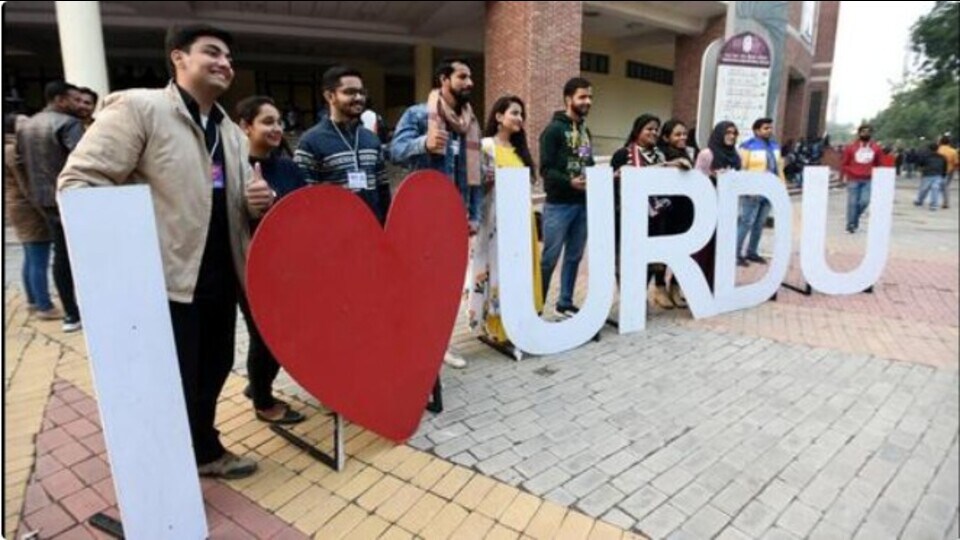
In digital media-driven social relations, people tend to anchor their fluid identities in cultural heritage, as manifested through their languages, to internalise knowledge. This has been happening at a time when direct experience is being replaced by curated images. But reading and listening in local languages upends the passive, fragmented attention spans of an information technology-driven world.
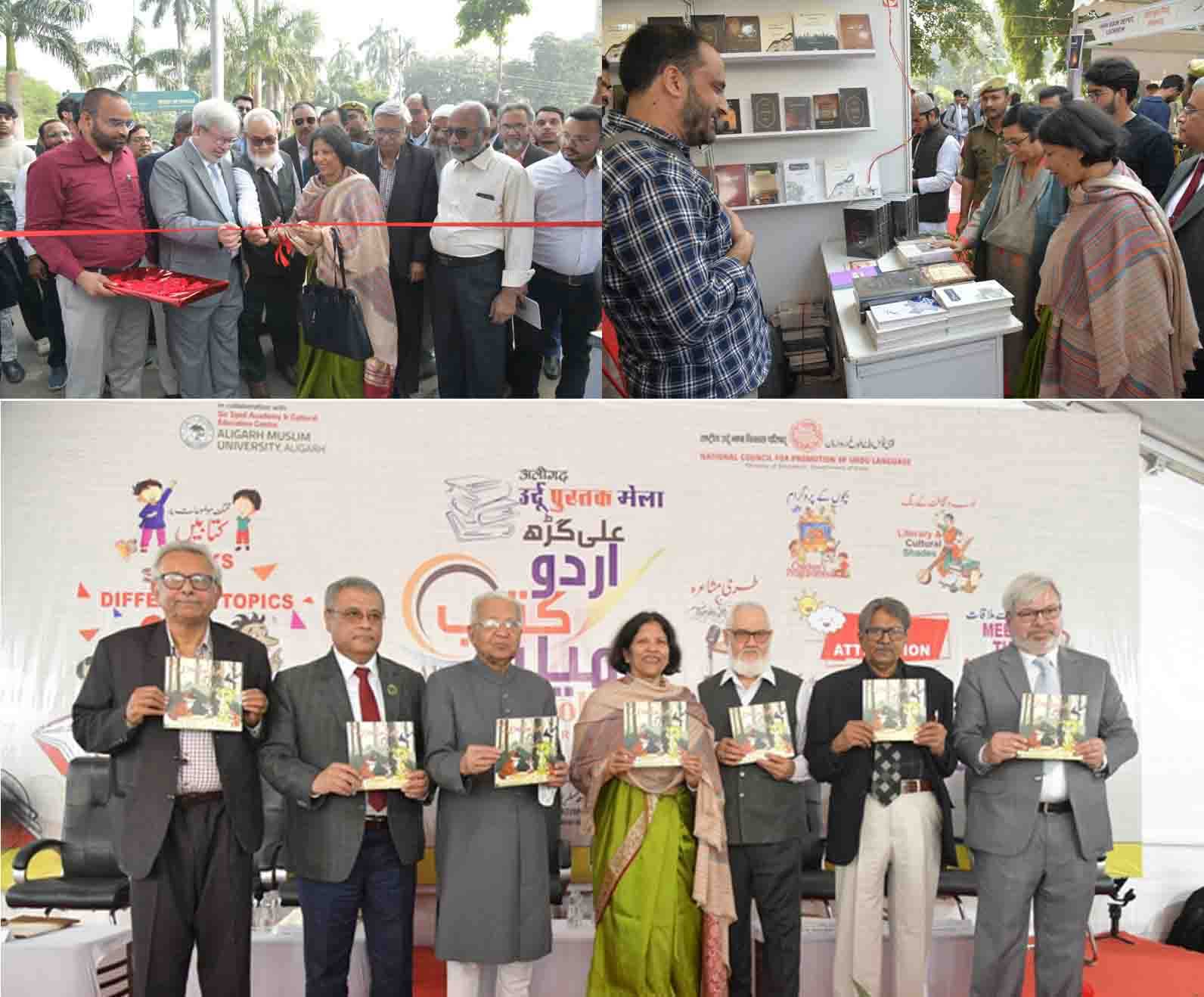
French Marxist Guy Debord (1931-1994) delineated the dangers of dissolving direct experience into mere representation, saying: “All that once directly lived has moved away into representation”. However, the enduring resilience of Urdu’s artistic and cultural connotations have overwhelmed representation. This is what the resounding success of events like the recently concluded Jashn-e-Rekhta in Delhi and the Urdu Book Fair, organised by the National Council for Promotion of Urdu, held at Aligarh Muslim University, vindicates.
The success of these two festivals curated by Huma Khalil (Rekhta Foundation) and Dr Shams Iqbal (director of the National Council of Promotion of Urdu) have invalidated the assumption that the instant gratification of Instagram, Facebook, WhatsApp and the like would knock over the intrinsic appeal of Urdu literature reflected in books and insightful discussions. The triumph of substance over spectacle raised some more pertinent questions: can non-English literary and artistic heritage withstand the digital world’s glowing, instantly gratifying, attention-demanding screens? Can Urdu, beyond its sensory and romantic appeal, offer moments of solitude essential to human introspection and self-discovery?
The answer, a resounding yes, simultaneously reveals the prowess of Urdu’s cultural legacy and a tantalising paradox. Faced with almost terminal decline, Urdu has been experiencing an intriguing resurgence in the popular domain. Indeed, it is something of a renaissance, fuelled by digital platforms. The Persian-Arabic script of Urdu Nastaliq may be in rapid decline, but the sale of its books soared to ₹7 lakh per day at the Urdu Book Fair.
The Anglophile streak of Generation Z streak aside, this demonstrates that Urdu still has the potential to shape the identity, aesthetic sensitivity, and cultural aspirations of these digital natives. Ghalib, Meer, Manto, Premchand, Firaq, Faiz, Jaun Elia, Intezar Hussain, Naiyer Masud, Shaheryar, and many more fill non-virtual intellectual spaces as Urdu texts stitch up an instant emotional bond with readers. The nine-day event at Aligarh Muslim University, that featured 150 celebrated and emerging authors and 150 scholars across 30 sessions and included discussions, author-meets, poetic symposia, Dastangoi performances, and other engaging activities, drew large crowds and over 10 million social media views.
Experts at the event discussed everything from science, Unani medicine, new developments in Information Technology and the social sciences, media, linguistics and literature. The participation of a large number of students made it clear that Urdu’s nuanced vocabulary and cultural flavour was firing the imagination of the new generation.
Meanwhile, Rektha, with its digitised repository of over 200,000 e-books, has become the prime mover of a vibrant resurgence of Urdu through digital tools. Its interactive website featuring multilingual dictionaries and its awe-inspiring festivals have shown that Urdu can hold sway as a language of cultural sensibilities, grace, and self-expression even without official patronage and amid the rapid decline of the Nastaliq script. Clearly, the cultural acceptance of a language is not confined to a fixed script, and language itself is not synonymous with a script. For instance, Devanagari is used for Hindi, Sanskrit, Marathi, and Nepali, which are different languages. So is the case with Urdu; it shares a script with Persian and Arabic, and all three are distinct languages. Language is essentially spoken; the sole insistence on the script is indicative of power dynamics. The tyranny of script needs flexibility, and Rekhta has succeeded by bringing together the writings of important poets and authors in three scripts -- Urdu, Devnagari, and Roman.
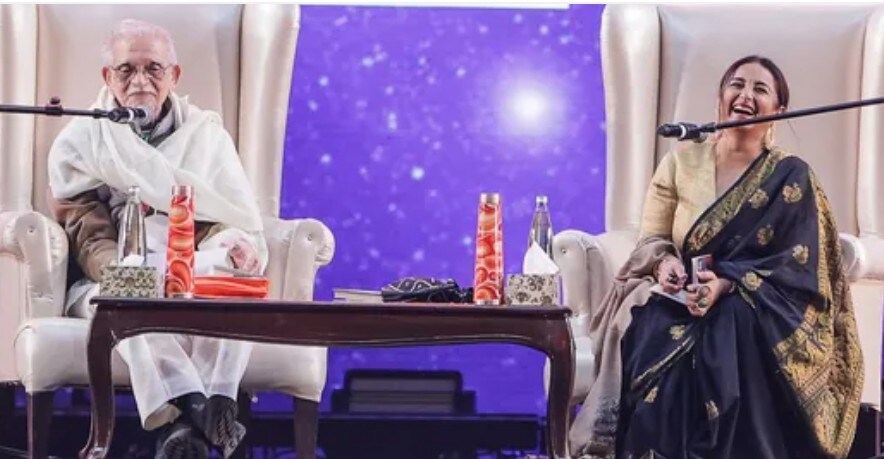
Rekhta’s trilingual innovation has effectively arrested the decline of Urdu and has unlocked the emotional and cultural repository of the language. Of course, puritans have found this difficult to accept. Rekhta’s literary and cultural festival is held in the USA, the UK, the UAE, and, of course, the largest one takes place in New Delhi. Large crowds of non-Urdu-speaking youngsters have turned Delhi’s Jashn-e Rekhta into the world’s largest Urdu festival. The festival’s tenth edition in 2025 featuring Gulzar, Javed Akhtar, Waseem Barelvi, Pushpesh Pant, Rana Safvi, Tarana Hussain, and iconic Bollywood personalities Raj Babbar, Salim Suleman, Divya Dutta, Sukhwinder Singh, Juhi Babbar, and Shekhar Suman showcased the nuanced sensibilities that the sophisticated Urdu spoken word produces. The invaluable contributions of Sahir Ludhianvi and Majrooh Sultanpuri to the collective life of India were showcased through two scintillating presentations. Huma Khalil’s directed musical play, Rang Aur Noor, featuring Salim Suleman, drew huge applause. The festival, a product of our society of spectacle, upends the assumption that the author is a lonesome intellectual whose texts get widespread acclaim; he has become a celebrity. His job is to sit on panels, produce succulent soundbites, and appear to be an avatar. Visibility looms large, and creativity and authenticity are replaced by performance.
In an unforeseeable twist in this nation’s collective cultural life, this too has been made possible by Urdu’s resurgence.
Shafey Kidwai is a bilingual critic and director of Sir Syed Academy, AMU, Aligarh.


