
 E-Paper



Report: Kingdom of Bhutan International Film Festival
A significant milestone in Bhutan’s cultural landscape, the inaugural edition of the KBIFF celebrated the power of cinema to inspire, educate and entertain

 Prefer HTon Google


The inaugural Kingdom of Bhutan International Film Festival (KBIFF), held from September 19 to 23, was a modest event but one that will definitely be cherished for a long time. After the glittering opening ceremony in Paro, the action shifted to the Lugar Theatre in the capital city of Thimphu, where interesting local and international films were screened.
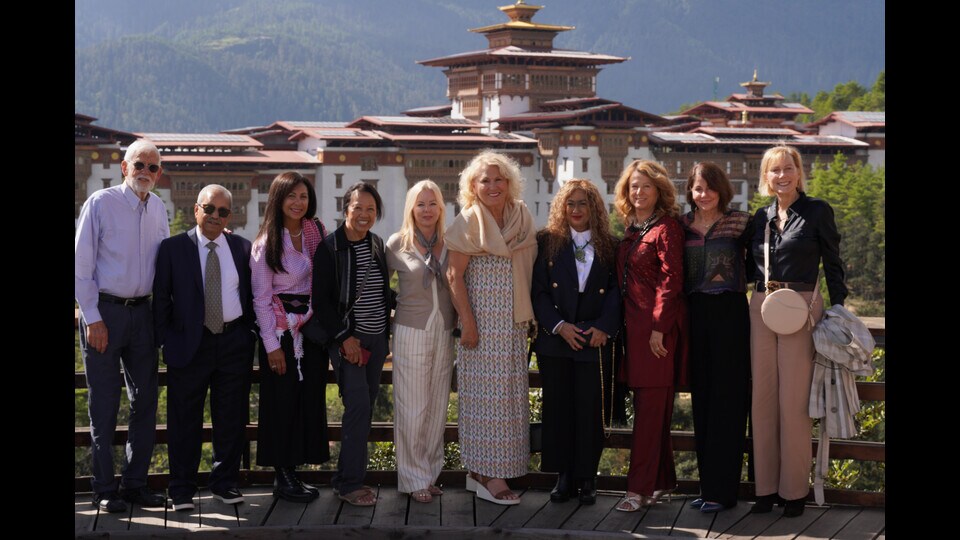
Mel Gee Henderson, co-founder of the Bhutan Film Institute, revealed that the goal was to bring together producers and directors. “It will go a long way for them to anchor their stories in Bhutan and use it as a backdrop for the future projects,” she said. Henderson believes the purpose of the festival would be served if the films showcased at the event opened the eyes of the western world and that of other countries in Asia to the presence of Bhutanese talent. “If you do something good on the roof of the world it ripples down to other parts of the world,” she said.
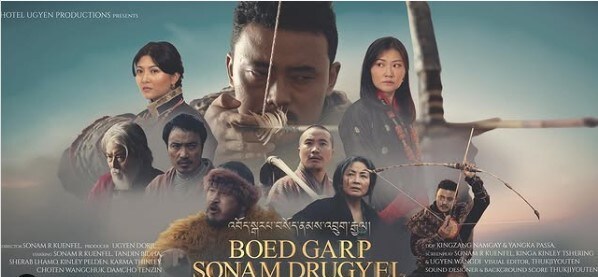
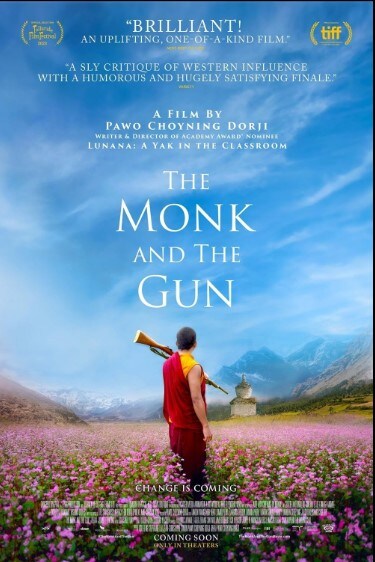
The local films that were presented included Sonam R Kuenfel’s Boed Garp Sonam Drugyel, a period tale of a warrior torn between love and duty, Karma Jerry’s Aum Penjo, about a transgender woman encountering prejudice, and Sonam Yagzom’s 30-minute documentary, Journey of Bhutanese Cinema. Pawo Choyning Dorji’s The Monk And The Gun, which had a successful festival run after premiering at Telluride and Toronto, was another highlight.
The international features included the Thai psychological thriller, Don’t Sleep by Lee Thongkham, which received its world premiere at the festival, David Petersen’s documentary Lift, which follows underprivileged children with dance scholarships in New York, and the US-Japan boxing drama, In Full Bloom, by Reza Ghassemi and Adam VillaSeñor. The festival also hosted a short film competition which drew an enthusiastic response from the country’s emerging talent.
The KBIFF is confident of injecting new life into the local film industry, which has struggled in the wake of the Covid-19 pandemic. The number of films produced in the country has declined from about 30 annually to around six a year.
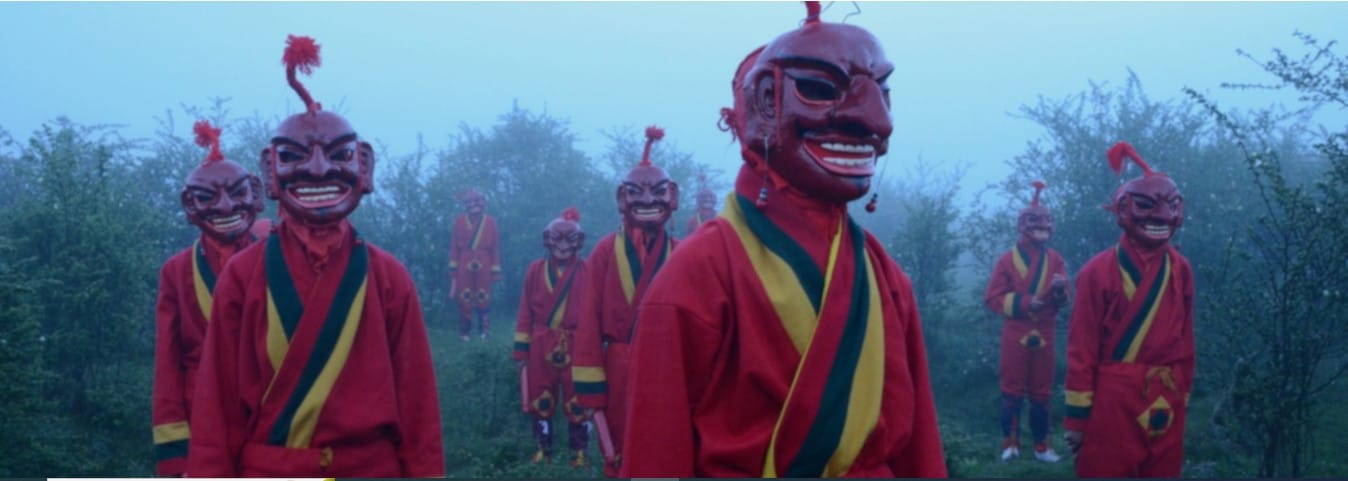
“The majority of Bhutanese films screened in theatres are commercial dramas of mixed genre… inspired by folk legends and historical narratives,” reveals Tshering Phuntsho, executive director and co-founder of the Bhutan Film Institute. An actor and filmmaker, he spoke of independent Bhutanese directors like Pawo Choyning Dorji, whose Lunana: A Yak in the Classroom was nominated for the Oscars, Tashi Gyeltshen, whose The Red Phallus won the Fipresci award at Busan in 2018, Dechen Roder, director of mystery drama Honeygiver Among the Dogs, which played at the Berlinale, and Buddhist lama Khyentse Norbu, who made The Cup.
“They are experimental in their storytelling,” he said. “Their films are arthouse in nature, exploring deeper themes of the Buddhist ethos and values, identity, social issues, and the impact of modernisation on our culture and way of life.”
His colleague Henderson, who is from the US and is also a travel show producer, wants to continue encouraging such talent. On her third visit to Bhutan in late 2022, she discovered that one of her local crew members had learned his craft by studying YouTube tutorials for five years because Bhutan did not have a film school. That was the spark for the establishment of the BFI and ultimately the KBIFF too. “Our mission [at the institute] is to educate, inspire and pave the way for young dreamers like him,” she says.
Chencho Dorji, another one of the founders and the president of the Bhutan Film Institute, noted the significant challenges that Bhutanese films have faced in gaining international recognition. It is one of the reasons he has been dreaming of hosting an international film festival in the country.
“Screening Bhutanese films in other countries can be quite challenging. By hosting festivals like this one in Bhutan, we can create more opportunities and promote films produced in our own country. This year marks the inaugural festival, and we hope it will offer valuable knowledge and outcomes for everyone involved in the film industry,” he says.
“I first came here as a tourist. I think all of us chillips (foreigners) can understand that there is a magic about Bhutan that is really hard to explain and quantify. That is why I keep coming back. And we hope through the magic of film and cinema, that is something we will be able to communicate clearly,” said Charles Tang, Production Director of KBIFF.

As part of the programme, the Bhutan Film Institute also hosted masterclasses by British producer Charles Steel, whose credits include The Last King of Scotland and Netflix series Top Boy, Indian film composer Shantanu Moitra, who composed background scores for films like 3 Idiots, PK, Lage Raho Munna Bhai and 12th Fail, award-winning wildlife photographer Roie Galitz, Bhutan-born Indian filmmaker Onir, and Christian Jeune, director of the Films Department and Deputy General Delegate at the Cannes Film Festival.
A significant milestone in Bhutan’s cultural landscape, the KBIFF celebrated the power of cinema to inspire, educate and entertain. The country that is known for its natural beauty and commitment to Gross National Happiness, will no doubt soon also impress the world with its own cinematic vision.
K Vasudevan is an independent journalist. He lives in Chennai.


