
 E-Paper



Taslima Nasreen returns to Kolkata after 19 years exile, says 'I'm feeling very good to be back'
The exiled Bangladeshi writer arrived at the Netaji Subhas Chandra International Airport on Friday, marking her first visit to the city in nearly 19 years.

 Prefer HTon Google


Kolkata, Exiled Bangladeshi writer Taslima Nasreen arrived here from New Delhi on Friday, nearly two decades after she was forced to leave the city following protests over her controversial book 'Dwikhandito'.
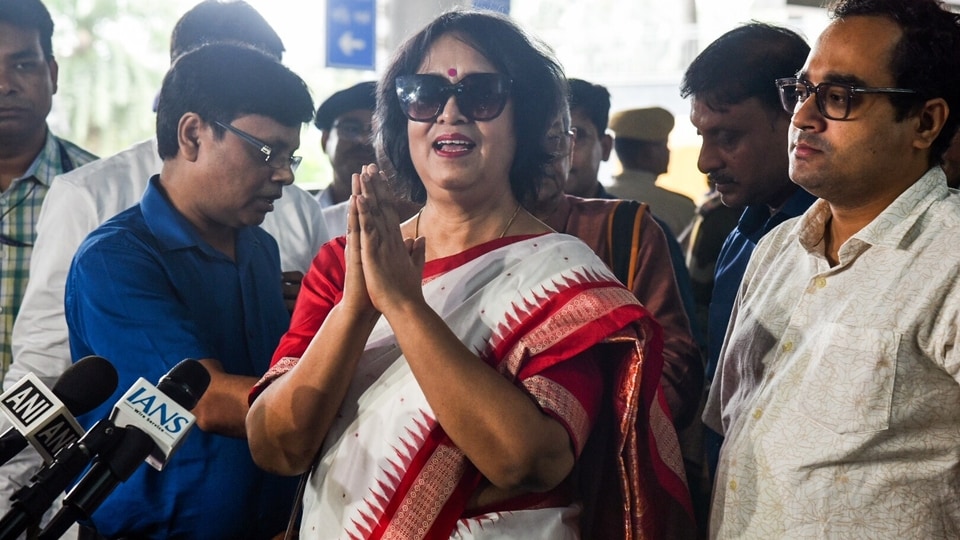
With folded hands, Nasreen greeted those waiting to receive her at the Netaji Subhas Chandra International Airport and said, "I am feeling very good to be back."
Her arrival comes ahead of a public programme here on August 1, marking her first public appearance in the city since 2007.
The event is expected to be attended by West Bengal Chief Minister Suvendu Adhikari and renowned author Shirshendu Mukhopadhyay.
Also read: Taslima Nasreen says Khaleda Zia sided with jihadists, banned books: ‘Will her death end my exile?’
Return after nearly two decades
Ahead of her visit, Nasreen told PTI that returning to Kolkata felt like coming back to "my own country" and described the city as her home despite nearly 19 years of exile.
"I feel as though I am returning to my own country. Bengal has never been divided in my heart by a border or a barbed-wire fence. The door to the eastern part of Bengal remains closed to me, so for now, this part of Bengal is my home," she had said.
Nasreen said she was returning "with joy, but also with pain", recalling that Kolkata had given her a home, friends, readers and a sense of belonging before she was forced to leave.
Also read: Exiled Tibetans mourn death of activist outside UN headquarters
Why Taslima Nasreen left Kolkata
"I never left Kolkata willingly; the then West Bengal government forced me to leave the state. Yet I never stopped hoping that one day I would return," she had said.
She described her return as more than a personal homecoming, saying it symbolised the return of a voice that fundamentalists had once tried to silence and reaffirmed the importance of freedom of expression.
Nasreen also thanked the organisers and the present West Bengal government for facilitating her visit and providing security.
She said the protection of a writer's freedom should not depend on the ideology of any government or the approval of any religious group but must be safeguarded as a fundamental right.
Nasreen's memoir 'Dwikhandito' was banned by the then Left Front government in the state in 2003 for allegedly hurting the sentiments of the Muslim community.


