
 E-Paper



Review: A Historian in Gaza by Jean-Pierre Filiu
On the ongoing devastation and suffering in Gaza and how people continue to hold on despite hardship, this is a picture of the nothingness that’s now left there

 Prefer HTon Google


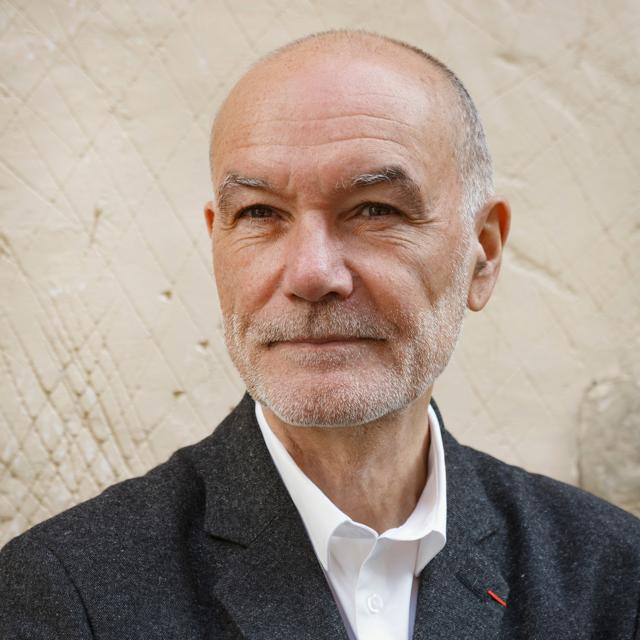
In the last few years, the world has seen several upheavals in the form of regime changes, riots, wars and more, and the fragility of the so-called world order has been laid bare. Jean-Pierre Filiu, author of A Historian in Gaza, decided to visit the place to see the situation there. The professor of Middle-East studies at Sciences Po, who has been visiting the region since the 1980s, was not ready for what awaited him; this book is an attempt to bear witness.
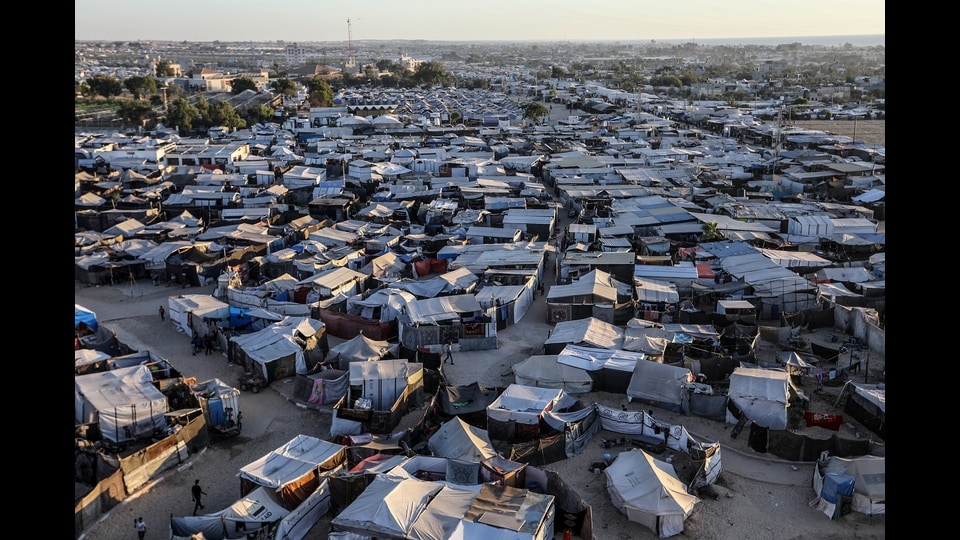
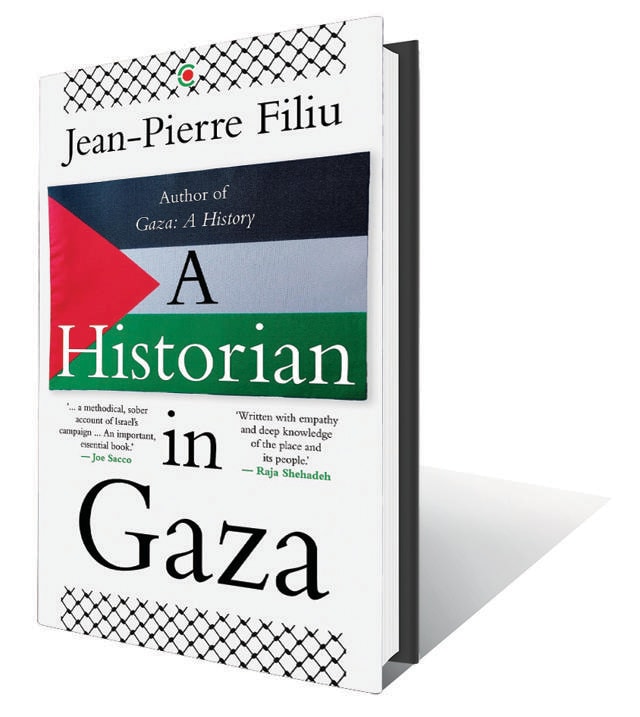
Filiu begins by underlining the ‘nothingness’ left in Gaza. He states that nothing could have prepared him for what he saw. This time around, he accompanied Doctors Without Borders as Israel wasn’t allowing any outsiders to enter the strip. He narrates his experience and accompanies it with a brief history of how several earlier peace agreements had failed to stop activities by Israeli settlers and had instead led to economic deprivation as even control of Gaza’s borders was taken over. He spent his month-long visit inside the “humanitarian zone”, a term coined by Israel to describe a few dozen square kilometres in the centre and south of the territory, and pronounces that “there is no safe place left in the Gaza Strip”.
A Historian in Gaza also shows how even those experiencing a genocide adapt to their circumstances. Here, distance is no longer calculated by a metric system but by the distance from the firing point of automatic weapons or where an Israeli strike has landed. And then there are calculations according to the wailing emerging from a funeral procession. Even amid this tragedy, children who have lost their homes and their loved ones come up with macabre games that involve guessing the type of aircraft involved in an approaching attack. While the conversation about Gaza usually focuses on Arab Muslims and Jews, Christian Gazans too have been targeted. The Latin patriarch of Jerusalem, Cardinal Pizzabella, was not allowed to meet his fellow Christians for several months. It was only when Pope Francis commented, “Yesterday, children were bombed. It’s cruelty. It’s not war” that the Patriarch was permitted to visit his parishioners. Though he did soften his opinions about Israeli action, the Cardinal ended his speech on a hopeful note: “Sooner or later, the war will end, and we will rebuild everything: our schools, our hospitals and our homes.”
While books on the conflict often focus on death and destruction and the horror wreaked on the concerned population, Filiu has also included a chapter on the politics of water in the region. The reader learns that something as pleasant as rain often becomes a bane for the people of Gaza. As many live inside tents in the humanitarian zones and make do with whatever amenities they can scavenge, heavy rain leaves them vulnerable to ill health, and the loss of possessions and places of refuge. The irony is that they need to collect drinking water every day even as they are battered by torrential rain. It is important to mention here that, since 1967, Gaza’s water resources have been controlled by Israel. Even in 2021, before the current troubles began, private and public wells were the source of water for 80 percent of the population. These had to be desalinated and purified. Fuel shortages mean the region’s three desalination plants operate at only 10 percent of their capacity.
A few centuries ago, it was common for royalty to exaggerate their achievements or whitewash atrocities through official records. Though the Age of the Internet is touted as being more transparent, the manipulation of social media and its algorithm shows that not much has changed. Such remnants of colonialism make it imperative to keep fighting to unravel suppressed realities. Jean-Pierre Filiu has attempted to present a true picture of what’s happening in Gaza for the world to see and for history to remember. It is a tale that needs to be told again and again.
Chittajit Mitra (he/him) is a queer writer, translator and editor from Allahabad. He is co-founder of RAQS, an organisation working on gender, sexuality and mental health.


