
 E-Paper



Review: The Anger of Saintly Men by Anubha Yadav
Set in Haryana, Anubha Yadav’s book explores the tragedy of the lives of boys as they strive to become men

 Prefer HTon Google


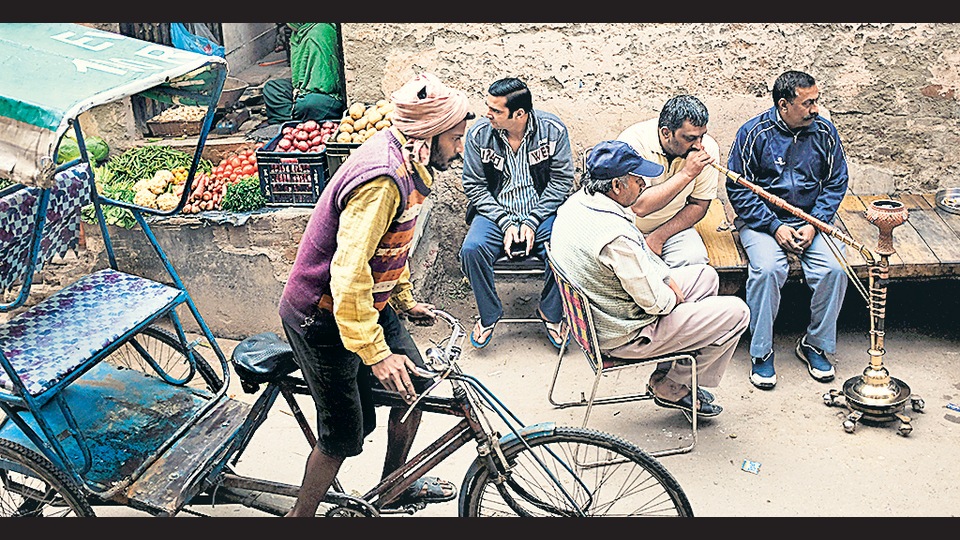
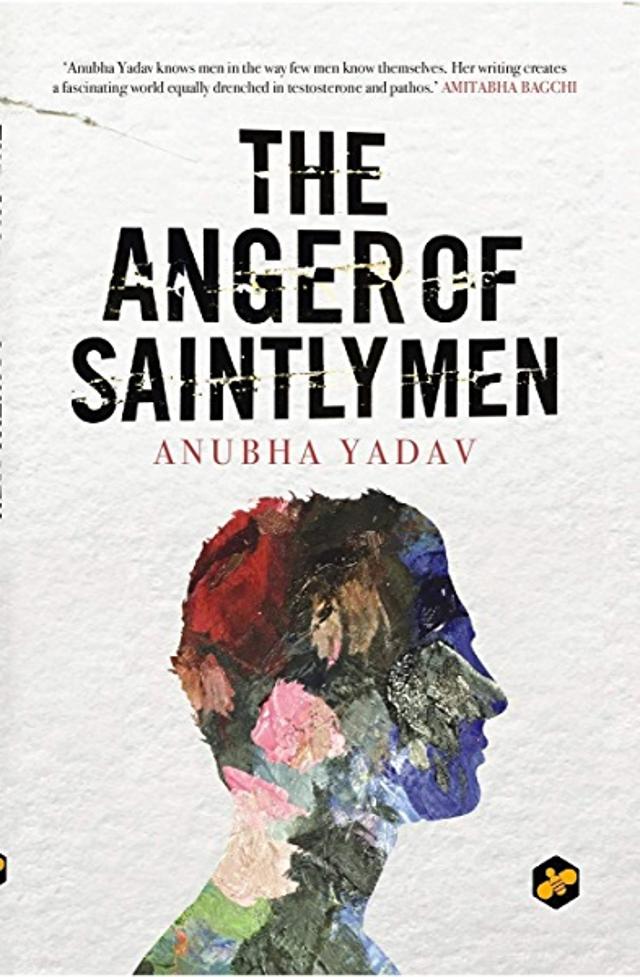
“They robbed us of everything that made us men.” — A minor character confesses his fear under the influence of a hallucinogen in Anubha Yadav’s first novel, The Anger of Saintly Men. It is the making of men, masculinity, and associated fears that is the overarching concern of this sensitive work of fiction. Set in the cow-belt of Haryana that has acquired increasing significance in New India, we are faced with men whose actions often occupy prime time news for the wrong reasons. Female foeticide, rampant sexual abuse, toxic masculinity, bestiality, incest, blackmail, suppressed homosexuality are all the inter-related ugly faces of patriarchy that leer from the novel’s pages.
Yadav has not only delved into the heart of Haryanvi men and given us a key to the generation that grew up in the 1990s. She has explored the tragedy that dogs the lives of boys in these parts as they strive on these elusive paths to becoming men rather than persons or humans. Through the lives of three brothers Sonu, Anu, and Vicky, we see the dreams and deliberations of the age of liberalisation at the capital’s border regions. Boys under pressure to grow up like men around them, to chase the IIT dream, and also coloured saffron. Although, Yadav avoids mentioning the common headline trope of gauraksha, religious forces peeks in with a sanyasi cult that destroys a family through a man’s abandonment. Sex and sexuality are yearning to break out from the veneer of middle class respectability and maintaining social status. Boys are high on hormones they are not sure how to expunge, men resort to abusing boys or girls that they can lay their hands on. Even by the end, the fear, the object of petty humour are “Some boys [who] never become men”. And leading thwarted lives themselves, maintaining social pretences, they destroy the lives of women and children around them.
Yadav’s style is hardhitting. The novel is divided into three sections, each focussing on one brother’s perspective and life. Other male characters are also shown to have their own unique problems in navigating life and sexuality. Her fiction confirms that the warp of patriarchy is continuous and ubiquitous. It begins in the novel at the fringes of Delhi, but goes into the elite educational bastions of the IIT and spills on to corporate life, and back. No one is spared.
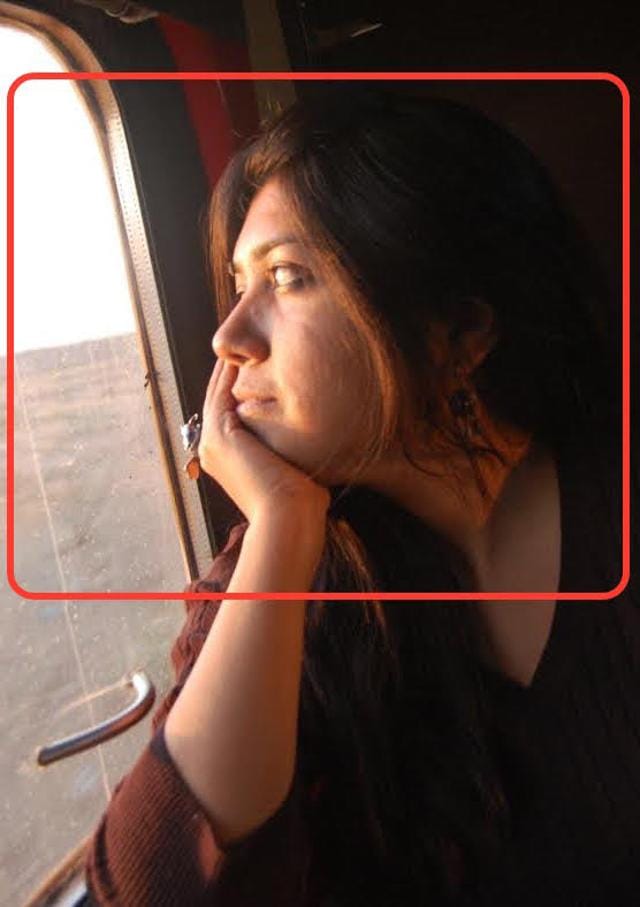
The language seeks to carry this charge. But gets caught, I felt, in the language paradox that bogs all Indian fiction in English but more some than others. The reality is that most Indians, and definitely most of Yadav’s cast, are at best limited English speakers. Haryanvi men lead their everyday lives talking, cussing and making love in dialectal Hindi. So too Anubha’s first narrator tells us in the opening sentence about the father’s habit of not scratching his balls but his “lund and kanchas”. This sets the tone a certain way but also confuses the linguistic impact of the novel. Other works of fiction mediate this paradox through characters often aligned with the authorial voice of middle-class, cosmopolitan, English-conversant characters, and so narrate the vernacular world to the English reader. Yadav’s novel for the most part lacks such English-speakers. It is only by the final section that we get a fluent English-speaking narrator when the younger son who’s been to IIT and has a corporate career is telling his story, and this does reflect greater fluency in the text. But most of our narrators as characters would not be English speakers, then why this narrative choice? Could Yadav have stuck with a third person voice? Could she have written the novel in Hindi?
Still, the author draws her scenes adroitly with a cinematic eye to detail, and a sensitivity into (Haryanvi) men’s hearts that few possess. It’s not that she is uncritical towards the brutality performed by her “saintly” men in their everyday lives on others. But she also retains a tender touch of sympathy towards them for the patriarchal brutality that has produced them. As a filmmaker and academic, Yadav is familiar with the various dimensions and techniques of storytelling. Jump cuts, diary entries, letters, news reports, asynchronous narration all are abundant markers of her craft in the novel. But what shines through is her own humanity that is able to perceive the frayed humanity of her men with such a strong closeup.
Maaz Bin Bilal is a poet, translator, and cultural critic. He teaches literary studies at Jindal Global University.


