
 E-Paper



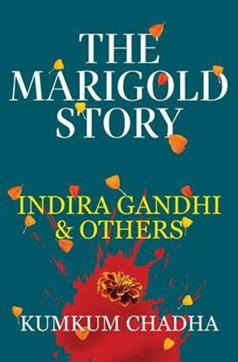
Review: The Marigold Story by Kumkum Chadha
From anecdotes about politicians to stories about film stars, Kumkum Chadha’s The Marigold Story is a fun book, full of memories from a forgotten era


In this day and age when women journalists appear daily on our television screens and when, on any given day, the best stories on the front pages of our newspapers will be written by women, it’s hard to imagine that there was a time when journalism was seen as a man’s profession.
And yet, that is pretty much how it was when Kumkum Chadha started out at the Hindustan Times. In those days, the HT was full of hard-boiled newsmen who had contempt for the notion that a woman could do the jobs that they believed they had mastered.
Oh yes, there was room for women in some of the feature sections and yes, there were what were known as ‘women’s stories’: sending someone to interview the widow of a slain army officer, for instance.
But the notion that a woman could do the same job as a man – let alone, do it better than the man – was regarded as laughable. When female reporters went to meet ministers they were often treated with exaggerated deference but they also left the meetings with nothing of substance. Ministers believed that women simply were not worth giving the big stories to.
While I yield to no one in my admiration for today’s women journalists, both in print and on TV, I often feel that India’s pioneering women reporters have never quite got their due. We forget now that they didn’t just have to go out and get the story. They had to first make sure that they were allowed to go and get the story. And then, if the story was any good, they had to face innuendo and sneers about how they managed to unearth something that could make the front page.
More power then to journalists like Kumkum Chadha who confronted this discrimination, overcame it and went on to become stars. In this collection of memories, Chadha remembers some of the people she interviewed over her long career. What is impressive is that she makes no distinction between so-called hard stories and soft stories. She is at much at ease writing about Arun Jaitley as she is in celebrating the success of Ekta Kapoor.
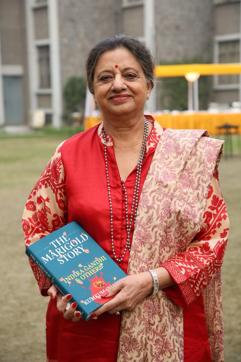
From what I can remember, Chadha has always refused to make such distinctions. She did better political stories than many of the hard-drinking, chain-smoking, veterans of the bureau and yet, she felt no embarrassment at all in writing about, say, Smita Patel – about whom there is a whole chapter here.
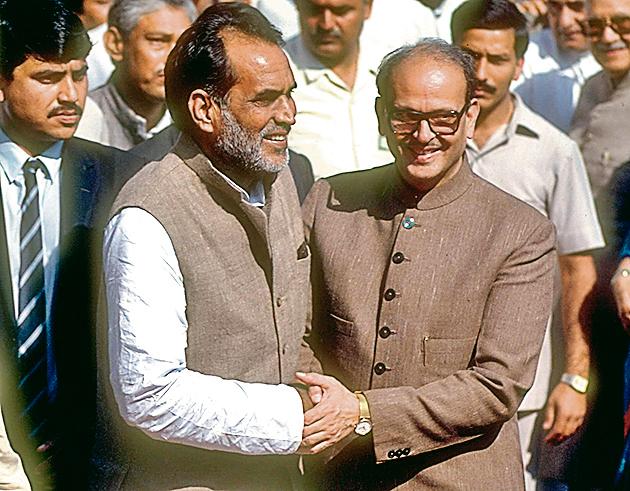
My own favourites are the chapters that include anecdotes about politicians who are now sadly forgotten. Chadha says that Chandra Shekhar was “among the rare breed of politicians, now completely defunct, who had the answer to every question and would share information not just push his own agenda”.
Read more: I have to make an effort to smile: Different strokes with Nirmala Sitharaman
Even Giani Zail Singh comes off well. Chadha writes with affection about his problems with English and the general nervousness that afflicted his friends when the Giani met Queen Elizabeth. What language would he speak to her in? How would he address her? (In the event, Zail Singh did okay though Chadha worried, as the Giani and Queen drove off, that he would playfully tap her on the shoulder and call her “Bibi”.)
It’s a fun book, full of memories from a forgotten era and one more reminder of how much journalism owes to that early generation of women who broke down the walls of patriarchy.


