
 E-Paper



Review: The Roof Beneath Their Feet by Geetanjali Shree
Reflecting Indian mohallas and the joint families who live there, this is a tale of the complexity of female desire and the nature of grief

 Prefer HTon Google


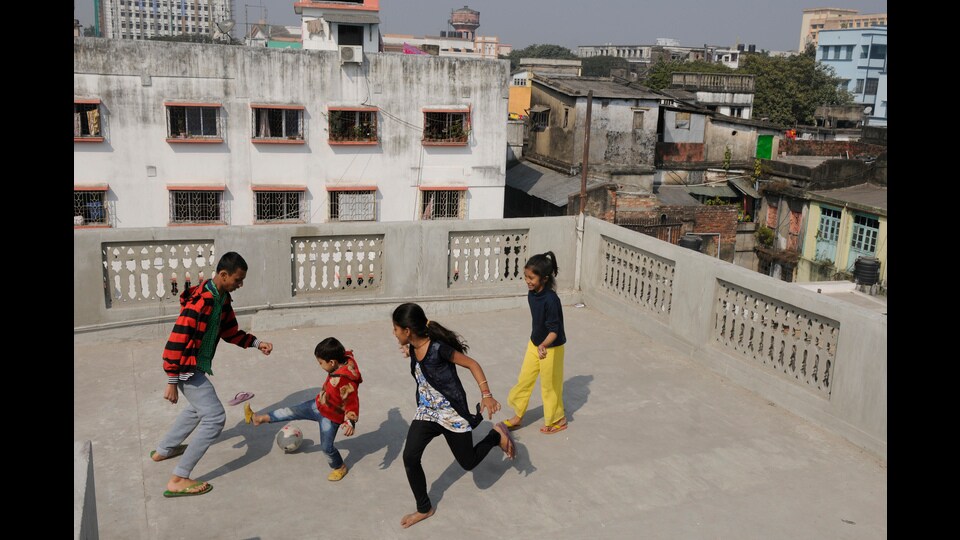
With the roof beneath their feet and the whole sky above, what is impossible anymore? What ties can’t you break? The roof is used by children to run around and be mischievous, but it is also frequented by women. Roofs are meant for drying pickles and hanging wet clothes, they are the spot for forbidden romances. The roof provides freedom – sexual freedom, freedom from the male gaze, freedom for desire, and freedom from society. Ishq par zor nahin. There is no way to restrain passion on the roof. It is where women have secret lives and friendships are formed.
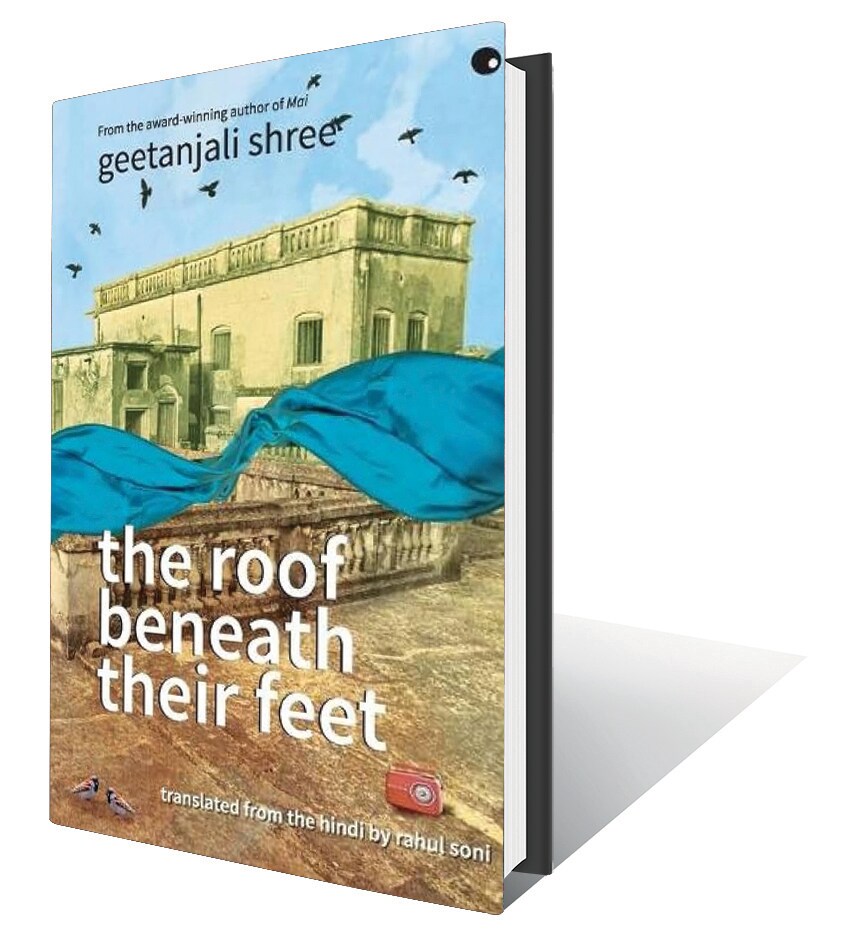
Geetanjali Shree’s The Roof Beneath Their Feet tells the story of Laburnum house. It is the story of Chachcho who has died, and of Bitva (Chachcho’s nephew) and Lalna (Chachcho’s special friend who also helped around the house), who are mourning her.
This is a tale of the complexity of female desire and the nature of grief. As always, the author’s prose is lyrical and her characters are animated. Translated from the Hindi by Rahul Soni, The Roof Beneath Their Feet is a reflection of Indian mohallas and the joint families who live there.
Laburnum house is in mourning. Everyone’s beloved Chacchho has passed away leaving behind the ghost of Lalna and her nephew (Bitva) who may or may not be Lalna’s son. In the first part of the book, the narrator, Bitva, is trying to find out what Lalna meant to Chaccho and which one of the two is his mother. Where does he come from? Who is on the inside of the family house, and who is the outsider? The doors of the house are supposed to keep the outsider on the outside. But who is the outsider here? The narrator, Bitva? Or is it Lalna, the mysterious woman whom Chaccho took in after she was abandoned by her husband? Was Chaccho’s neglectful husband, Om babu, Lalna’s lover? Or was Chaccho Lalna’s lover? There are always rumours in the mohalla. Is any mohalla complete without rumours? Children spy through skylights on the roof, they see what goes on below and make up the rest and spread rumours. Did they really see Lalna with Chachcho?
Geetanjali Shree’s prose is animated – the walls and doors have a special role to play. They hold people’s secrets. They have seen and heard things. They have eyes and ears, but none of the biases of people. If only they could tell stories, what would they say about Chachcho and Lalna?
At the beginning, the narrator, Bitva is mourning the loss of Chaccho, who was like a mother to him. As she disappears, Lalna appears outside the door of Laburnum house; as Chachcho took her last breath, her lips said “Lalna”. Lalna had a very special friendship with Chaccho and she is taking over Bitva’s mourning, just like she took everything else – Chaccho’s saree, her shawl, her place, and even her husband (or so some people of the mohalla believe). Or did she? What is true and what is false? Is there any such thing as a reliable narrator? The narrator is trying to find out where he comes from. What are his roots? Where does he belong? What will this knowledge cost him? We are yet to learn. He wants to know when Lalna will leave him alone so he can mourn Chachcho. Lalna is taking away Chachcho from him in death, just like she did when Chachho was alive.

What is motherhood? Is it biological? Who is Bitva’s mother? Bitva knows he did not come from Chachcho’s womb. Is he angry about that fact? Where did he come from then? Lalna? Lalna knows that motherhood does not come from the womb. Bitva is Chachcho’s son and Chachcho will always be Bitva’s mother.
There are fleeting moments, glimpses of erotica, exploring female desire and homosexuality. As the book opens into the second part, Lalna becomes the narrator. We learn that Lalna indeed has a special relationship with Chaccho. She is not trying to take Chaccho’s place, she is here for her boy, her bitva. She saw Chaccho’s girlhood, they played together, they sang together, they held each other’s secrets. Then one day, Lalna left only to return after Chaccho’s death. What is she mourning? Is she mourning her beauty and her desire? Was it love?
The people of the mohalla say that Lalna belonged to no house; she only belonged to the roof. This belonging and unbelonging gave her the freedom to live her life on her own terms. What do people on the outside understand about the going-ons of the inside of Laburnum house? They thought Chachcho was covering herself after her husband’s death. But Chaccho, who had long stopped living for her husband and his affection, was hiding her ageing beauty from herself. She was once youthful and beautiful. What does female desire look like in the absence of men?
READ MORE: Interview: Rahul Soni, translator - “I often wonder, is hopefulness a truthful stance?”
What does mourning look like? What is the nature of grief? These are some of the questions that Geetanjali Shree explores. In The Roof Beneath Their Feet, grief takes different forms. It spreads everywhere. Memory becomes grief. This is a lucid meditation on desire, grief and belonging.
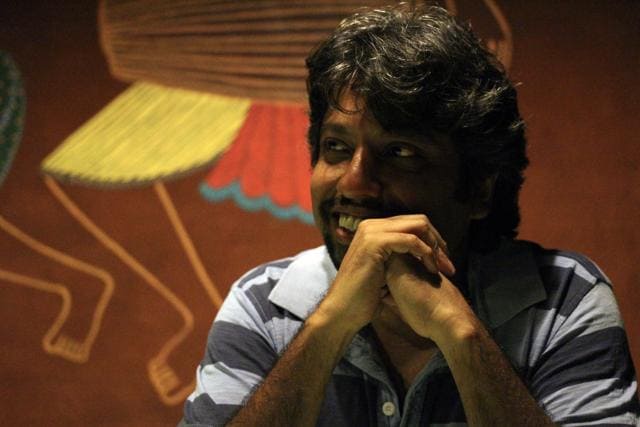
Sharmistha Jha is an independent writer and editor.


