
 E-Paper



Sanam Sutirath Wazir – “I aim to shed light on the enduring effects of violence”
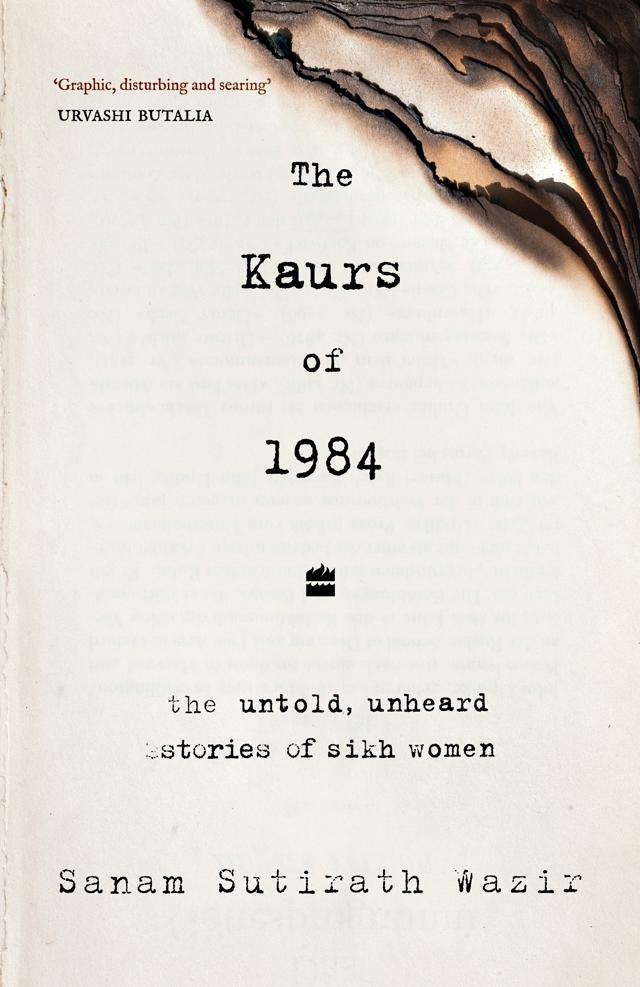
The author of The Kaurs of 1984 talks about highlighting personal stories of women survivors of the anti-Sikh riots so readers can grasp the full impact of events on lives

 Prefer HTon Google


What was the driving force behind The Kaurs of 1984? Did you feel that, in addition to the official documentation like the Amnesty report you worked on, there was a need to highlight the personal stories of the survivors of the riots and the events leading up to them in a different way?
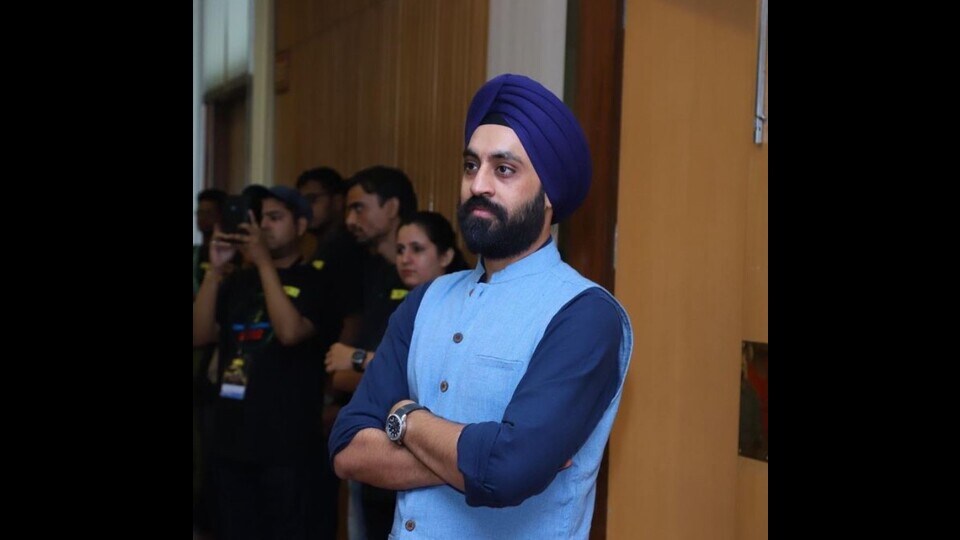
The primary motivation behind writing The Kaurs of 1984 was the urgent need to document the firsthand testimonies of survivors of the 1984 violence. As many of these survivors are now elderly, it was crucial to capture their stories before they are lost to time. While extensive work has already been done by others on the events of those three days, I felt it was equally important to explore what happened beyond the immediate violence — particularly the long-term impact on women and their ongoing struggles.
My goal was to highlight the personal stories of those affected, emphasising that the true trauma extends well beyond the days of violence. The aftermath and its impact on individuals’ lives are often overlooked, yet they are essential for understanding the full scope of such tragedies. By focusing on these personal narratives, I aimed to shed light on the profound and enduring effects of violence, ensuring that the survivors’ experiences and challenges are acknowledged and remembered.
1984 is deeply etched in national memory and has come to be documented in various forms, however women survivors have rarely found themselves at the centre of these accounts. Why have their stories been invisible?
The invisibilisation of women’s experiences can be attributed to several factors.
Firstly, historically, women’s narratives have often been marginalised or overlooked in documentation and historical accounts. This pattern is not unique to the 1984 violence but is a widespread issue, reflecting broader societal tendencies to erase or minimise women’s voices in historical records.
Secondly, the immediate focus of many accounts tends to be on the larger political and social aspects of such tragedies, often sidelining the personal and gender-specific impacts. Women’s experiences, particularly those related to violence and trauma, may be deemed secondary to the broader political narrative, leading to their stories being less prominently featured.
Additionally, there may be cultural and social barriers that contribute to the invisibilisation of women’s stories. Societal stigmas and taboos around discussing sexual violence or trauma can silence survivors and hinder their stories from being shared or heard.
Overall, addressing these issues requires a deliberate effort to centre women’s voices and experiences in historical documentation and public discourse, ensuring that their stories are given the prominence and recognition they deserve.
Did you face any roadblocks while conducting interviews for the book, given the vulnerable nature of the stories of trauma that these women shared?
One significant challenge was earning the trust of the survivors. Many were understandably reluctant to revisit their painful experiences, fearing retraumatisation or doubt. It was crucial for me to create a safe and empathetic space where they felt comfortable sharing their stories.
The emotional toll of these interviews was another hurdle. Handling such deeply personal and distressing recollections required a great deal of sensitivity. I had to be very mindful of not exacerbating their trauma while documenting their experiences.
Practical challenges also arose, such as limited access to some survivors and concerns about maintaining anonymity for those who wished to remain unnamed.
Despite these difficulties, I remained committed to approaching each interview with compassion and respect, recognising the importance of preserving and highlighting these crucial personal stories.
Tell us about your research plan. How was the process of procuring affidavits from the authorities and were there any other archives you consulted?
My research plan was both comprehensive and methodical. It focused on capturing personal testimonies by interviewing numerous survivors and witnesses to document their firsthand experiences. I also accessed official documents, including reports, FIRs, and affidavits, through the Right to Information (RTI) Act to provide factual context and substantiate these personal accounts. Additionally, I consulted with researchers who have archived testimonials to further corroborate and enrich the information. This multifaceted approach enabled a detailed and nuanced exploration of the events and their aftermath.
One of the most challenging aspects of my research was procuring copies of documents through RTIs. The process, especially when dealing with government reports, was often tedious and required multiple appeals, making it a lengthy and frustrating cycle. Additionally, responses from officials were not always helpful, which added to the difficulty. Obtaining copies of FIRs was also problematic due to their age; it required navigating between various police stations, which was time-consuming and cumbersome. These obstacles made the research process particularly demanding.
There is a very personal tone to the ways in which the sequence of events and the tragic consequences are documented here. Was that a conscious choice?
Yes, the personal tone used in documenting the sequence of events and their tragic consequences was a deliberate and conscious choice. My objective was to emphasize the human aspect of the 1984 violence by focusing on the individual stories of survivors. By presenting their personal experiences, I aimed to create a deeper, more emotional connection with readers, allowing them to grasp the full impact of the events on real people’s lives.
This approach was essential for capturing the nuances of the trauma and suffering endured by the survivors, which can often be lost in broader historical or political narratives. By weaving together their personal accounts, I sought to highlight not only the immediate horrors but also the long-term effects on their lives. It was important to me that the book conveyed the enduring emotional and psychological scars left by the violence, providing a fuller, more empathetic understanding of its aftermath.
The book is structured in a linear fashion, from Operation Blue Star to the riots and the aftermath told through the perspective of the women survivors followed by a long epilogue. Was that how you had envisioned it from the beginning?
Initially, my approach was focused on collecting and recording as many stories and testimonies as possible. However, as I began to structure the material, I realised the importance of framing these narratives chronologically to reflect the two parallel stories emerging from the events: one in Delhi and the other in Punjab. I decided to start with the events in June, then move to the violence in Delhi, and finally address how some women from Delhi eventually relocated to Punjab.
As I worked on the final draft, it became clear that there were numerous important stories that needed to be included. Since the book is an oral history account, I wanted to ensure that as many voices as possible were represented. This led to the decision to include a comprehensive epilogue, which provides additional narratives and perspectives. This structure was designed to offer a thorough and nuanced understanding of the events and their impact, while highlighting the diverse experiences of the survivors.
Were there any literary works or authors you consulted or were inspired by, who have similarly written extensively-researched accounts of politically supported mob violence?
I drew inspiration from a wide range of literary works and authors, and I was fortunate to receive guidance from several experienced voices in the field. I was deeply influenced by the works of Urvashi Butalia and Nivedita Menon, whose writings on gender and political violence provided significant insights. Additionally, I received valuable guidance from mentors such as Harminder Kaur and Uma Chakravarty, who helped refine my approach and narrative techniques.
Josy Joseph played a crucial role in advising me on how to effectively approach and narrate such complex stories, while Omair Ahmad provided essential advice on structuring these narratives. The collective influence of these authors and mentors, along with numerous other books and resources I engaged with, profoundly shaped my approach to writing. Their contributions were instrumental in helping me develop a nuanced and empathetic account of the events.
The book also highlights the harassment from authorities faced by women survivors post the traumatic events that changed the course of their lives and the continued inaction by the government and the justice system which has left, as you mention, the Sikh community in a state of restiveness. How do you feel that reparations can be made in this regard moving forward?
When discussing reparations and reconciliation, the most crucial step is acknowledging that the events in question represent a national shame. This recognition is essential for meaningful progress. Reparations and reconciliation must begin with a commitment to justice and accountability.
It is also vital that solutions for moving forward are determined by the victims and survivors themselves rather than by external parties. They are best positioned to decide what would bring them closure and address their needs.
Furthermore, it’s important to understand that the history of atrocity and oppression is a shared one. Any resolution or reparative measure should reflect the voices and perspectives of those directly affected. By prioritising their input and addressing their needs, we can work towards a more just and empathetic response to the past.
Given the veil of silence surrounding narratives of sexual violence, how have your interviewees reacted to the book?
Throughout the writing process, I made a conscious effort to be transparent and respectful. My goal was always to present the truth while ensuring that the women whose stories are featured felt comfortable and represented accurately. I made sure to go back to each woman I interviewed and share with them how their stories were portrayed in the book.
One particularly touching moment was when I shared Satwantji’s story with her at Darshanji’s home. Satwantji responded with deep emotion, saying, “I got goosebumps while listening to this. Nobody could have put it in a better way.” This feedback was incredibly validating and meaningful as it reassured me that the book had honoured her experience with the sensitivity and respect it deserved.
Overall, the feedback from the women has been positive, and their satisfaction with the book’s handling of their narratives reinforces the importance of giving survivors a voice and telling their stories with care and accuracy.
Simar Bhasin is an independent journalist.


