
 E-Paper



Review: The Retreat by Zara Raheem
The Indian American author’s second book is about what happens to a couple after their supposedly happily-ever-after moment

 Prefer HTon Google


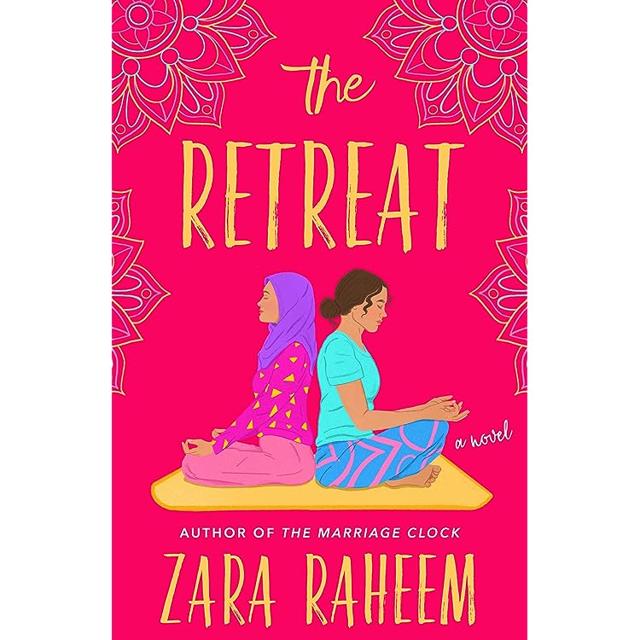
After the release of her acclaimed debut novel, The Marriage Clock, Indian American author Zara Raheem is back with her second book, The Retreat. While The Marriage Clock was about a young woman’s search for love and marriage, The Retreat is a story about what happens to a couple after their supposedly happily-ever-after moment.

Nadia Abbasi, an optometrist, has been married to her cardiologist husband, Aman, for 10 years now. Like most marriages, theirs too has had its share of ups and downs. With four failed IVF cycles and multiple miscarriages, the one sore point is that they have not been able to have a child. Additionally, Nadia is scarred by the death of her mother who succumbed to cancer the previous year.
While Nadia realises early on in their relationship that passionate gestures aren’t exactly Aman’s strong point – his gifts are always utilitarian rather than romantic – there are bigger issues to battle. When she chances upon some undeveloped negatives from her husband’s camera in a trash can, she is shocked to see they are visuals of him getting intimate with another person – complete with roses, candles and an anniversary card in the background. This revelation, combined with his recent lack of availability – late nights at work, overtime shifts, unreturned calls and perpetual texting – makes Nadia suspicious that he is having an affair. She notices her husband’s sudden obsession with his looks and getting into shape – buying new clothes, eating healthy and hitting the gym after work, and begins to miss the man she had married.
In order to make sense of her situation, Nadia enlists the support of her estranged elder sister, Zeba. The sisters had been inseparable until their mother’s illness caused a rift in their relationship. As Zeba became the primary caregiver, an unspoken resentment wedged itself between the sisters. However, over the course of this new ordeal, they manage to repair their strained bond. Along the way, Nadia realises she is haunted by her own childhood. Her father had deserted the family for another woman when they were little and had never returned to their lives. “Everything she always believed to be true had suddenly transformed into something strange and unknown,” writes Raheem.
All those years ago, divorce was considered shameful in the conservative South Asian Muslim community. Consequently, the family kept up the charade of being a perfect family and continued to lie to themselves and everyone around them. Nadia thinks of how the older generation especially avoided discussing uncomfortable and awkward topics. It is possibly this training in clinging to the pretence that compels her to give Aman the benefit of the doubt and her marriage a chance for survival, despite several contrary signs. With more tangible proof, Nadia learns that her doubts aren’t unfounded. When she confronts Aman about it, he denies it at first, refusing to speak honestly with her. Over a period of time, he finally confesses to her – though without divulging any concrete details.
A devastated Nadia is left trying to piece together fragments of the mystery herself, investigating and uncovering the truth through the few clues she has. It leads her to a yoga studio, and she ends up reluctantly signing up for a weekend wellness retreat in the mountains – where everyone seems to be eating sticks and leaves, while discussing auras. Little does Nadia know that these three days will change the trajectory of her life forever. As the plot moves along, the author keeps the reader guessing right till the end of the book.

Psychotherapy has shown us the great influence of childhood experiences on the perceptions and behaviour of the adult individual. The Retreat too suggests that, whether we know it or not, we tend to carry around residual baggage from our childhood into our adult lives. Try as we might, it’s often hard not to repeat the mistakes that grownups around us made.
No marriage is straightforward and ultimately, Nadia learns a thing or two about the nature of love – that just like life, it’s a balance of holding on and letting go. A quick and engrossing read, The Retreat does a good job of presenting the dilemmas of women from the Indian diaspora, caught as they are between the stifling and outmoded mores of their families and the liberal culture of the new country they call home. “Sometimes things have to come undone in order to be put back together again; it’s in the process of mending that one discovers what it means to be whole,” writes Raheem.
A freelance writer based in New Delhi, Neha Kirpal writes primarily on books, music, films, theatre and travel.


