
 E-Paper



Wigtown: the perfect place for a literary getaway
Scotland’s National Book Town, that just hosted the annual Wigtown Book Festival earlier this month, offers multiple bookshops and book cafes along with unspoilt outdoors that set you up for long walks and solitude

 Prefer HTon Google


Wigtown was once known on account of the martyrs who were put to death in 1685 for their refusal to accept Episcopalian church services and the fact that the King had the right to call himself head of the church.
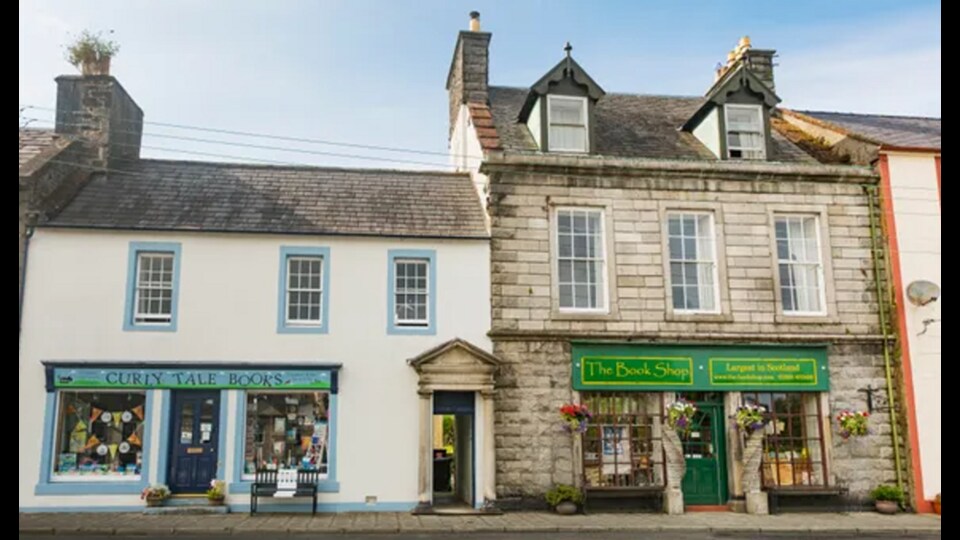
But since 1997, the sleepy Scottish market town, home to barely 900 people, has donned a new avatar. Set in the beautiful countryside of Dumfries & Galloway, it has become popular as Scotland’s national book town. The town’s regeneration in the last 27 years is an example of how books and community can come together to catalyse development and revitalise a floundering economy.
Wigtown, which has been settled for at least 1,000 years, once enjoyed strategic and commercial importance on account of its location. Standing on a hill overlooking the sea, it was the ferry point to cross the tidal river until the early 19th century.
But the town had hit rock bottom by the early 1990s. The closure of a distillery and a large creamery led to the loss of more than 200 jobs, and the community’s fortunes had collapsed. Shops and businesses started closing down, and the younger generation began moving out amid a high unemployment rate. A local newspaper even published a story about “tumbleweed blowing down the street”.
Anne Barclay, local resident and now Operational Director at Wigtown Book Festival, recalls growing up in the small town. “I walked to school past derelict buildings with boarded-up windows and flaking paint, yet my memories of growing up in Wigtown are extremely happy ones of a town with unwavering community spirit,” she says.
Many other small towns in Scotland were facing a similar fate. That was when the idea of a ‘book town’ modelled on Hay-on-Wye in Wales came up. Six small towns submitted bids, and an international panel chose Wigtown from the pool that included Gatehouse of Fleet, Moffat, Dalmellington, Strathaven, and Dunblane.
“The day Wigtown was proclaimed most likely to succeed as Scotland’s Book Town, more than 80 properties were on the market. Today there are only five and unlikely to be there for long. Thousands of booklovers visit the town every year to enjoy festivals and events, and to explore the bookshops, seeking treasure among the shelves,” Barclay says.
In 1998, the new Scottish Parliament acknowledged Wigtown as Scotland’s National Book Town. That was the opportunity that the community had been looking for, and the people grabbed it to transform their town’s social, economic and cultural fabric.
Sandra McDowall, secretary of the community council that made the bid for book town status, said that “winning gave us back our hope and our confidence. And over the years it’s all just kept on growing. It’s been an amazing journey”.
The first Wigtown Book Festival was held the year it was anointed Scotland’s national book town. More than 3,000 authors and performers have been a part of the journey since then, bringing over 300,000 visitors with them.
Barclay says the festival welcomes thousands of visitors and local residents every year and generates over £4 million for the economy. “We are incredibly lucky to have more than 120 volunteers who support the events – more than 10 percent of the town’s population – and phenomenal support from the community above and beyond that,” she says.
But there’s so much more that the book town status has done. Wigtown today has 15 bookshops, including Scotland’s largest second-hand book shop and the country’s only feminist book store. A walk down the high street, beginning from the Mercat Cross in the centre of town, showcases the multifaceted nature of these shops.
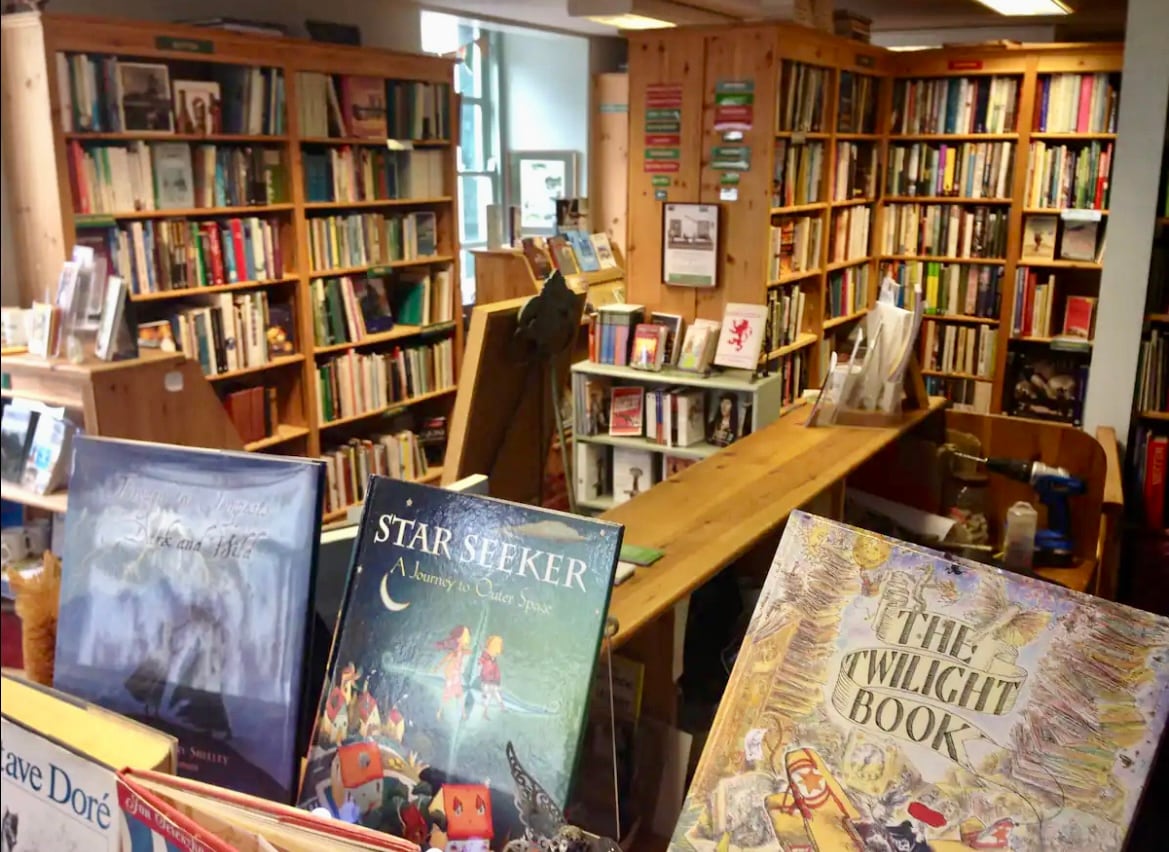
I begin at the Book Shop, which has more than a mile of shelves and stacks, and stocks as many as 100,000 books. A cat named Captain seems to play hide and seek, approaching when I least expected and disappearing if I seemed in a mood to pet him. Next in line is Curly Tale Books, which offers a selection for children, from babies to young adults. The Old Bank Bookshop, which is located in what was once an old bank, specialises in antiquarian books.
Number 11, run by the Wigtown Festival Company, stocks a variety of books along with local arts and crafts. Byre Books, specialising in mythology and folklore, and Faodail, which sells first editions and antiquarian books, are also worth a visit.
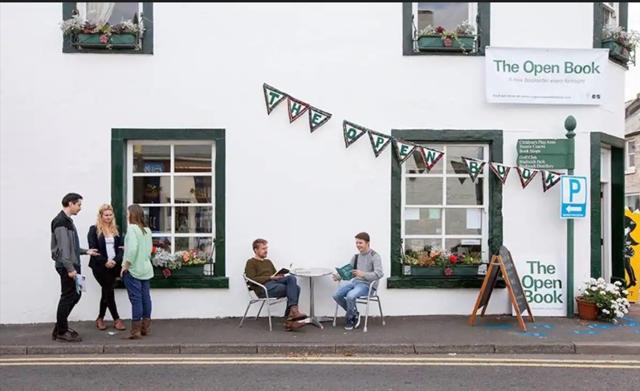
My favourite is the Open Book, a store that allows booklovers to live their dream: of running their own bookstore.
Started by author and filmmaker Jessica Fox, the bookstore has an apartment located above it that’s open to rent on Airbnb. The Open Book, which started taking bookings in August 2014, has had more than 400 people come and stay – and run the bookshop! It would be the perfect place to enjoy a bookish holiday, I think. A quick Airbnb check reveals that I’m not the only one with that idea – the place has a two-year waiting list!
The people who come to stay and bookshop-sit have contributed about £10,000 a year to the Wigtown Festival Company’s charitable work.
Around town, the literary influence is apparent in the cafes as well. Beltie Books & Café promises books and art with coffee, tea, cake, or lunch while the pink-fronted ReadingLasses Bookshop & Café, which specialises in books by women, offers bakes and savouries with your cuppa. Interestingly, the Glaisnock Guest House and Café runs Shoots and Leaves, a seasonal book-themed vegan eatery, and, yes, sells books.
I stop at the aptly named Books and Bakes for a pick-me-up. As I scarf down the piping hot soup and crusty bread, the server tells me about another bookish connection in Wigtown: The Bookshop Band.
“Beth Porter and Ben Please write and perform literature-based songs. They tour independent bookshops and other venues across the world and live in Wigtown,” she says. I look suitably impressed as I chomp on, making a mental list to check out these bookish musicians.
Most people who come to Wigtown love books, and it’s not surprising that they make a beeline for the annual literary celebration. The Wigtown Book Festival offers numerous literary events and activities, including a Main Programme, the Big Wig children’s festival, and a YA series.
Lee Randall, Wigtown Festival programmer, says: “We make sense of our world through the stories we tell one another, and this year’s crop of authors have amazing, fascinating, even hilarious tales to share.”
Held from September 27 to October 6, 2024, this year’s festival headlined poet Pam Ayres and Scottish actors Alan Cumming and Forbes Masson. Other attendees included naturalist Kate Humble, comedian Janey Godley, singer and songwriter Cerys Matthews, novelist Irvine Welsh, and children’s authors Frank Cottrell Boyce and Pari Thomson (winner of the Waterstones Children’s Book Award 2024).
The 10-day literary celebration included more than 250 events for all ages, beginning with the traditional opening night fireworks and pipe band and ending with the final weekend ceilidh, a Scottish social event with music, dance, and storytelling. A food festival was also held on the sidelines.
“The festival showcases the great things the town and local area have to offer. Visitors and visiting speakers often say that they feel like a member of the community while they are here -- that’s entirely down to the warm welcome Wigtown offers. It weaves its magic in your heart,” Barclays says.
But there’s more to Wigtown’s magic than the books. Known as the gateway to the Machars, a peninsula full of pretty villages and excellent coastal scenery, the town is worth a visit even when the festival isn’t on.
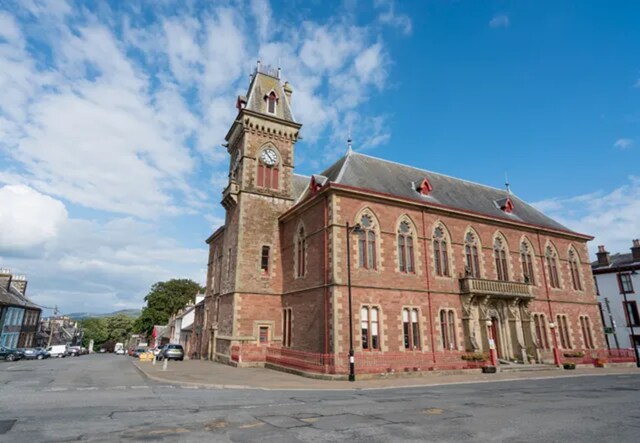
The County Buildings, an imposing red-brick building looms over the town square, and has a small museum. The Craigard Gallery sells paintings, ceramics, prints, postcards, art equipment, and a few books, of course! Weekends are enlivened by the Saturday street market that offers an assortment of local produce, cakes and bakes, arts and crafts, and vintage homeware.
Barely a mile from Wigtown is Bladnoch Distillery, a lowland single malt scotch whisky distillery. Located on the banks of the Bladnoch River, Scotland’s most southerly whisky distillery is one of only six remaining Lowland distilleries. A tasting tour at the 207-year-old establishment makes for a great day out!
A 6km walk takes me to the Martyr’s Stakes. This is where two Scottish Covenanters, Margaret Lachlane and Margaret Wilson, were tied to stakes in the mudflats and left to drown when the tide came in. This gruesome punishment was meted out during a bloody period known as “Killing Years”, amid a struggle for who had the authority to govern religion, God versus King.
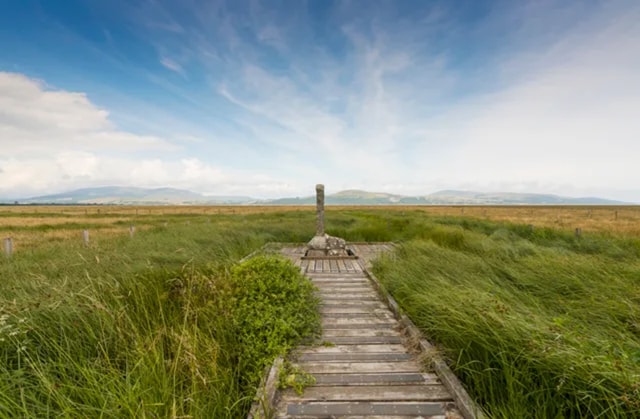
As I ruminate on the bloody past that all countries seem to share, I find myself exploring the countryside on foot. And there are so many places waiting to be discovered: to Torhouse Stone Circle, St Medans Beach, Garlies Castle, and Steam Packet Inn on the Isle of Whithorn.
“With 15 bookshops and related businesses, the annual Wigtown Book Festival, Spring Book Weekend, events for adults, young people and children, visitors are sure to find something to interest, entertain and inspire them. The pace is relaxed, the cake is delicious, and the Bladnoch Dram a perfect accompaniment to a good book beside a roaring fire. A warm welcome awaits in this book lover’s haven,” Barclay says.
The kaleidoscope of beautiful pastoral landscape, rugged coastline, woodland and forest, moorland and mountain also makes Wigtown the perfect setting for walks and days out. Could there be a better place to ruminate over the plot of that murder mystery I’m convinced is in me? And, of course, I know just the perfect place to live in when I ultimately think it through. The Open Book!
Teja Lele is an independent editor and writes on books, travel and lifestyle.


