
 E-Paper



Overzealous runners note: Rest is an important part of training else…
You might end up with Ilio-Tibial Band Syndrome or pain on the outer portion of the knee


Sunil, an avid trekker and endurance athlete, decided to tackle Kilimanjaro, the highest mountain in Africa. To prepare for the arduous trek, he increased his weekly mileage and also added hill runs. A month into his training programme, pain in the outer portion of his right knee started. Initially the knee was slightly tender, but soon it turned into a sharp, burning pain. As he continued his training, his knee started to swell and he could not even walk, let alone run. Sunil had to put his Kilimanjaro plans on hold and went to see his doctor.
The reason behind
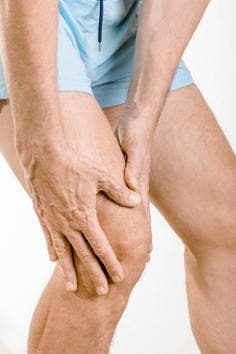
The doctor, after a thorough examination, informed Sunil that it seems to be that his Ilio-tibial Band or IT Band was rubbing against the outer portion of the knee and this was the cause of his lateral knee pain. The doctor explained to Sunil that the IT Band is a long thin band of connective tissue, which lies on the outside of the thigh. It runs from the hip to just below the knee. The IT Band stabilises the knee as well as helps with its inward rotation, and also assists the hip in moving away from the center line of the body. The pain that Sunil was experiencing is known as Ilio-tibial Band Friction Syndrome or just ITBS. This syndrome is fairly common, accounting up to 22 per cent of overuse injuries in runners.
The IT Band Friction Syndrome occurs primarily because of faulty biomechanics caused by muscular imbalance, sudden increase in mileage and running downhill. Overzealous runners seem to forget that rest is an important part of training. Running while fatigued leads to change in gait which might set you up for overuse injuries. Most runners are also averse to strength training but the only way to create a resilient runner is to strength train – focusing on glutes, core and muscles of the thigh.
The cure – rest, stretch and strengthen
•Easing up on the running or even stopping for a while is the first step. The overused tissues need to be rested for them to recover. If losing fitness is a concern, then alternate means of cardiovascular exercise – rowing, swimming or elliptical cross trainer can be used. As long as it does not provoke pain, any exercise modality can be used.
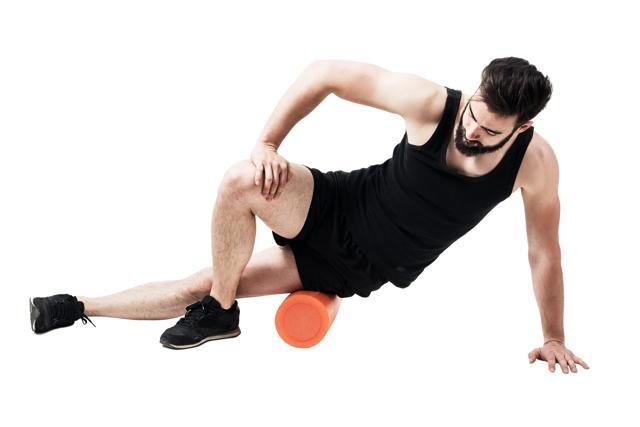
•Massage is incredibly important for treating ITBS. A foam roller or massage stick can be used, though they are not as effective as a massage given by a trained therapist.
•Stretching the affected leg. The IT Band is a band of fascia, it cannot be really lengthened. But stretching it across the hip and knee can help ease the feeling of stiffness and or tightness. Stand with your affected leg behind the other leg and lean towards your uninjured leg. Hold for 30 seconds. Do this stretch five to six times a day.

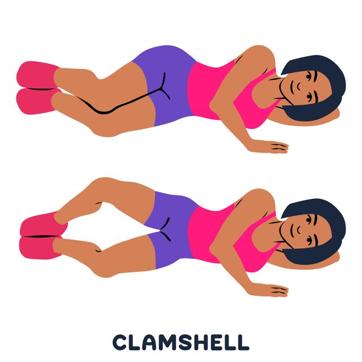
•Strengthen the glutes with clamshell exercise. Do three sets of 15. Add a resistance band once it becomes easy.
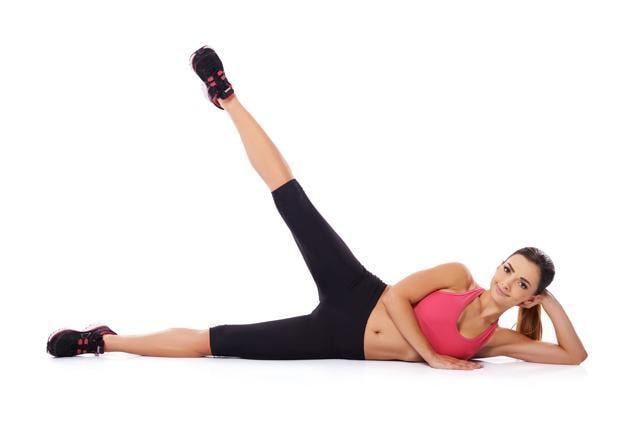
•Lying side leg raises. Do three sets of 15. Then add ankle weights to increase difficulty.
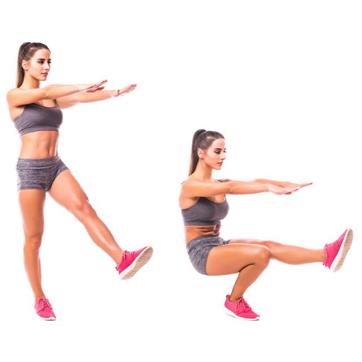
•Single leg squats. Take one leg of the ground and squat as low as you can. Do three sets of 10-15.
They say an ounce of prevention is better than a pound of cure. This applies not just to runners but also to all fitness aficionados. We need to learn to hurry slowly in progressing our exercises. Also everybody needs to strength train if you want to remain healthy and fit!
A strength and conditioning coach for the last 15 years, Kamal Singh, CSCS, specialises in post rehabilitation training and functional training.
From HT Brunch, February 24, 2019
Follow us on twitter.com/HTBrunch
Connect with us on facebook.com/hindustantimesbrunch


