
 E-Paper



24 million enrolled for MGNREGS in lockdown
The government has increased wages under MGNREGS from Rs 182 to Rs 202, Sitharaman said.


Nearly 24 million job seekers in rural areas were enrolled for work under the Mahatma Gandhi National Rural Employment Guarantee Scheme (MGNREGS) so far since the lockdown was announced, Union finance minister Nirmala Sitharaman said on Thursday.
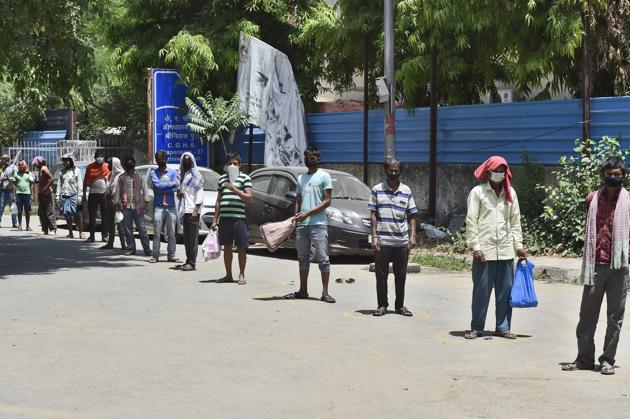
MGNREGS has generated 146.2 million person-days of work till 13 May, Sitharaman said, outlining the relief measures meant to mitigate the impact of the lockdown on farmers, migrants, and tribal communities, under the Rs 20 trillion stimulus package announced by Prime Minister Narendra Modi on Tuesday.
“Actually 40-50% more persons have got enrolled compared to last May. We have enrolled all of the migrants coming back. We are making provisions through the rural development ministry to ensure that they get enrolled, they get work, they get the due payments,” the minister said.
The government has increased wages under MGNREGS from Rs 182 to Rs 202, Sitharaman said. The Union budget presented in February had, however, slashed allocation for the jobs scheme to Rs 61,500 crore for 2020-21, a cut of Rs 9,500 crore compared to the year before.
“There is legitimate concern about migrant workers going back to their respective states,” Sitharaman said. “So work offered is to 23.3 million job seekers in 187,000 gram panchayats,” she said.
India on 25 March imposed a stringent lockdown, which saw businesses shutting down bringing economic activity in the country to a near standstill, to curb the spread of covid-19. This had led a large number of those employed in cities to go home as places where they worked downed shutters. The government eased some of the restrictions on 21 April and allowed some work under the rural employment scheme, in which social distancing norms could be followed, such as building animal shelters and ponds besides horticulture activities. These were activities that would not need too many people to congregate at one spot, officials said.
The Centre also allocated Rs 6,000 crore to fund livelihood schemes for tribals and will generate employment in afforestation related work, forest protection and wildlife protection, she said.


