
 E-Paper



World Bank projects 5% slide in remittance to India in 2016
Remittances to India will drop by 5% in 2016 vis-à-vis the year-ago period, the World Bank predicts, sending a worrying signal to the country that has sizeable expatriate population transferring money home.


Remittances to India will drop by 5% in 2016 vis-à-vis the year-ago period, the World Bank predicts, sending a worrying signal to the country that has sizeable expatriate population transferring money home.
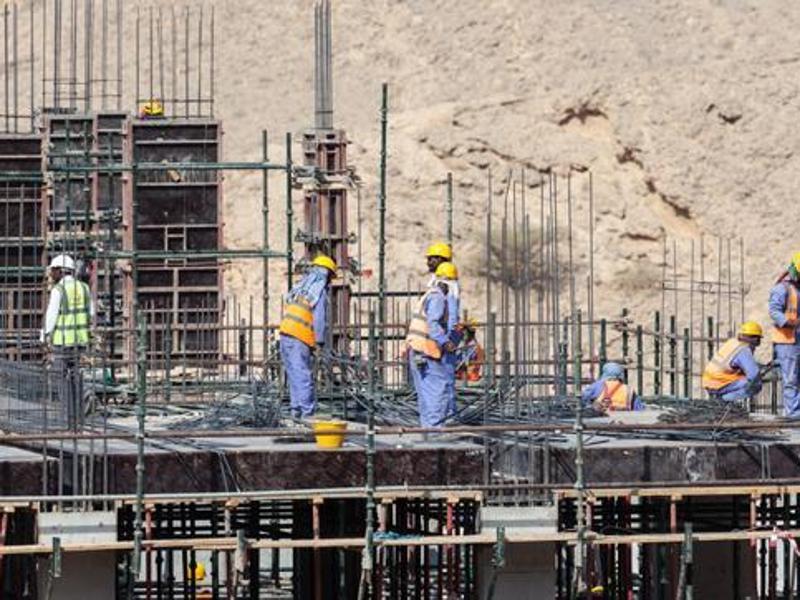
India, which is the world’s largest remittance receipt country, will receive a remittance of $65.5 billion this time against $69.8 billion in the last year. The projected amount is less than the country’s 2014 remittance ($69.6 billion) and still lesser than what it received in 2013 ($67.6 billion).
“In 2016, remittance flows are expected to decline by 5% in India and 3.5% in Bangladesh, whereas they are expected to grow by 5.1% in Pakistan and 1.6% in Sri Lanka,” the World Bank said in a latest report on remittances.
India has roughly 25 million members of its international diaspora contributing to the remittances that amount to almost 4% of its gross domestic product. HT has been consistently reporting the trends in stagnating remittance and job loss in Gulf countries on account of oil price crash.
Of late, fewer Indian workers are travelling to the Gulf, stung by practices such as nitaqat (employing local people), cheap migrant labour from countries such as Bangladesh, stricter crackdown on illegal workers and a slump in the once-booming construction sector. Raging conflict in neighbouring countries such as Yemen, Libya, and Iraq is also contributing to the problem.


