
 E-Paper



Who’s responsible for mine accidents? Govt looks for answers
In a bid to pin down the management of companies and avoid a Union Carbide-like situation in case of accidents and casualties, the government is making significant changes to the Mines Act, among them a move to shift liability to local management and fix compensation.


In a bid to pin down the management of companies and avoid a Union Carbide-like situation in case of accidents and casualties, the government is making significant changes to the Mines Act, among them a move to shift liability to local management and fix compensation.
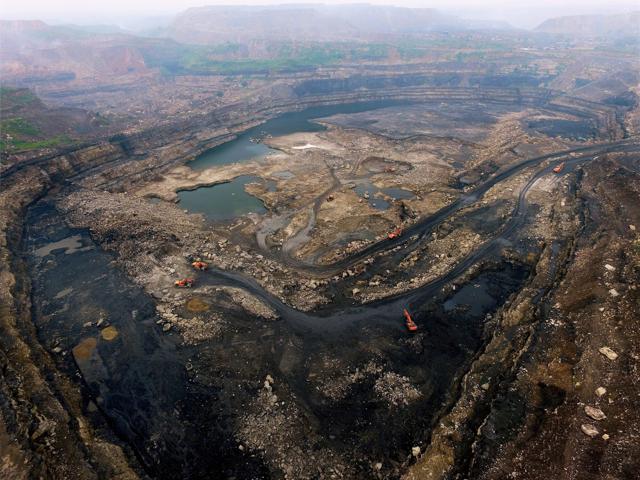
Auction of mines in India has always seen lukewarm response; to counter this, the government is trying to make significant changes to the Mines Act of 1952. A major concern for global mining companies is the liability for accidents and casualties in mines. The delay in giving licences to begin mining is also a big concern.
“We all remember what happened with the Union Carbide tragedy of Bhopal. The question still remains who should be held liable for the any human failure at the site of a plant when tragedy strikes,” said a top official in the government.
Should the top management be held liable, is the question. Sources said that government is trying to fix the liability on the local management instead of the global heads of mining companies. This would entail changes in the Mines Act and also in the labour laws that prevail in the country.
The government has formed a group comprising of the ministers of law, labour, coal, mines and finance to discuss this issue of responsibility.
Sources say that this group of ministers is also looking at fixing a 45-day time-frame for clearing a mine after it is auctioned.
“There is no set norm globally as far as liability of mine accidents are concerned. It changes from country to country since the nature of the accident will also vary. But where private entities are the owners, the liability for compensation falls on them,” said Hiranyava Bhadra, global leader of operational excellence in mining in KPMG.
With Piyush Goyal heading the mines ministry, the government proposes to auction over 100 mines in the next two years, which has the potential of adding ₹3 lakh crore to the exchequer. Currently, the second round of auctions are on, mines containing minerals like iron ore, bauxite, limestone, gold, copper, phosphate and potash are on the table.
In the first phase, 17 blocks could not be sold due to insufficient interest.
While taking over the ministry, Goyal had said: “We will make sure that its share in GDP grows at least by one percentage point in next two to three years.” The share of mineral production in GDP is 2.4% now. But to better the situation, the government has to introduce ease of doing business and predictable laws.


