
 E-Paper



3 numbers that matter as much as overall spending
Given the precarious economic situation, and the fact that the India’s fiscal response to the pandemic in the current fiscal year has been smaller than most major economies, all eyes will be on the magnitude of fiscal stimulus the 2021-22 Budget will provide.

 Prefer HTon Google


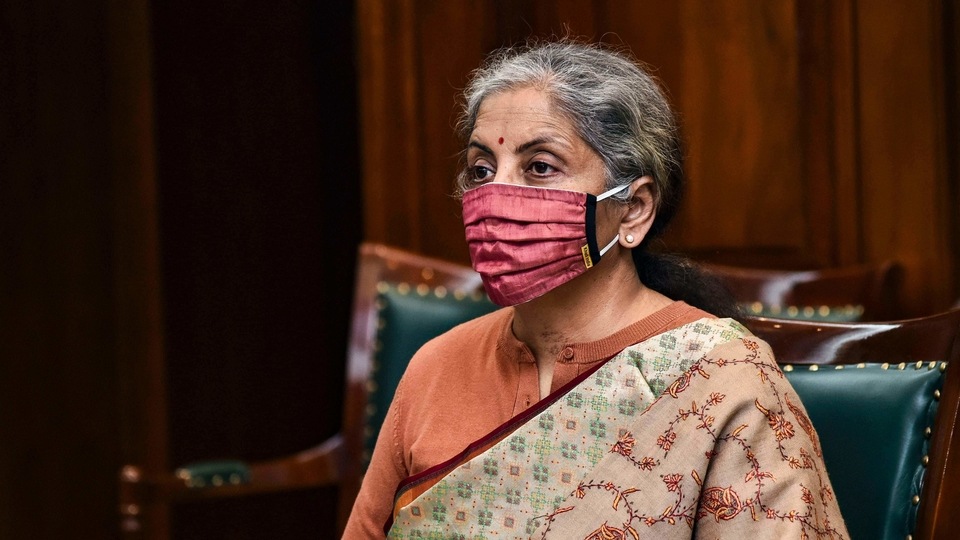
On February 1, finance minister Nirmala Sitharaman will present her third union budget. The circumstances in which she will do this are perhaps the most difficult any finance minister has faced. The National Statistical Office (NSO) expects India’s 2020-21 GDP to suffer its biggest ever contraction of 7.7% due to the disruption unleashed by the Covid-19 pandemic. This is close to the 7.5% contraction projected by the Reserve Bank of India and estimates by a host of private forecasters. To be sure, IMF (10.3%) and World Bank (9.6%) have projected a much bigger contraction and do not expect 2021-22 GDP to regain even 2019-20 levels. IMF’s October 2020’s World Economic Outlook and World Bank’s January 2021 Global Economic Prospects project a growth of 8.8% and 5.4% for India in 2021-22.
Given the precarious economic situation, and the fact that the India’s fiscal response to the pandemic in the current fiscal year has been smaller than most major economies, all eyes will be on the magnitude of fiscal stimulus the 2021-22 Budget will provide.
The headline spending, however, will have to be seen in the backdrop of other aspects of the Budget. Here are three numbers which should be kept in mind while doing so.
1) Tax buoyancy
Most economists have attributed India’s relatively muted fiscal response to the pandemic to the centre’s fiscal constraints. The fact that the Indian economy was already facing a protracted slowdown – GDP growth fell continuously from 8.3% in 2016-17 to just 4.2% in 2019-20 – is the obvious reason for this situation. Low growth, after all, also means low taxes and therefore, lowers spending ability. A more careful analysis suggests that the centre’s tax collections have suffered disproportionately when compared to the deceleration in growth. Its tax revenue has fallen for the same amount of GDP growth over the past few years. Economists describe this as a fall in tax buoyancy. Overall tax buoyancy, measured as percentage change in gross total revenue divided by percentage change in GDP, has been falling continuously since 2016-17. If one were to use provisional tax collection data for 2019-20 from the Controller General of Accounts (CGA), which works under the ministry of finance, tax buoyancy fell to an all-time low in 2019-20. The corporate tax cuts announced in September 2019 played an important role in the shortfall in revenue collections and therefore tax buoyancy. With nominal GDP expected to contract in 2020-21, tax revenue is expected to be lower than in 2019-20. It will be interesting to see the associated tax buoyancy number for both 2020-21 and the 2021-22 projections. Most economists have pointed out that the relatively rich – both individuals and firms – have been less affected by the pandemic. Given the fact that India’s direct taxes come mostly from the rich, there is a chance that tax buoyancy does not suffer as much. On the other hand, any significant reduction in tax slabs, if they are announced in the budget, could lead to a further reduction in tax buoyancy numbers.

2) Will India’s tax burden take a more regressive turn?
While the headline revenue number matters for government finances and therefore spending, its composition has important distributive implications. Direct taxes, because they tax the rich at higher rates, are progressive in nature, whereas indirect taxes, because they put the same burden across classes, are economically regressive. The share of direct taxes in India increased sharply in the decade preceding the 2008 financial crisis (it used to be in the low double digits previously), reached a peak in 2009-10 and has stagnated at a slightly lower value since. With the centre and states increasing their taxes on sale of petrol and diesel and many states increasing taxes on alcoholic beverages, the share of indirect taxes is expected to rise further in the current fiscal year. While data on state taxes comes with a time-lag, CGA data on central tax collections until November already shows a rise in share of indirect taxes compared to last year’s levels. With the Goods and Service Tax (GST) Council agreeing to extend the period for GST compensation cess to meet the shortfall in promised compensation for states’ revenues, the shift towards an increasing weight of indirect taxes in India’s revenue basket could continue for quite some time.

3) Revenue assigned to states as share of Gross Tax Revenue
With the roll-out of GST, which subsumed most indirect taxes on domestic transactions, in July 2017, states have very little autonomy in terms of raising taxes. This makes the centre’s tax devolutions all the more important to them. The 14th Finance Commission set the share of states in central taxes at 42%. This promise has not been realised. States’ share reached a peak of 36.6% in 2018-19 and has fallen sharply since. While the 15th finance commission has left the mandated share largely unchanged at 41%, the actual distribution of central taxes will depend on the weight of special cesses and duties which are not a part of the divisible pool to be shared with states. CGA data up to November shows that the shortfall in centre’s tax devolutions to the states has been increasing when compared to last year’s levels. There is also the possibility of the states facing a retrospective squeeze in revenues like last year which came with a downward revision of past revenues of the centre.

Why do these numbers matter?
The future trajectories of tax buoyancy, share of indirect and direct taxes and states’ share in centre’s revenues are not merely statistics of academic interest. India is a country with large economic inequalities and a relatively centralised federal system with growing political centralisation. Any further adverse movement on these counts will also mean a growing asymmetry between the rich and poor and the centre and states. These are bound to fuel political discontent sooner or later. To the extent that the central spending is at the cost of revenue transfers to states, it could actually generate concomitant headwinds for growth going forward.


