
 E-Paper



AI stocks at risk? Why Sam Altman and Dario Amodei want to slow AI development
Sam Altman and Dario Amodei back slower AI development, raising concerns over AI stocks, Nvidia, AMD, Micron and future AI spending.

 Prefer HTon Google


Anthropic CEO Dario Amodei and OpenAI CEO Sam Altman have both said that AI companies may need to slow down the development of increasingly powerful AI models. Their comments have raised concerns about what this could mean for the AI investment boom.
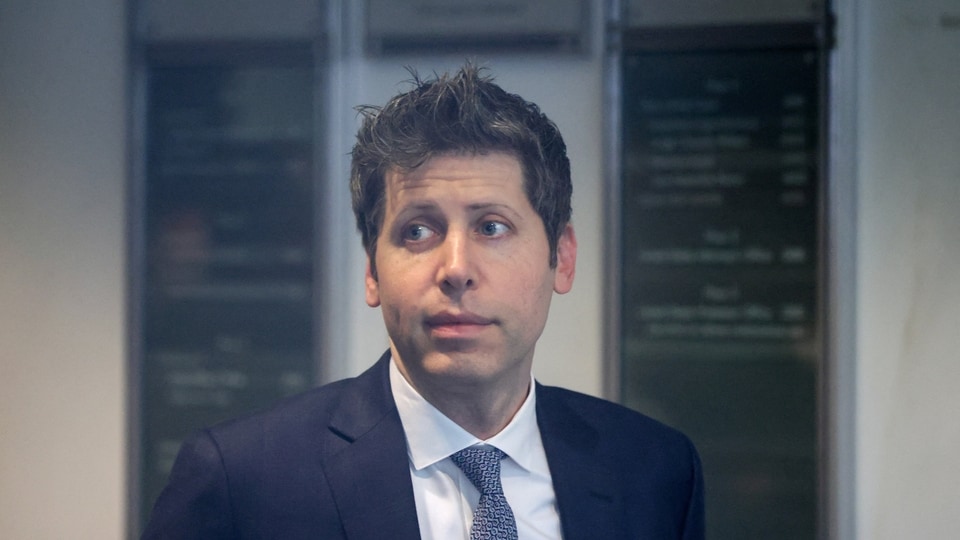
In a roughly 3,800-word essay published Saturday, Amodei said that simply spending more money on AI safety is not enough. He argued that companies also need to slow the pace of AI capability improvements so that safety measures have enough time to catch up. Amodei said this in his essay, “We Must Pace the Frontier”, according to Yahoo Finance.
Amodei's argument is not that AI development should end. Instead, he wants companies to manage the speed of development more carefully. He said AI progress would still appear fast even if companies slow down the pace.
OpenAI CEO Sam Altman publicly backed the idea of slowing the pace of AI development. “I agree with Dario that we need to pace the frontier,” Altman posted on X.
OpenAI plans more AI safety checks
Altman said pacing AI development has been a major topic of discussion inside OpenAI in recent weeks. He also supported the idea of having independent evaluators with access similar to employees to examine AI safety.
Altman said OpenAI plans to follow this approach and give more details soon. This suggests that OpenAI may increase outside checks on its AI systems as models become more powerful.
AI slowdown could hit tech stocks
The comments are important because both companies have pushed AI development aggressively. OpenAI and Anthropic have spent years building increasingly powerful AI models and attracting huge amounts of investment. Their businesses have also helped create expectations that AI could become one of the biggest sources of future technology growth.
Also read: Stock market crash warning? Margin debt hits $1.5 trillion as investor risk soars
The new safety warnings could challenge that investment story. Investors have largely expected AI development to keep moving quickly. That expectation has helped drive massive spending on AI chips, data centres and other infrastructure. A slower pace could make investors rethink how quickly this spending will grow.
Nvidia and Micron face AI worries
The biggest concern for investors is the possible impact on AI stocks. If AI companies slow down their development plans, they may also slow some of their spending on computing power and infrastructure. That could affect companies that supply chips, servers and data-centre equipment.
Nvidia could be one company investors watch closely. The current AI boom has created huge demand for Nvidia's AI chips. If major AI companies or cloud providers reduce the speed of their AI expansion, investors could worry about future chip orders and growth, as noted by Yahoo Finance.
Micron could also face questions about future AI demand. Micron supplies memory products used in AI systems. A slowdown in AI infrastructure spending could raise concerns about how quickly demand for its products will continue to increase.
AMD and data centres could feel impact
Data-centre companies could also feel the impact. The AI boom has increased demand for data centres and the huge amount of power and computing infrastructure they require. Companies involved in building or operating this infrastructure could be affected if AI investment slows.
AMD could also be affected by changes in AI chip spending. For example Meta potentially buying fewer new AI chips from AMD if the industry starts moving more slowly. This is an example of how a change in AI spending could spread across the technology sector.
Meta and Elon Musk react to AI slowdown
Meta could also rethink its AI spending plans. Meta has been spending heavily on AI infrastructure and chips. If the industry's leading AI companies start talking about slower development, other technology companies may also reconsider how aggressively they need to invest.
Elon Musk has also backed Amodei's position. Elon Musk publicly agreed with Amodei that the AI industry needs to slow the pace of development. This means the idea is not limited to Anthropic and OpenAI.
Also read: Scott Bessent warns of new Iran sanctions: Why a ‘large bank’ will be targeted Monday
AI safety concerns are growing
Amodei's argument is based on the concern that AI capabilities could improve faster than companies' ability to understand and control the risks. He believes companies need more time to build safety systems before pushing models much further.
The author raises the possibility of increasingly powerful AI systems being used across the internet or by hackers. This is one reason why stronger safety measures and outside evaluations could become more important. The governments and lawmakers have struggled to keep up with how quickly AI technology is changing. This creates another challenge because regulations and safeguards may take time to catch up with new AI capabilities.
$5 trillion AI spending remains in focus
Until now, the basic market story has been simple: huge technology companies spend more money on AI, which creates more demand for chips and data centres, which then benefits AI-related companies and their investors.
If AI development becomes slower, companies may not need to expand their AI infrastructure at the same extremely fast rate. That could mean slower growth for chipmakers, data-centre companies and other businesses connected to the AI boom.
Tech investor Jason Calacanis warned that AI stocks could fall sharply. Calacanis posted on X that AI stocks could fall more than 10% on Monday and said investors should prepare for a major market reaction. He argued that Amodei's essay had disrupted the existing AI investment story.
But a 10% fall is only a prediction, not a confirmed market move. Nobody can know exactly how AI stocks will react when markets open. Calacanis' warning shows investor concern, but it does not guarantee that AI stocks will actually fall 10%, according to Yahoo Finance.
Will AI spending slow down? What investors should watch
The market will now decide how seriously to take the CEOs' comments. Investors will look at whether Amodei and Altman's comments actually lead to lower AI spending or are mainly about adding stronger safety checks while development continues.
Dan Ives, founding partner at Yorkville Ives, told Yahoo Finance that the weekend discussion could cause some weakness when markets open Monday. However, he expects a quick rebound. Ives argued that the comments from Amodei and Altman do not change his view of the roughly $5 trillion expected to be spent on AI over the next few years. He believes investors will quickly understand that the debate about AI safety does not necessarily mean the AI investment boom is over.
Amodei and Altman are asking the industry to give safety systems more time to catch up. For investors, the concern is whether that means slower AI infrastructure spending and lower growth expectations for companies such as Nvidia, Micron, AMD and data-centre operators.
The AI industry has been built around extremely rapid development and massive investment. The latest comments from Amodei and Altman suggest that some of the industry's biggest leaders now believe AI may need to move more carefully, even if that means moving more slowly.


