E-Paper



Centre halts sugarcane-based ethanol purchases for 2026-27 supply year, citing price pressures
The restriction aims to preserve sugar supplies as prices rise and weather risks threaten cane output; C-heavy molasses is exempt.

 Prefer HTon Google


The government has directed oil marketing companies (OMCs) to stop procuring ethanol made from sugarcane juice, sugar syrup and B-heavy molasses in the 2026-27 supply year, starting in November, as it seeks to preserve domestic sugar supplies amid renewed price pressures and weather-related risks to production.
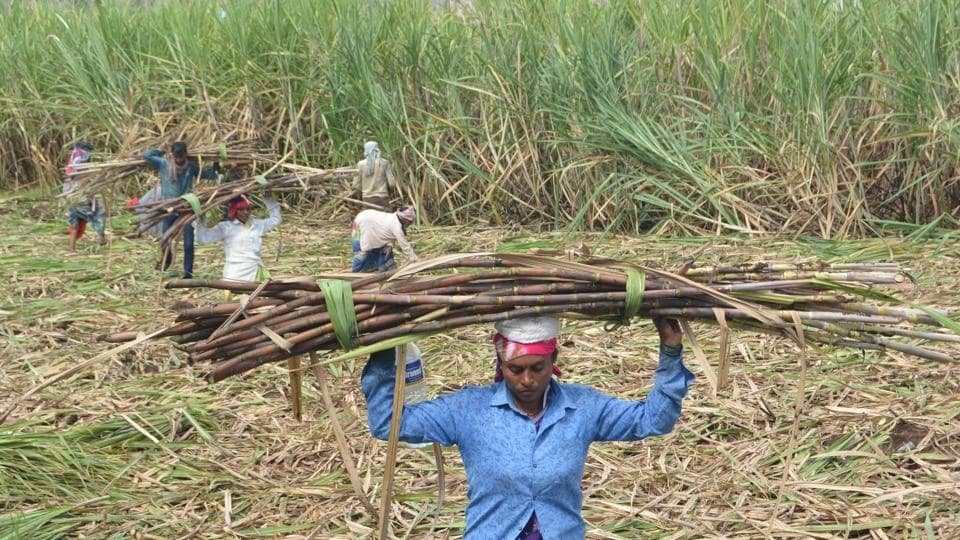
The ethanol blending programme was initially aimed at supporting sugarcane farmers, utilising surplus sugar production and helping mills clear cane dues by providing an alternative market for sugarcane-based products.
However, the restriction will not apply to C-heavy molasses, a by-product of sugar manufacturing that does not contain recoverable sugar, according to a tender issued by Bharat Petroleum Corp. Ltd (BPCL) on Friday. “GoI has issued directions that sugar diversion for ethanol be reduced to zero for ESY 2026-27,” the tender said, adding that offers for ethanol produced from sugarcane juice, sugar, sugar syrup and B-heavy molasses had not been sought.
Also Read | Ethanol blending in petrol is an experiment, govt tells SC, 'will know results next year'
C-heavy molasses has been allowed as it is a by-product left after all recoverable sugar has been extracted, according to GK Sood, agricultural markets expert and independent director of a listed firm.
BPCL has floated a tender to procure around 11 billion litres of ethanol in the first procurement cycle for the ethanol supply year (ESY) 2026-27, which runs from November to October. The tender was issued on behalf of state-run OMCs and estimates procurement requirements of 3 billion litres each for November-January and February-April, 2.5 billion litres for May-July, and another 2.5 billion litres for August-October.
Domestic and global sugar supply concerns
The latest curbs come as domestic sugar prices face renewed upward pressure from concerns over cane output and delays in crushing operations. Ex-mill prices had touched record highs of ₹7,000 per 100 kg in some markets in August, prompting the government to allow duty-free imports of raw sugar to improve domestic availability ahead of the festival season.
Prices are rising again ahead of festivals amid concerns that El Nino could hurt sugarcane yields in the 2026-27 crop season, which runs from October to September. Drought-like conditions linked to water stress and poor rainfall have affected major sugar-producing states, including Maharashtra and Karnataka, while farmers’ protests have delayed crushing operations.
Global sugar prices also rose to a 20-month high of 21.29 cents a pound earlier this month amid growing supply risks as El Nino conditions strengthen in Brazil and India.
Also Read | State-run oil firms report 41% jump in Q4 net profit
Industry calls for a balanced feedstock policy
The All India Distillers’ Association (AIDA), the industry’s representative body, welcomed the government’s approach but called for a more balanced feedstock policy. It urged the government to provide appropriate incentives for maize-based ethanol, revise procurement prices for ethanol made from FCI rice, and allow flexibility in the use of sugarcane-based feedstocks subject to domestic sugar requirements.
Frequently Asked Questions