
 E-Paper



Indrayani river retains biodiversity despite severe pollution, study finds
The study conducted between November 2025 and March 2026 with support from Pune and Pimpri Chinchwad River Revival identified 30 ecologically rich stretches between Dehu and Tulapur

 Prefer HTon Google


The Indrayani river continues to support rich biodiversity despite severe pollution and recurring fish deaths, with 169 plant species and 107 bird species recorded along its banks, according to a biodiversity assessment released by the city-based environmental NGO Ecological Society, Pune, on Thursday.
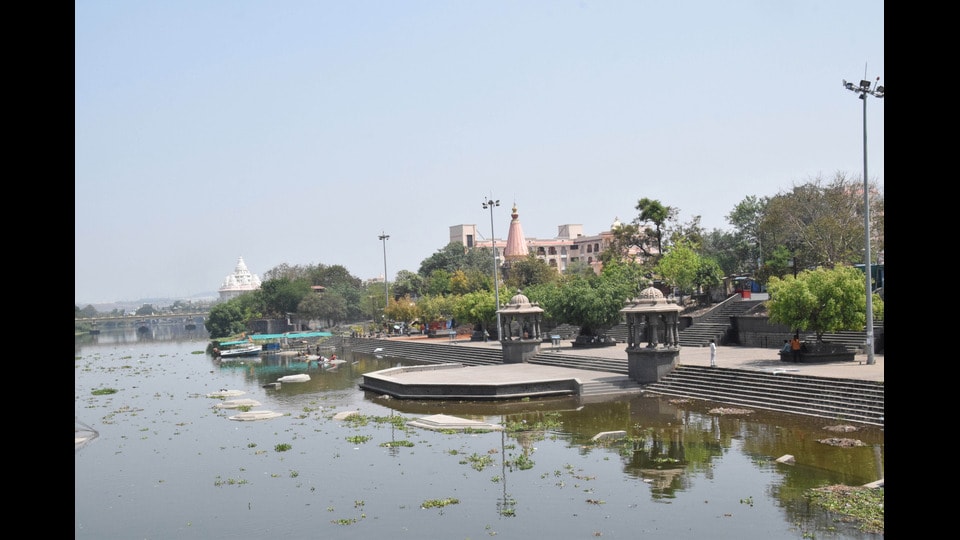
The study conducted between November 2025 and March 2026 with support from Pune and Pimpri Chinchwad River Revival identified 30 ecologically rich stretches between Dehu and Tulapur. It also recorded 22 butterfly species and eight odonate species. Seven bird species found in the study area enjoy Schedule I protection under the Wildlife (Protection) Act.
However, pollution remains a major concern. All 11 water samples collected during the assessment contained faecal coliform bacteria. The Moshi–Alandi stretch emerged as particularly polluted. Invasive tilapia dominated fish catches, while the native Deccan Mahseer was not recorded.
Biodiversity expert Kedar Champhekar said the team found industrial effluents entering the river. However, he said an independent study was needed to establish the levels of heavy metals in the waterbody.
The report highlighted a 10-acre notified reserve forest near Tulapur as an example of surviving riverine biodiversity. It recommended stopping sewage and waste discharge at source, prioritising the Moshi–Alandi stretch and protecting islands, sandbars and riverine forests. It also called for ecological and hydrological assessments before riverfront development, removal of invasive species, restoration using native vegetation and regular biodiversity monitoring.
The report was released at Pimpri Chinchwad College of Engineering in Akurdi in the presence of water expert Vijay Paranjpye, Ecological Society co-founder Swati Gole, trustee Ajay Phatak, Jeevitnadi co-founder Shailaja Deshpande and Girish Kuber.
Senior conservationist Ketaki Ghate, speaking on behalf of former principal chief conservator of forests (wildlife) Sunil Limaye, highlighted the report’s relevance for riverfront planning and suggested training young people as river guardians.
“A river is not just flowing water; It is a living corridor – a continuous ecological thread connecting forests, farms, wetlands, grasslands and human settlements,” Ghate quoted Limaye.
The report proposed an inter-agency committee involving citizens and local institutions to coordinate conservation efforts.


