
 E-Paper



Centre sticks with inflation goal for 5 yrs
The Reserve Bank of India (RBI) governor Shaktikanta Das had defended the existing inflation target, contending that any further loosening would undermine the central bank’s ability to set effective monetary policy.


The government has kept the inflation-targeting framework for the central bank unchanged for the five-year period beginning 1 April, ending speculation that a more relaxed inflation goal may be adopted to boost growth.
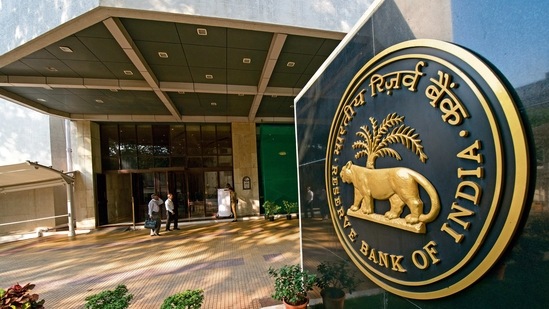
“There is no change,” economic affairs secretary in the finance ministry Tarun Bajaj told reporters on Wednesday. The inflation target is reviewed every five years.
The Reserve Bank of India (RBI) governor Shaktikanta Das had defended the existing inflation target, contending that any further loosening would undermine the central bank’s ability to set effective monetary policy. The inflation mandate requires the RBI to keep inflation at 4%, with a 2 percentage point leeway on either side.
“The current numerical framework for defining price stability, i.e., an inflation target of 4% with a +/-2 per cent tolerance band, is appropriate for the next five years,” the RBI said in a report released in February. It had, however, also suggested that some aspects of the framework be reviewed, including the time horizon to meet the inflation target and the process of selecting members to the monetary policy committee (MPC).
The six-member MPC, headed by the RBI governor, decides on the monetary policy based on the inflation target.
Madhavi Arora, the lead economist at Emkay Global, said while the flexible inflation-targeting regime did serve its purpose and also indirectly gave more independence to the MPC, there could have been some merit in relooking the framework, especially as the current crisis uncovered the limitations and inadequacies of the target. “A more pragmatic and integrated approach may still be the answer to intertwined policy objectives,” she added.
Bajaj said the Centre will frontload its borrowing calendar for FY22 and borrow 60% of ₹12.05 lakh crore gross borrowing target for the year. “In the first half of the year, we would be borrowing ₹7.24 lakh crore, which is 60% of the gross issuance. This will be in all the segments, that is, two years, five years, 10 years, 14 years, 30 years and 40 years securities.”
Bajaj said he does not foresee any pressure on yields due to rising inflation and hopes the RBI will take steps to keep borrowing cost within limits.
India’s retail inflation quickened to 5% in February from 4.1% in January on higher food and fuel prices. The RBI’s latest monetary policy cautioned that the slowing of inflation could be short-lived with increased pass-through to output prices as demand normalises and firms regain pricing power. It marginally raised the inflation forecast to 5-5.2% from 4.6-5.2% for the first half of the next fiscal year.
(Gopika Gopakumar contributed to the story.)


