
 E-Paper



Cess-mology: How the three new cesses will impact your pockets
Finance Minister Arun Jaitley has taken the cess route to mobilise funds. Here is what you need to watch out for


The shift of the overall thrust of the Union Budget from manufacturing to agriculture is loud and clear from the slew of cesses it introduces. Along with the Krishi Kalyan Cess, finance minister Arun Jaitley announced an infrastructure cess to drive infrastructure development in the hinterlands. He also tweaked the ‘clean energy cess’ on coal, renaming it clean environment cess. HT explains how these three cesses will affect your spending.
Krishi Kalyan Cess
What: The proceeds of this cess would be exclusively used for financing initiatives pertaining to welfare of farmers
How : The cess will be levied at the rate of 0.5% on all taxable services such as mobile bills, restaurant bills, etc. So your service tax will now be 15% -- 14% service tax, 0.5% Swachh Bharat cess and 0.5% Krishi Kalyan Cess
When: This cess would come into force from June 1, 2016
Infrastructure Cess
What: The proceeds of this cess will be used to fund pollution reduction and improve the traffic situation in Indian cities
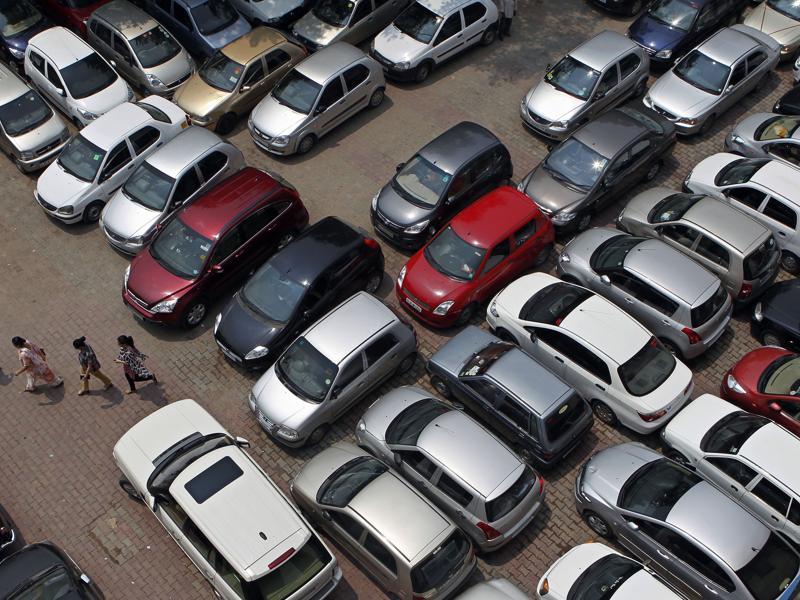
How: The cess will be levied at three different rates. 1% on petrol, LPG, CNG cars less than 4-metre in size with engines up to 1,200c. 2.5% on diesel cars of certain capacities (of length not exceeding 4m and engine capacity not exceeding 1,500cc) and 4% on other higher engine capacity vehicles and SUVs.
When: This cess will be applicable from March 1, 2016
Exemptions: Ambulances, taxis, electric vehicles, three-wheelers, hybrid vehicles, cars for physically handicapped persons, hydrogen vehicles based on fuel-cell technology
Clean environment cess
What: This is a rejig of an existing cess, but both the quantum and scope of this cess have been increased. The proceeds of this cess will be deposited in the National Clean Environment Fund and used to develop renewable energy sources, various environment protection measures such as Project Tiger, wildlife conservation, abatement of river pollution etc.
How: Charged in absolute terms and not percentage, it will be levied on coal at a rate of Rs 400 per tonne up from the Rs 200 per tonne at the point of sale. Coal is primarily consumed power producers and fertiliser companies, who may pass on the increase in cost to consumers
Timing: This cess will be applicable from April 1, 2016
Read: Budget 2016 top takeaways: I-T slab unchanged; super-rich surcharge rises


