
 E-Paper



Iran hints at Strait of Hormuz closure. How will it impact Indian crude imports?
Not just global, the closure of the Strait of Hormuz may impact India's energy security as well, some experts have said.

 Prefer HTon Google


Amid its ongoing conflict with Israel and the US, Iran has hinted it may close the Strait of Hormuz, which lies between Iran and its Gulf Arab neighbours. The passage facilitates the daily supply of about a fifth of the world’s oil, Bloomberg reported.
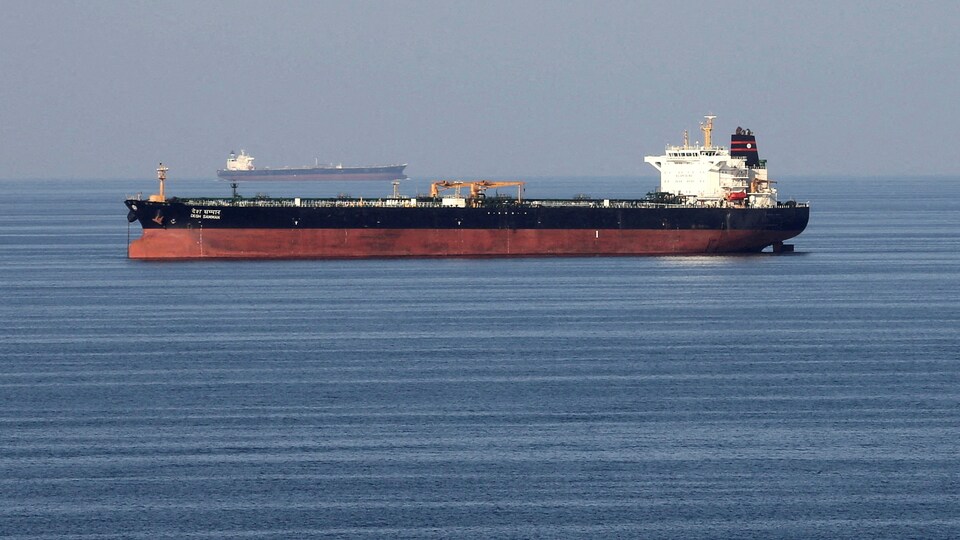
Not just global, the closure of this strait may impact India's energy security as well, some experts have said.
Tehran indicated the strait's closure for shipping after the US military struck three of Iran's key nuclear facilities. When asked about the closure, Iranian foreign minister Seyed Abbas Araghchi said, "A variety of options are available to Iran."
Will closure hurt India?
About 40 per cent of India's supplies are sourced from Middle East nations such as Iraq, Saudi Arabia, the United Arab Emirates, and Kuwait. These countries export crude oil to India through the Strait of Hormuz.
About 2 million barrels per day (bpd) of crude oil, a significant portion of India's total imports, is sent through the passage.
While there is a significant portion that India sources from the Middle Eastern countries, there is still less likelihood of a big impact on its oil supply if the strait is shut, news agency PTI reported. This is because India mostly imports Russian oil which uses the Suez Canal, Cape of Good Hope, or the Pacific Ocean for its passage, and not the Strait of Hormuz.
Qatar, India's principal gas supplier, also does not use the Strait of Hormuz for supplies. Similarly, India's other sources for LNG supply in Australia, Russia and the US would also not be impacted by the strait's closure.
Impact on imports from Saudi, Iraq
India's crude oil imports from Iraq, and to an extent from Saudi Arabia, will be impacted if the Strait of Hormuz is closed, said Dr Laxman Kumar Behera, Associate Professor at Special Centre for National Security Studies at JNU.
Besides, if the Strait of Hormuz is closed even briefly, it will impact oil markets significantly, a recent analysis by the International Energy Agency showed.
"With geopolitical and economic uncertainties affecting oil producers and consumers alike, oil supply security remains high on the international energy policy agenda," it said.
Nearly 30 per cent of global oil and one-third of the world's LNG (liquefied natural gas) use the Strait of Hormuz for their passage. Its closure could have significant global repercussions, including costlier rerouting of oil shipments and an impact on the currencies of the countries in the region.
Will Iran shut Strait of Hormuz?
Ever since the Israel-Iran conflict began on June 13, Iran has hinted at closing the Strait of Hormuz. Apart from the Iranian Foreign Minister, Mohammad Javad Hosseini, the deputy chief of mission at the Iranian embassy, had also said closing the Strait of Hormuz is an option.
Despite this, a prolonged Strait of Hormuz disruption is very unlikely. The Strait of Hormuz not only deals with exports of Saudi Arabia, the UAE, Kuwait and Qatar, but also of Iran itself.
China is the number one importer of Iranian oil at 47 per cent of its seaborne crude, reportedly accounting for over three-quarters of its oil exports.
Hence, while the Strait of Hormuz closure stands to impact global oil markets, it also would prove counterproductive for Iran. Iran, which is already in a geopolitical conflict with Israel and the US, is likely to risk international military escalation with this key passage closure.


