E-Paper



Smart toys, curious minds and a case for delaying the first phone
Beyond the regular noise, a closer look at personal technology. 29 October 2026.

 Prefer HTon Google


Much like this week’s Neural Dispatch, our Wired Wisdom conversation is also a special package. One where I want to focus on technology relevant for children, yet one that doesn’t send them down the rabbit hole of typical smartphone exposure that unlocks more apps than parents bargain for. Our 8-year-old would testify that we as parents are sticklers for very limited screen time on a daily as well as a collective weekly basis, and for what sort of apps are being accessed. And any media consumption must be on a TV in the living room. A good foundation, to be generally prescriptive?

I’d much rather have children access the sort of technology that helps them build the blocks for reasoning, thinking and conversation, helps them learn something along the way, and helps keep them safe too. Instagram, X and Snapchat don’t really figure on that list of priorities. In my book, these are some of the key tech and toys that children should have, before they eventually stop listening to you and get their hands on a phone. Amazon Alexa (or Alexa+, as Amazon likes to excitedly mention these days)? Not exactly, based on the pre-Alexa+ era that I’m very familiar with.
Previously, on Wired Wisdom: Baffling Tata Play Smart, Vi prepaid family & gauging Mijia Smart Air Purifier 6
Alexa, who? Wippi likes smart conversations
Indian tech start-up Wippi has made something for children aged 4+ and it is a combination of an AI companion and a very nifty Wippi Player Screen-free AI Companion device. This isn’t your typical smart speaker that eventually becomes a music hub in some form. There is much more educational utility to this, more than you may initially imagine, and the AI companion has a really friendly tone which children across ages seem to respond well to.
Wippi is a ‘conversational storytelling and learning playmate’, and the device, the AI companion as well as the bundled story cards build a rather complete set of capabilities. Prices start at ₹3,999 depending on whether you want just the companion or also playsets (which are essentially audio storybooks; there’s good variety; I’ll get to that).
It is a two-part proposition with Wippi. The AI companion device that can start a conversation with your child (in which case the name is Wippi for the chatbot), and the playset proposition which adds the storybook angle (and the lead character becomes the default companion name for this duration).
The company tells me that while they cannot disclose which models they’ve used to build the Wippi companion, they insist multiple models are being used. Crucially, they’ve created a middle orchestration layer in-house, which makes these conversations safe alongside being fun and knowledgeable.
From what I saw with Wippi and my 8-year-old, the companion can start a conversation in a very friendly way, and then hold that conversation. In just the very first conversation after setup, Wippi and my daughter were chatting about giraffes, monkeys stealing diamonds, detective work, elephant trunk mysteries, gemstone hunt and whatnot! Eventually, that conversation went from step to step, and soon they were on level 5 of maths and puzzles
Switch to the card mode for stories, and that takes an added dimension of intuitiveness. Multiple story book options available for now, including Ramayan, Jungle Book, T-Max Dinosaurs, Cinderella, Alice’s World, Aladdin, Kylo The Bear and Alana The Mermaid. In due course, they will have to add more play set options as children get through these sets eventually. Each is priced at ₹799 though you can buy a bundle from the outset.
There are also online radio channels which alter content depending on time of the day—during the day, its a mix of stories and quests, and at night, a leaning towards bedtime reading in case parents want to utilise this to put the little ones to sleep.
The Wippi app on the parent’s phone provides detailed insights into the conversation topics that Wippi and your child are having. There are personalisation controls about topics. Two aspects in which the app needs to improve—first, data sync between Wippi and the app takes some time and isn’t instant and secondly, there is no way to select specific days to get a better sense of each day’s conversations and activities.
A smartwatch and voice calls, on the wrist
Indian tech company Noise has the Noise Jr. Explorer 2 smartwatch, which in a short window of time, even has the Summer Drop and Special Gift Box special editions to choose from. Prices start ₹6,499 and the key reasoning for this recommendation for a child that steps out of home without parents (either for studies or for play) is the built-in GPS and the physical SIM card slot.
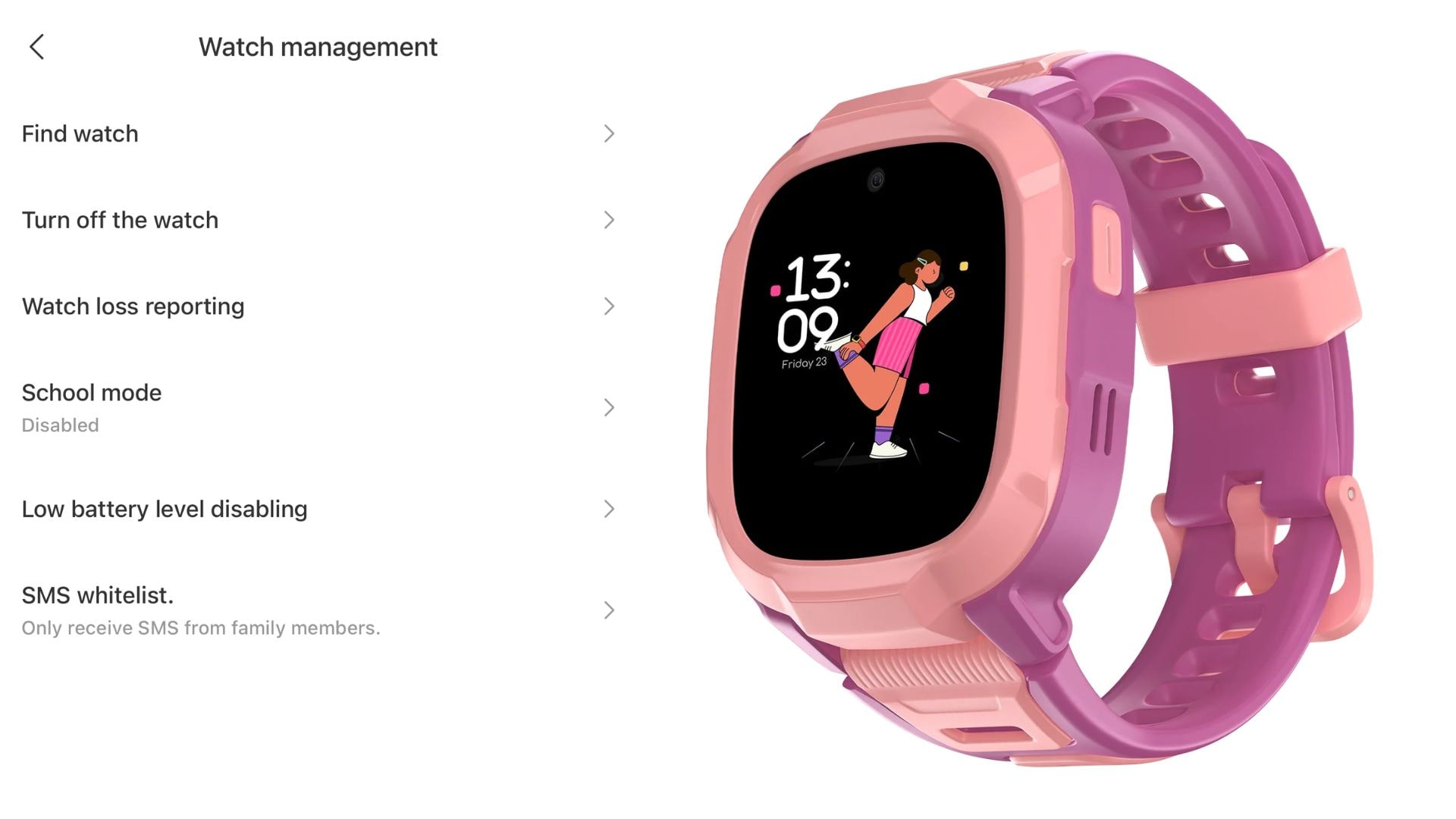
This ties in beautifully with the very usable Noise Explorer Hub (available on iOS and Android) that lets parents locate the watch’s coordinates, set up a geofence (there will be a notification if the child exits that) and 2-way voice as well as video calling.
The data and voice network is 4G and is more than adept at video calls as well. Across Reliance Jio and Airtel’s 4G networks, the signal reception didn’t leave any room for complaints, including inside elevators. That said, Airtel’s network does offer cleaner voice quality than Jio in this particular scenario.
Genuine utility comes from the versatile controls that parents have over who can call or message their child on that mobile number on the Noise Jr. Explorer 2 smartwatch, and that can even be restricted to select contacts saved on the watch (parents, grandparents, siblings, certain friends, that’s it).
Secondly, for every message that land on the watch, including spam or network generated (Jio has the habit of sending a lot of spam messages), the parent will also be notified on the Explorer Hub app, with the complete message readable.
The child doesn’t have an option to power off the Noise Jr. Explorer 2 watch, unless that is done by the parent via the app. There is the sleep time setting, which can be configured for the watch to automatically shut down and wake up at predefined times. Kept on for 12 hours a day, the Noise Jr. Explorer 2 lasts a good 4 days on a single charge with a collective of 10 minutes of voice or video calls every day.
That is a reliable battery backup (capacity is 950mAh) for a watch that also has 4G connectivity and GPS.
Every evening, the app will also send parents a notification of the child’s activity and step count for the day. The Noise Jr. Explorer 2 watch itself is rather well built, with good quality colourful plastic defining a somewhat chunky dial (that’s understandable because of the SIM slot). The 1.4-inch screen is usable, but the interface isn’t exactly very fast. And with a camera on the watch, it is inevitable that the child will capture more than a few selfies with friends that’ll fill up storage, all of which serve to make the interface somewhat sluggish.
There is something to be said about giving your children access to the sort of activities that build cognitive skills, reasoning, patience (most underestimated and most troublesome), communication, problem-solving, creativity and teamwork. In different variations, of course.
The latest, on Neural Dispatch: Claude Code and your Google TV: Vibe coding, and a new lease of life
I have two left-field suggestions for parents, to realign how they spend less time on YouTube and Instagram, and more time in trying to develop some skills either side of assignments and homework. Drumroll please…Lego and PlayShifu.
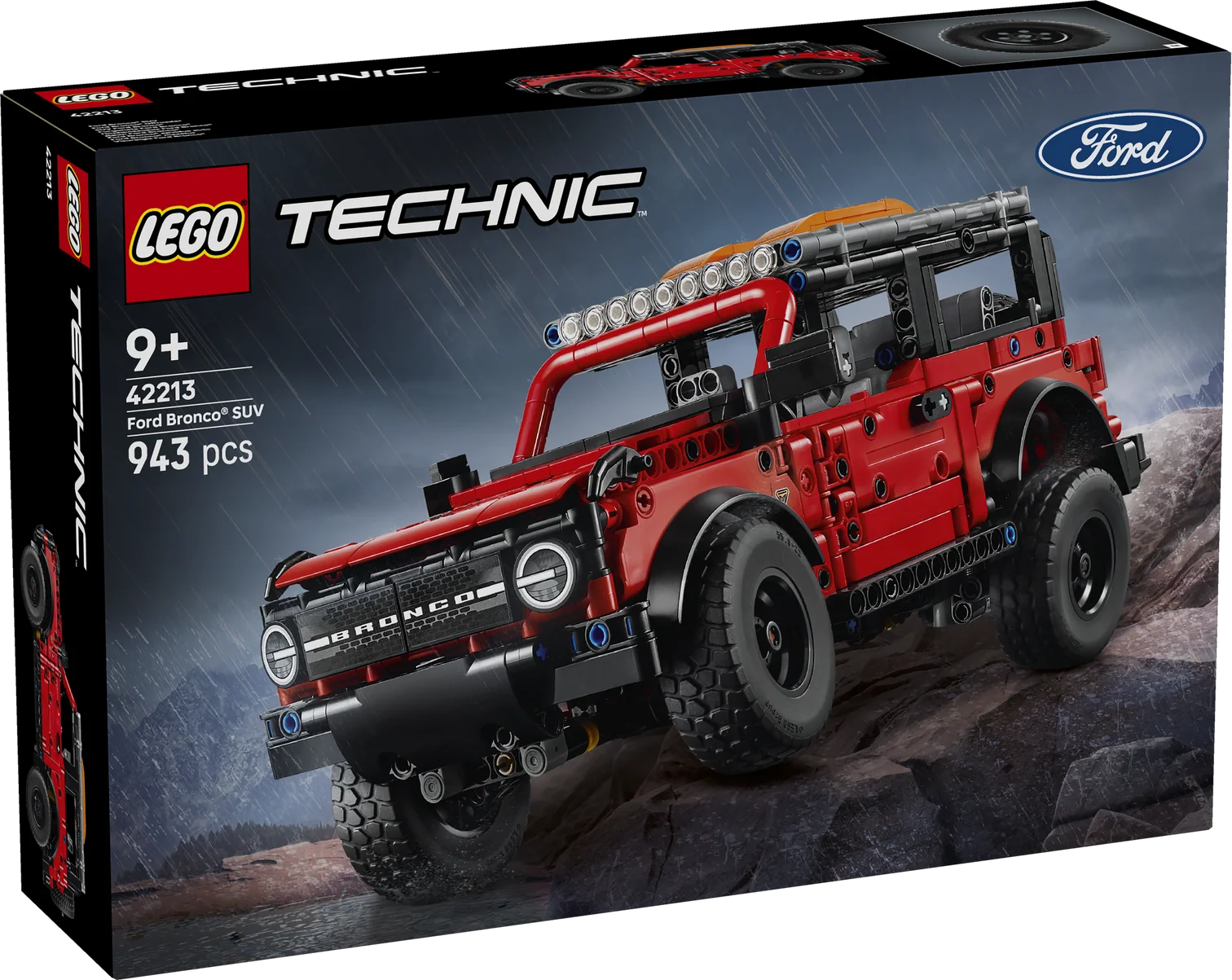
Lego sets, starting from the simpler ones such as the Classic or Creator sets or the Ninjago, to something more elaborate as a Formula 1 car set, Speed Champions or the Technic kits is just the ticket to get a child to sit for hours trying to figure out an end goal—success. And there are a few other Indian platforms that are trying to replicate the block-building experience rather well. If your child is rapidly heading in the direction of becoming a motoring enthusiast, Motoblox has some really nice car builds to try and build a collection with.
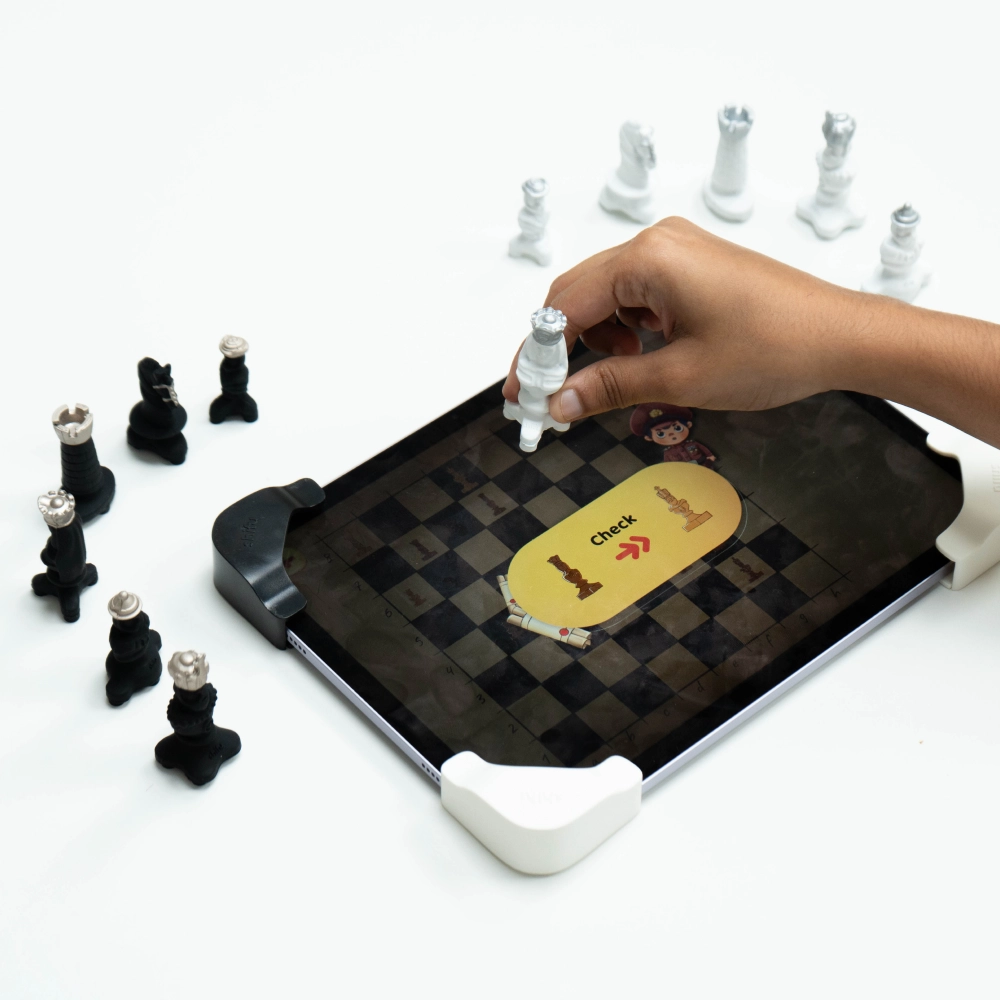
And for those moments when some screen time may not entirely be out of place, Indian ed-tech company PlayShifu has augmented reality (AR) leading tools spanning ages 2–12 years. I’ve had my child move step by step through Connecto, Mission Math, Word Wiz, and some sets that no longer seem to be on sale including Orboot Earth for learning about the geography and the environment, Plugo Count, Space Quest, Shifu Travel and Shifu Safari, if memory serves me well. It has worked.
These PlayShifu kits essentially require a tablet (an iPad or an Android tablet) on which the required AR app can be installed. These apps are intuitive to say the least, and they can certainly be a better discovery mechanism than YouTube Shorts and Instagram Reels.