
 E-Paper



Trade gap widens to $12.6 billion on lacklustre exports
Between April last year and February 2021, merchandise exports have contracted 12.23%, while merchandise imports fell 23.1%.


India’s merchandise exports grew just 0.67% in February, while imports rose 7% leading to a trade deficit of $12.6 billion during the month, showed data released by the commerce ministry on Monday.
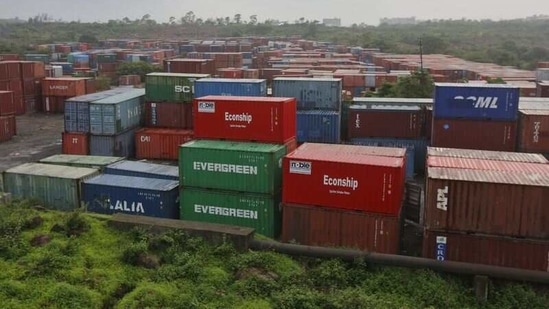
On March 2, preliminary data released by the ministry had hinted at an export contraction of 0.25% during the month.
Between April 2020 and February, merchandise exports contracted 12.23%, while merchandise imports fell 23.1% resulting in a trade deficit of $84.6 billion in the 11-month period.
In February, exports of petroleum products (-42%), gems and jewellery (-34%) and engineering goods (-8%) fell, while shipments of pharma products rose by around 16%.
Among major import items, petroleum (-16.6%) and transport equipment (-23%) fell, while import of gold (124%), electronic goods (38%) and chemicals (37.6%) were up significantly.
In February, the World Trade Organization said the decline in the volume of world trade in 2020 may be “slightly less severe” than its recent forecast of 9.2% due to strong performance of trade in the fourth quarter, while prospects for 2021 and beyond were uncertain as new variants of Covid-19 have appeared.
India’s merchandise trade had been weakening even before the pandemic hit the economy and external demand. Exports fell in 15 of the past 20 months starting June 2019. Since March 2020, exports and imports started declining in high double digits, even temporarily leading to a trade surplus in June for the first time in 18 years.
The Indian economy recovered in the December quarter to expand at 0.4% after two successive quarters of historic contraction induced by the coronavirus pandemic, signalling that Asia’s third-largest economy may be on the path of a slow but sustained recovery.
For fiscal year 2021, however, the government’s statistics office estimates a deeper contraction of 8% than the earlier estimate of 7.7% contraction.
The Organisation for Economic Co-operation and Development (OECD) on Tuesday projected Indian economy to bounce back to grow at 12.6% in FY22, the highest among G20 countries.


