
 E-Paper



Uber stock fall 4.8% as company plans $10 billion robotaxi push across 15 cities
Uber shares fall 4.8% as the company plans to invest over $10 billion in robotaxis, expand self-driving partnerships and target 15 cities this year.

 Prefer HTon Google


Uber shares fell after the company announced a major push into robotaxis. Uber said on Wednesday that it plans to spend more than $10 billion over the coming years to expand its robotaxi business.
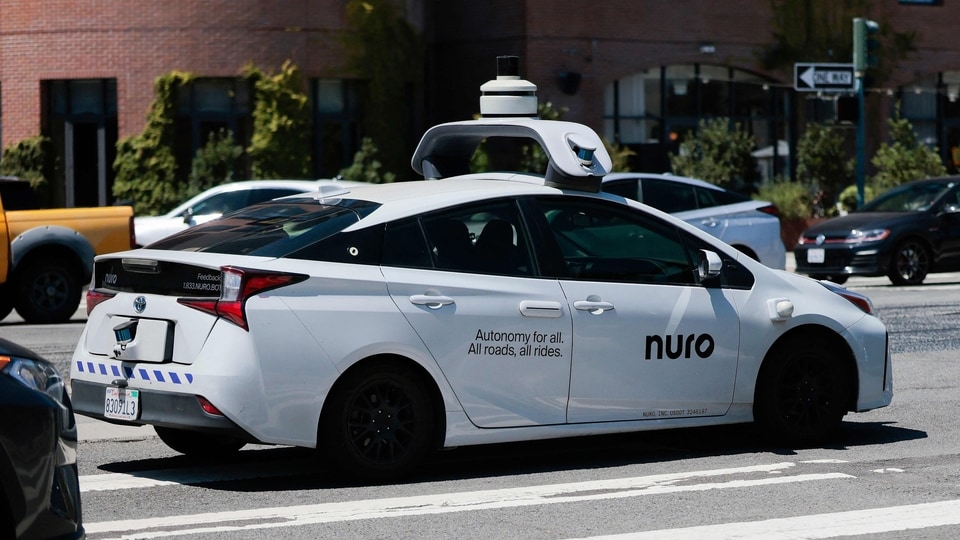
Uber shares dropped 4.8% after the company forecast third-quarter adjusted earnings per share of 84 cents to 88 cents. That was below the 89 cents analysts expected, according to LSEG data. The $10 billion will not mainly be spent on building Uber’s own robotaxis. Instead, Uber said much of the money will go toward equity investments in autonomous-driving companies, supporting vehicle fleets and helping partners with vehicle commitments.
Uber robotaxi plans target 15 cities
Uber is betting that its large customer base will give it an advantage. The company has more than 200 million customers, which Uber believes can help it connect robotaxi operators with riders at a much larger scale.
Uber expects to operate robotaxi services in at least 15 cities this year. The company is racing to expand autonomous rides as it competes with companies such as Alphabet's Waymo and Elon Musk's Tesla, according to Reuters.
Uber and Waymo partnership faces pressure
Waymo remains an important part of Uber's robotaxi strategy, despite tensions between the two companies. Khosrowshahi rejected reports that Waymo was considering ending its partnership with Uber. He said he expected the two companies to continue operating together in Austin and Atlanta while Uber also expands partnerships with other autonomous-driving companies, as reported by Reuters.
Uber expands self-driving car partnerships
Uber is not relying only on Waymo for its robotaxi ambitions. The company has been building partnerships with several autonomous vehicle developers, including Zoox, Rivian and Lucid. Uber has also been putting hundreds of its own sensor-equipped vehicles on the road to collect data for its autonomous-driving partners.
This is a big change from Uber's earlier asset-light business model. Uber historically avoided owning large vehicle fleets because drivers generally provided the cars. Its recent investments in vehicle fleets and stakes in autonomous-driving companies mean the company is taking on more financial responsibility as it enters the robotaxi business.
Uber robotaxis move closer to London
Uber is also making progress in the UK. Its UK autonomous-driving partner Wayve received permits from Transport for London to launch a commercial robotaxi service with a supervising driver inside the vehicle. Wayve could start offering rides in London within weeks. Wayve CEO Alex Kendall said the permit was a major step for autonomous vehicle technology in the UK and could allow Wayve and Uber to begin offering rides to London customers within weeks, according to The Financial Times.
Transport for London approved 15 modified Ford Mustang Mach-E vehicles for Wayve. These vehicles will be used as Wayve moves toward commercial autonomous rides in London. Uber's strong cash flow is giving it room to spend heavily on robotaxis. The company generated $2.8 billion in free cash flow in the second quarter, giving Uber more financial flexibility as it invests in autonomous vehicles and other growth opportunities.
Uber posts strong second-quarter bookings
Gross bookings reached $58.02 billion, above analysts' estimate of $57.06 billion. Adjusted core earnings also beat expectations. Gross bookings jumped 24% from a year earlier. Gross bookings measure the amount customers spend across Uber's businesses. The company said strong demand across regions and services helped drive the increase. Travel connected to the FIFA World Cup also supported demand during the quarter.
A $1.1 billion accounting impact affected Uber's revenue results. The company had previously disclosed a $1.1 billion accounting hit linked to changes in UK law, which contributed to the revenue miss. Uber's operating income was $1.9 billion. That result was slightly below expectations after the company set aside $141 million for a legal reserve.
Also read: AMD stock falls despite earnings beat: Why investors are still worried about AI growth and margins
Uber gives mixed third-quarter outlook
The company expects third-quarter gross bookings of $58.25 billion to $60.25 billion, compared with analysts' estimate of $59.21 billion. The forecast was broadly in line with expectations, according to Reuters. Uber expects third-quarter adjusted EBITDA of $2.86 billion to $2.96 billion. That forecast was also broadly in line with Wall Street expectations, although the adjusted earnings-per-share forecast came in slightly below estimates.
Uber faces investor questions over spending
Investors are now watching how Uber balances these large investments. Uber is spending billions on autonomous-driving partners while also pursuing the Delivery Hero deal. This makes the company's ability to generate cash and manage its balance sheet an important issue for investors.
Analysts say Uber's $10 billion robotaxi commitment is not unrealistic. Adam Ballantyne, senior analyst at Uber shareholder Cambiar Investors, said the $10 billion figure was in line with his expectations. He estimated Uber could need billions of dollars over the next four to five years to support autonomous-driving partners as they expand, as reported by Reuters.
Uber faces investor questions over spending
Uber's robotaxi push comes at a difficult time for its stock. Investors have worried that autonomous vehicles could eventually disrupt Uber's traditional ride-hailing business. Uber shares are already down about 13% in 2026, according to the Financial Times. Its latest investment plan shows that the company is doubling down on that strategy.
Uber's strategy is to work with several autonomous-driving companies, provide access to its large customer base and help support vehicle fleets. This could allow Uber to benefit from the robotaxi market without having to develop every self-driving system itself.
Uber's core business delivered strong bookings and cash flow, but the weaker-than-expected earnings outlook and the huge amount of money being committed to robotaxis raised concerns. That helped push the stock lower even after a solid second quarter. The company is now putting billions of dollars behind that belief, expanding partnerships, building fleet support and targeting at least 15 cities this year. The key question for investors is whether Uber can turn that large investment into a profitable autonomous-vehicle business while keeping its existing ride-hailing operation strong.


