E-Paper



ADAS Levels explained: What each level means and why it matters to the Indian buyer
ADAS is one of the most discussed topics in the current automotive landscape, having made their way from premium cars to entry-level offerings.

 Prefer HTon Google


Advanced Driver Assistance Systems, or ADAS, make it seem as if the future of driving is already here, but is it really and to what extent? ADAS features are one of the most discussed features in the current automotive landscape, having made their way from premium and luxury cars to mid-segment and even some entry-level offerings. While not all cars offer it as a standard feature, more and more companies are selling specific trims that include ADAS. To this effect, manufacturers are even updating their older models with new variants, such as the Tata Nexon, which was recently updated with Level 2 ADAS, or the upcoming generation of the Hyundai Venue, which will see its Level 1 suite upgraded to a Level 2. These include functions such as obstruction avoidance, pedestrian detection, and lane driving aids.
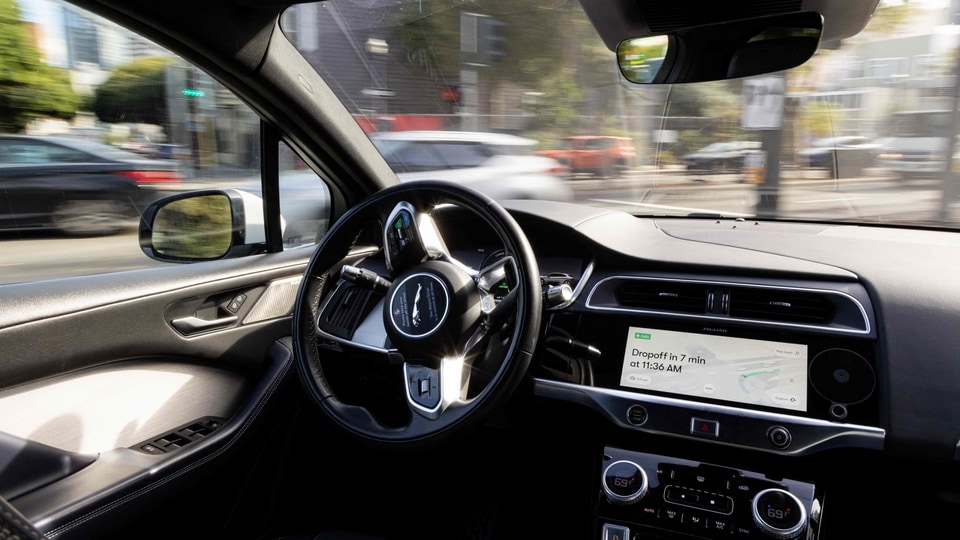
Such driver assistance features are gradually becoming mandatory criteria for achieving the top safety ratings from NCAP (New Car Assessment Programme) bodies. These are not only included in cars, but have also made their way into motorcycles, such as the recently launched Ultraviolette X47 Crossover with its Hypersense Radar. While most buyers know that ADAS helps improve safety through driver-assist features, what remains less clear is how these systems are categorised, and what the so-called “levels” actually mean.
The Society of Automotive Engineers (SAE) defines six distinct levels of driving automation, ranging from Level 0 to Level 5. Each level represents a progressive shift in how much responsibility a vehicle demands from its driver. Understanding these levels is crucial, especially as automakers increasingly use phrases such as “semi-autonomous” or “hands-free driving,” which can sometimes mislead and blur the line between assistance and actual automation.
Level 0: No Automation
At the most basic level, the driver remains entirely in control of the vehicle and is thereby completely responsible. Level 1 ADAS may provide warnings, such as forward collision alerts or lane departure warnings, but it cannot control the vehicle. Features such as cruise control, stability control, and blind spot warnings fall under this category.
Level 1: Driver Assistance
With Level 1 ADAS, the driver still needs to remain in full control, but the vehicle can assist in one aspect: either with steering or with acceleration and braking, but never both at the same time. Features such as adaptive cruise control or lane-keeping assist fall into this category.
(Also read: Next gen Hyundai Venue to get level 2 ADAS and dual 12.3 inch screens – Confirmed)
Level 2: Partial Automation
At this stage, your car can simultaneously steer, accelerate, and brake under specific conditions. Imagine lane centring and adaptive cruise control working together. However, the driver must continue monitoring the road and be ready to intervene at a moment’s notice. Most modern ADAS-equipped vehicles in India currently operate at this level.
Level 3: Conditional Automation
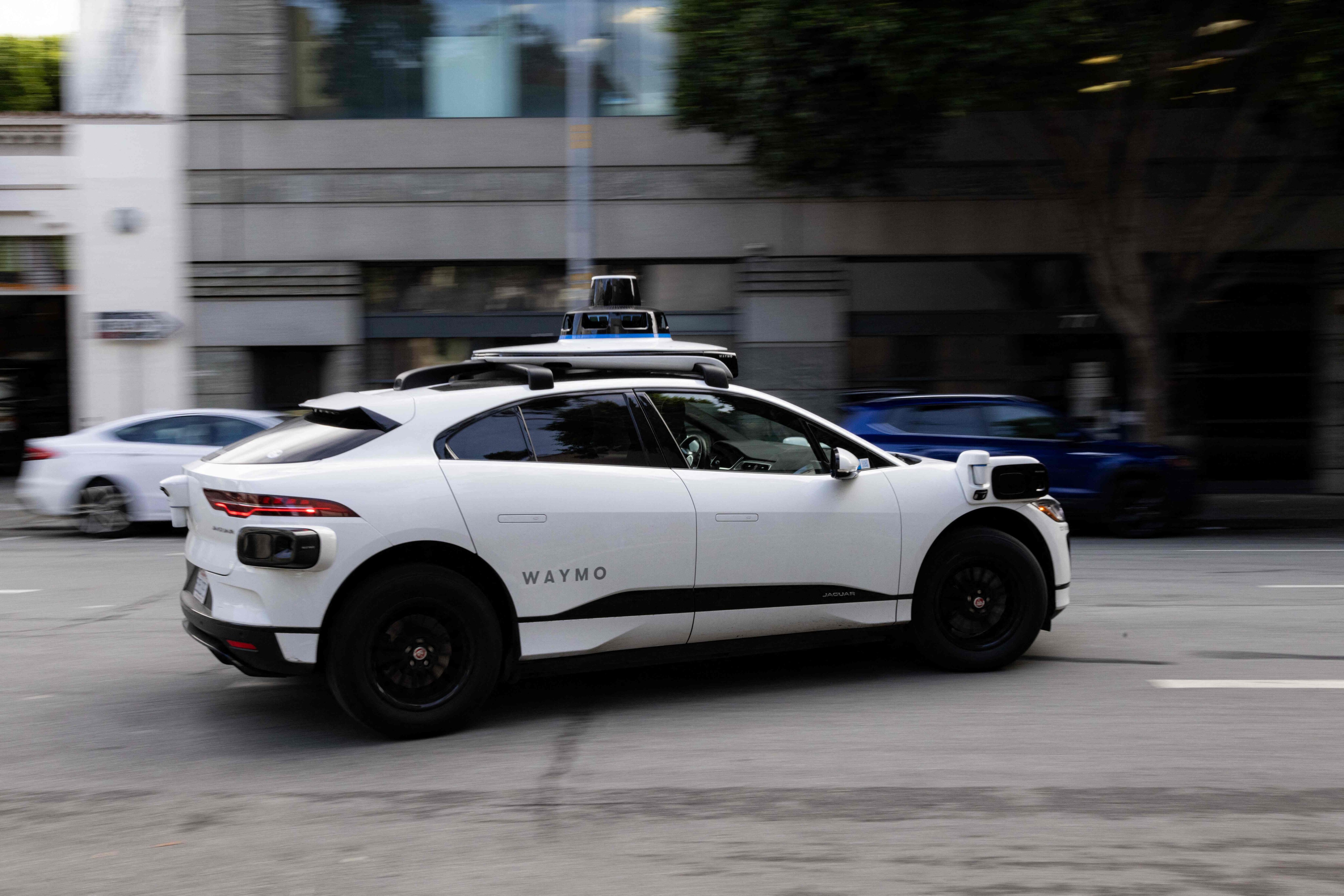
This is where automation begins to take a significant leap. A car with Level 3 ADAS can handle all driving functions within certain scenarios, such as highway cruising, allowing the driver to momentarily take their eyes off the road. This is tricky, as it requires the driver to intervene within split seconds. The transition between machine and human control makes Level 3 ADAS both complex and legally sensitive. Only a few vehicles globally currently operate at this level.
Level 4 and Level 5: High and Full Automation
Beyond Level 3 lies what we can now call fully autonomous vehicles. Level 4 ADAS cars can manage all driving tasks autonomously within predefined areas, such as cities or campuses. Robotaxi fleets such as Waymo operate at this stage.
Level 5, the ultimate goal, would eliminate the need for human control altogether, with no steering wheel, pedals, or driver intervention. However, no production vehicle has yet achieved full automation under all conditions.
(Also read: Ferrari Elettrica to debut in 2026 with over 1000 hp – Technical details revealed)
Why This Matters to Buyers
For Indian buyers evaluating ADAS-equipped cars, the takeaway is straightforward: most systems on sale, including those from Hyundai, Honda, Mahindra, and MG, are at Level 2. They can be convenient and improve safety but still rely on the driver’s constant supervision and control. Cars with Level 3 ADAS and above remain largely experimental and tightly regulated.