
 E-Paper



Amritsar traders grapple with losses due to zero imports from Pakistan
The increase in duty imposed on goods entering India through Attari integrated check post (ICP), the first land port set up to facilitate faster movement of the trade between India and Pakistan, was a punitive measure adopted by the Centre on February 16, two days after the Pulwama terror attack.


The economic fallout of the imposition of 200% customs duty on goods imported from Pakistan is a major issue many Amritsar traders are grappling with.
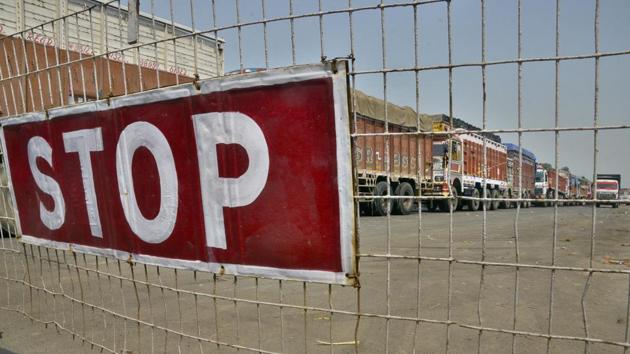
The increase in duty imposed on goods entering India through Attari integrated check post (ICP), the first land port set up to facilitate faster movement of the trade between India and Pakistan, was a punitive measure adopted by the Centre on February 16, two days after the Pulwama terror attack wherein more than 40 CRPF men were killed in Jammu and Kashmir. The decision resulted in closure of the import as the traders were unable to afford the exorbitant duty.
As per an estimate provided by the Confederation of International Chambers of Commerce and Industries, the closure of the import has rendered more than 5,000 people jobless, including 1,600 porters and labourers working at the ICP for loading and unloading of goods, over 2,000 drivers and cleaners for 1,000 trucks operating at the border for the transportation of goods along with clearing-house agents and others employed at the check post.
Ashok Sethi, director of the confederation, said the economic impact can be gauged by the fact that the increase in customs duty has dealt a serious blow to the economy of the city as a whole and for Punjab, which was reaping benefits of this big-ticket business with Pakistan.
“The second biggest import was of cement, about ten lakh bags per month valued at Rs 300 crores annually. The other imported items included lime stones, bauxite, dry dates and chemicals,” Sethi said.
“The Indo-Pak trade, especially the import component, was resulting in the income generation to the extent of Rs 15 to Rs 20 crore monthly to the city traders through this ICP before this complete and sudden stoppage of import from Pakistan,” he added.
“It is imperative for the country not to allow trade ties to become hostage to hostilities as it is important to build up people-to-people contact through this confidence-building measures so that the holy city’s economic situation gallops back to its old glory,” Sethi said.
Rajdeep Uppal, another trader and a senior functionary of the confederation, said Rs 2,500-crore plus annual trade with Pakistan has been greatly affected by this duty raise and resulted in huge unemployment among the border rural youth.
A leading clearing-house agent based here, Dalip Singh, said the trade through ICP was generating employment in the city, but now has rendered many jobless.
He said after the imposition of 200% duty, more than two lakh bags of cement, along with goods worth several crores including dry dates, have not been lifted. “These have now been completely damaged, causing a huge loss to the importers,” Uppal added.
An importer, Pardeep Sehgal, pointed out that all Pakistan textile associations have requested their government to impose similar duty on Indian exports, including yarn, laces, herbs, spices, dyes, chemicals and other non-traditional items as a reciprocal step.
He said this hasty and punitive duty levied on Pakistani goods has hit the economy of the city badly, while rendering huge labour force jobless.
He urged the government to take a holistic view of the economic growth of the country and allow trade ties with Pakistan to flourish in order to ensure growth that will eventually lead to the benefit of the people.


