
 E-Paper



By the way: A lungful of petrichor, please!
Summer rain and City Beautiful have quite a stereotypical romantic relationship. Like a deeply besotted couple, they love to fight and not even talk for weeks, and then make up with overly cheesy conversations and late-night dates that never seem to end. This rainy season in Chandigarh has begun much like that.


Summer rain and City Beautiful have quite a stereotypical romantic relationship. Like a deeply besotted couple, they love to fight and not even talk for weeks, and then make up with overly cheesy conversations and late-night dates that never seem to end. This rainy season in Chandigarh has begun much like that.
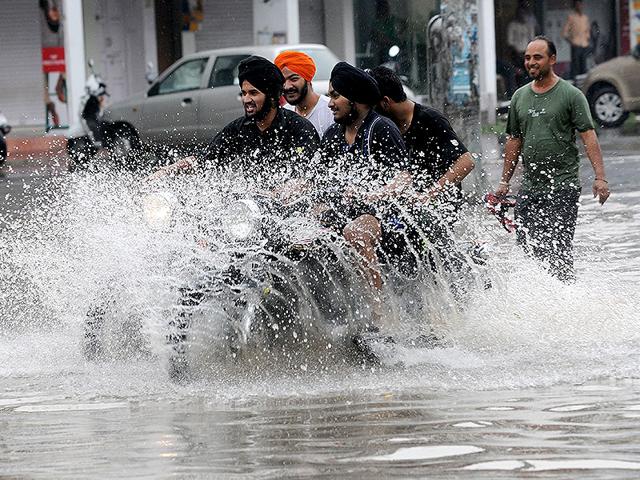
After an extremely heated affair that was the summer, the stray pre-monsoon sprays barely tackled the humidity. Then, rain played hard-to-get for several weeks, before finally showering its love in the past couple of days. In those couple of days, though, you just wished rain would, at some point, conclude its excessive PDA with its beloved city; or if only love and all its forms were some tap that one could just turn off.
Rain does have a mind of its own, not knowing when to not visit, when to stop, when to slow down, or when to pour like there’s no tomorrow. And, in our nightmarishly regimented suburban lives, which have more potholes than paper-boats, we have further turned rain into an unforgiving, moody character, like a spurned uncle in a pointlessly grim novel.
The pristine water that falls from the sky should, ideally, make us feel alive to the tenderness of our own skin, like a lover’s caress. But, after a point, the downpour is something we despise, for it halts all our pursuits to avoid encountering life as a human experience, not as some corporate warfare defined by computerised perfection.
We curse the municipal authorities for all the clogging and waterlogging, while some people even find the city’s well-washed beauty painful to the eyes after a downpour. In the same breath we reserve a complaint for the rain gods. As if Indra is some elected mayor ignoring the middle-class majority to pander to a parched vote-bank minority! Curse the bureaucrats and politicians, by all means. Gods be cursed too. Yet, see rain for what it is — unforgiving at times, moody indeed, even vengeful towards those who disrupt and disrespect it, but humbling and kind in its spirit.
It sure disrupts the traffic flow, as manicured roundabouts turn into disorienting whirlpools for a while even in prim-and-proper Chandigarh. The helplessness until the rain stops and the water drains can be torturous. But it’s this helplessness amid the cats and dogs that makes us human, and pulls us into huddles under a tree or a bus shelter, waiting for the skies to clear, discussing weather and real estate prices as our favourite pastimes. In those moments, amid all the chaos and cursing, rain ignites a sense of community that is becoming increasingly rare as the city grows bigger and shallower.
I remember a night in 2005. It was past midnight when my bike broke down in the Sector-19 roundabout-cumwhirlpool. The rain was incessant, non-negotiable. It all seemed grim at first. Then my next two hours were spent pleasantly chatting away with labourers and rickshaw-pullers, invisible people who set up their homes every night in the market corridors, only to be homeless again the next day. As Altaf Raja sang ‘Tum toh thehre pardesi’ in the background, one of my temporary friends fixed my bike, another made chai, and yet another recalled his adventures in the rain when he was a child in a village bordering Nepal. Melancholy, nostalgia and new friendship, when mixed, are intoxicating. Or maybe the scent of rain is to blame for all that tearful laughter.
Petrichor is the name of that scent, the heavenly smell of rain on dry earth. Wikipedia says the word is constructed from Greek, ‘petra’, meaning ‘stone’, and ‘ichor’, the fluid that flows in the veins of the gods. Has someone already thought of turning it into a car perfume? I’m buying it, as soon as this rain stops and the traffic eases up.


