
 E-Paper



Oyster mushrooms to give a fillip to Lahaul-Spiti economy
The spatula-shaped mushrooms sell for Rs250-Rs300 per kg


Cultivation of pearl oyster mushrooms, also known as Dhingri mushrooms (Pleurotus ostreatus), is likely to boost the economy of the tribal district of Lahaul And Spiti.
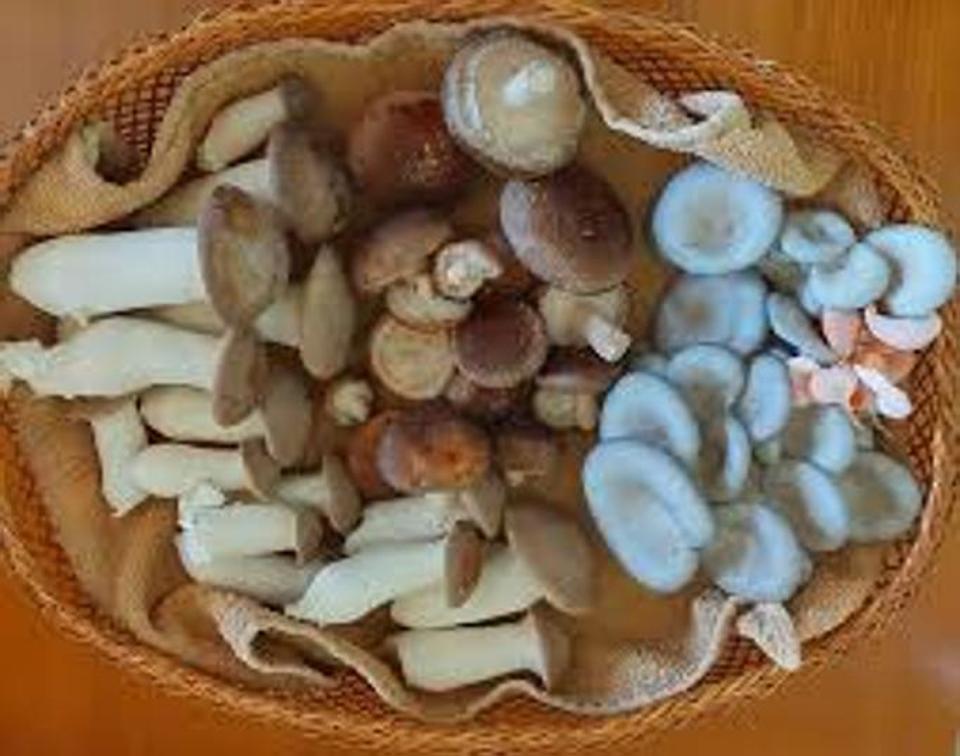
The region is famous for pea cultivation and now the farmers have started growing the spatula-shaped mushrooms to supplement their income, says Kalzag Ladde of Chichim village in Spiti.
The mushrooms were first cultivated in 2015 and now the activity is being supported by the horticulture department.
50 FARMERS TRAINED SO FAR
Specialists are apprising farmers of the technique to grow mushrooms.
Ladde produces approximately 150 kg oyster mushroom and supplies them to local hoteliers and Home Stays in Kaza for Rs 250- Rs 300 per kg.
So far, 50 farmers have been trained in mushroom cultivation. They have also been provided with bags of mushroom spawn, which are to be incubated at room temperature.
The mushrooms can be used in pickles, powder and medicines. Their cultivation has also provided women with a direct source of employment.
HIGHLY NUTRITIOUS
The oyster mushroom is ideal for producing protein-rich food from agro-waste without composting.
The mushrooms are rich in Vitamins C and B complex, and their protein content varies between 1.6% and 2.5%. It has most mineral salts required by humans such as potassium, sodium, phosphorus, iron and calcium.
It also has antibiotic properties and reduces the bad cholesterol. They can be safely consumed by diabetics too.
GROWN IN SUB-TROPICAL MOUNTANIOUS REGIONS
The oyster mushroom is grown in subtropical mountain regions with temperatures ranging from 10°C to 24°C and relative humidity between 55-75% for a period of six to eight months.
Clean paddy straw is soaked in water for 18 hours and mixed with a bottle of master spawn and horsegram powder. The mixture is filled into polyethylene bags and kept at room temperature. The compact mass is watered regularly until the mushrooms start growing.
Spiti, the abode of Buddhist monks, and a popular tourists destination, is known all over the globe for its age-old Buddhists monasteries, scenic splendour and snow covered peaks, and it is now ready to make its mark in production and export of oyster mushrooms to other parts of the country.


