
 E-Paper



100th train carrying migrants departs from Ludhiana railway station
Till date, more than 1.35 lakh migrants, including around 1.20 lakh adults and 15,000 children, have left for Uttar Pradesh, Bihar, Madhya Pradesh, Manipur, Andhra Pradesh, Jharkhand and Chhattisgarh on special Shramik trains from Punjab.


The 100th train carrying migrants in Punjab to their home states departed from the Ludhiana railway station on Thursday. Till date, more than 1.35 lakh migrants, including around 1.20 lakh adults and 15,000 children, have left for Uttar Pradesh, Bihar, Madhya Pradesh, Manipur, Andhra Pradesh, Jharkhand and Chhattisgarh on special Shramik trains from Punjab.
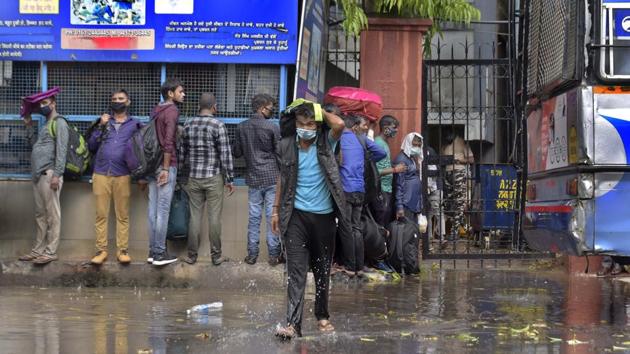
The first train carrying migrants had departed from Jalandhar on May 5. A total of seven special trains took 8,400 labourers to their native places on Thursday.
Mau (Uttar Pradesh) bound train that departed from Railway Station Ludhiana today was the 100th train from Punjab and 39th from Ludhiana.
In a press statement, Vikas Pratap, principal secretary, public works department (building and roads), who is also the state nodal officer for coordination with the railways, informed that the trains are departing from Ludhiana, Jalandhar, Patiala, Ajitgarh (Mohali), Amritsar, Ferozepur, Sirhand and Bathinda on a daily basis and each train carries around 1,200 migrants.
He further added that the Punjab government is paying for travel, food, water and pickup service from designated points. He also said that medical screening of all passengers is being done and medical certificates are being issued to the labourers before boarding.
Ludhiana deputy commissioner Pradeep Kumar Agrawal said to increase credibility, the district administration is putting a barcode on the medical slip, which is being issued to the passengers. The barcode is scanned when the passenger reaches Guru Nanak Stadium for screening and getting tickets.
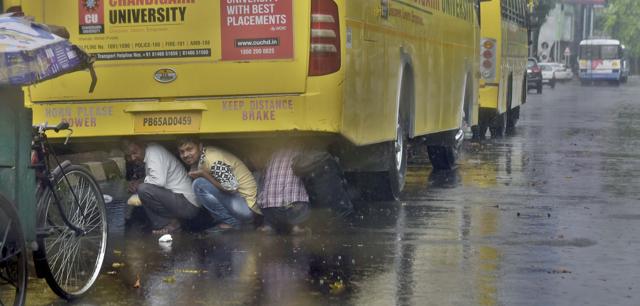
Meanwhile, rain added to the woes of the migrants undergoing mandatory screening at Guru Nanak Stadium, with many of them seen taking shelter underneath buses to avoid being drenched.


